

What black tie, cocktail and smart casual mean, and how to choose the right outfit for the event and venue
The dress code on an invitation is no mere whim but a language: it tells you what atmosphere awaits and how formal the evening will be. At an elegant event, the right outfit begins with understanding that code — from black tie to cocktail or smart casual — and adapting it to the type of event, the venue and the season.
We have put together a clear guide to dress codes, with concrete examples, so you will always know what to wear. It opens our Art of Events section, devoted to elegance and event etiquette.
A dress code is the host's way of signalling how formal an event will be. It brings guests' outfits into harmony, so that no one feels either overdressed or too casual. For the host, a clear dress code sets the tone; for guests, it removes the uncertainty of standing in front of the wardrobe.
A dress code should always be read in context: the same wording may mean something more relaxed at a daytime garden event and something more exacting at an evening gala. That is why, beyond the term itself, the time, the venue and the type of event all matter.
Sometimes an invitation doesn't spell out a dress code, and you have to work it out for yourself. A few clues can help:
If you're still unsure, ask the host or organiser. It's a natural, much-appreciated gesture, and it spares you needless agonising in front of the wardrobe.
From the most formal to the most relaxed, these are the dress codes you'll come across most often:


White tie is the pinnacle of elegance and the rarest dress code of all — reserved for galas, state ceremonies and the grandest balls. For gentlemen, it means a black tailcoat, a white waistcoat, a stiff-fronted wing-collar shirt, a white piqué bow tie and patent leather shoes. For ladies, a full-length ball gown, usually complemented by long gloves and statement jewellery.
The rule is simple: white tie leaves no room for improvisation. It is the only dress code more formal than black tie and calls for strict adherence to etiquette. If the invitation says "white tie", leave the dinner jacket at home — a tailcoat is required. It is the code that suits a setting to match, such as the salons of a historic palace.
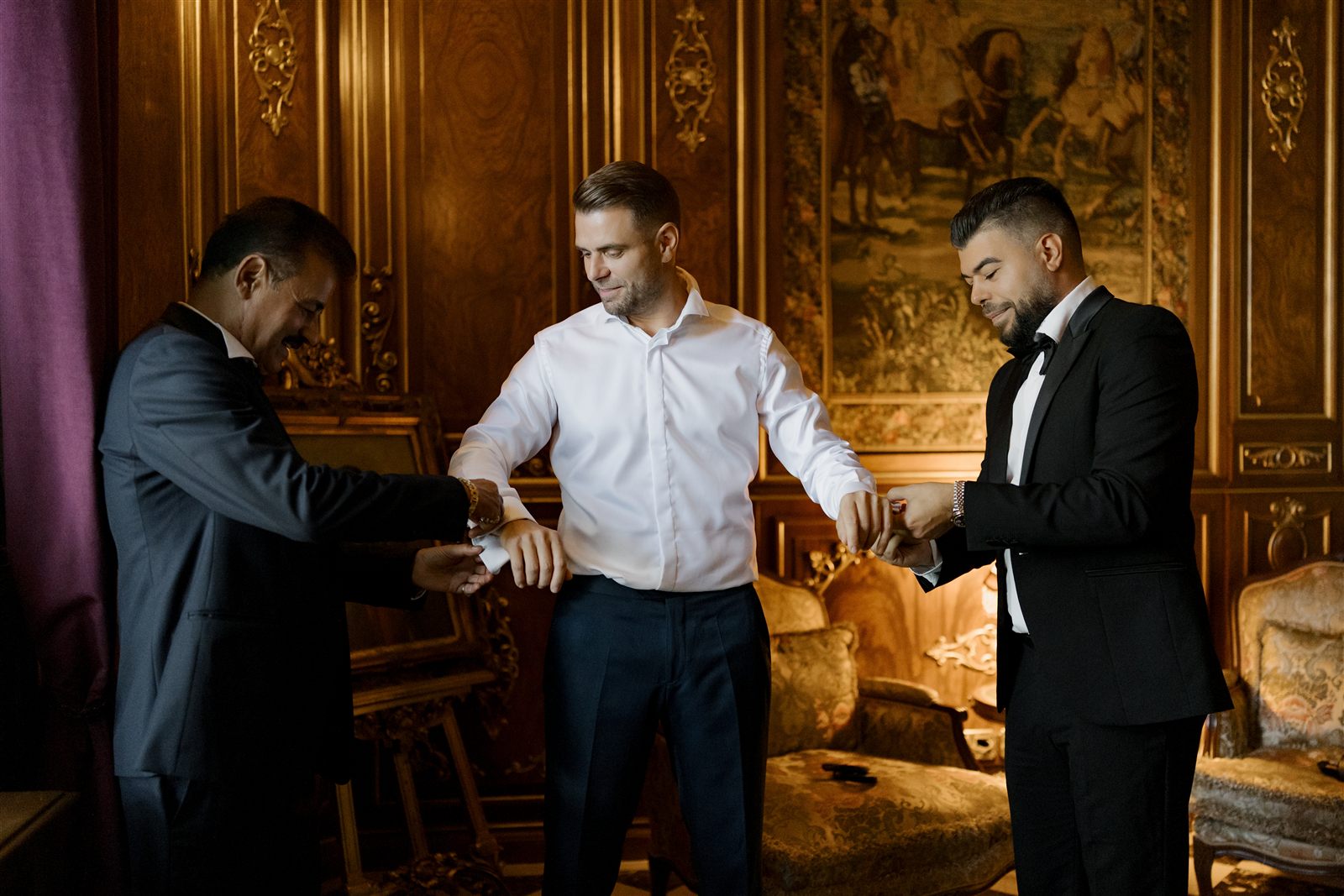
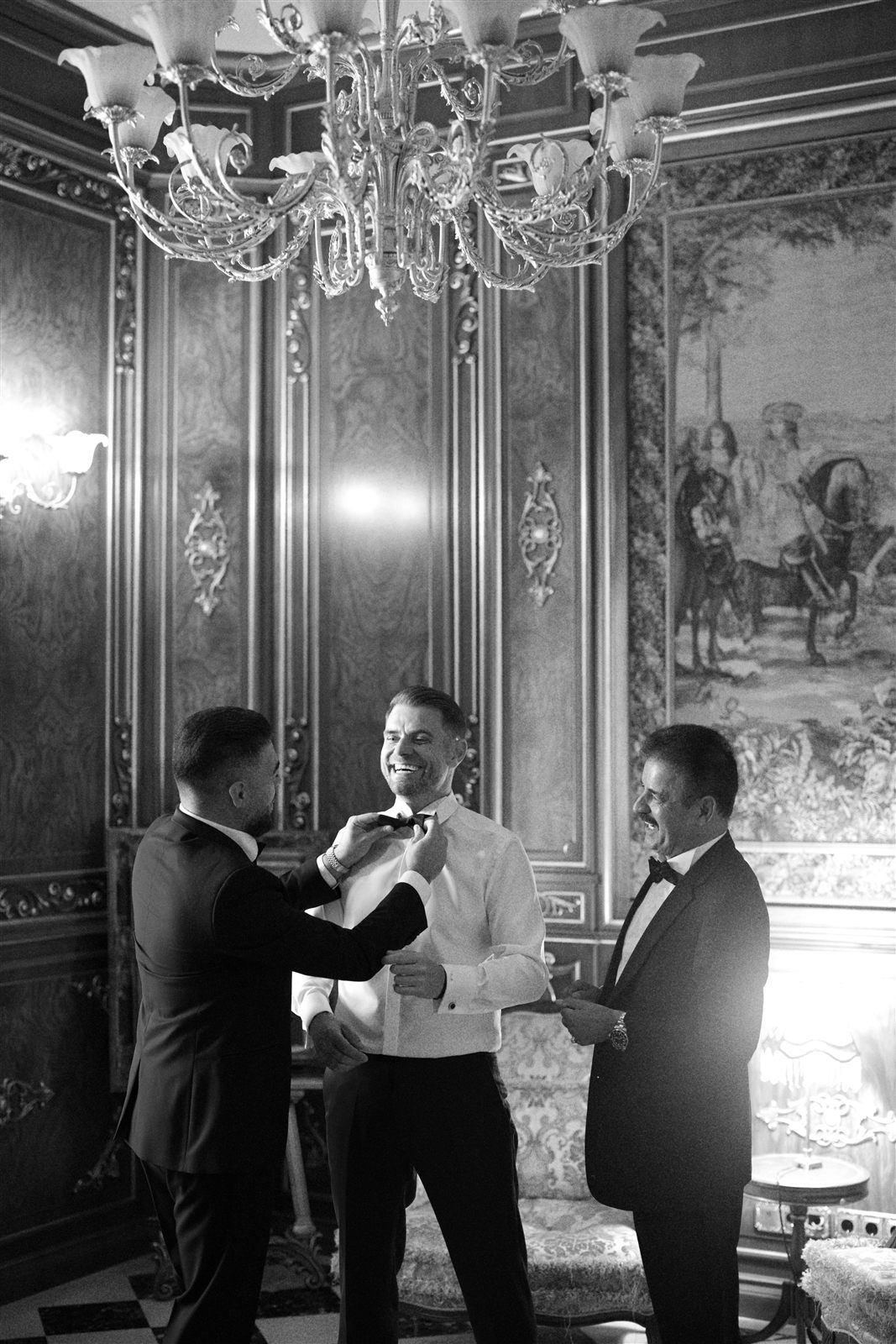
Black tie is the dress code for elegant evening events. For gentlemen, it means a black or midnight-blue dinner jacket, white shirt, bow tie and smart dress shoes. For ladies, a floor-length evening gown or a refined cocktail dress, with understated accessories and carefully chosen jewellery.
A few pointers: dark colours and fine fabrics are always a safe choice; avoid daywear, denim or trainers. If the invitation says “black tie optional”, an impeccable navy or charcoal suit is perfectly acceptable.
What elevates a black tie outfit is the tailoring: the dinner jacket should fit perfectly, with satin or grosgrain lapels, discreet cufflinks and a slim watch. For ladies, a long gown in a deep colour, paired with a single statement piece of jewellery, never fails. Avoid loud colours and excessive accessories — at black tie, less is more. The difference from white tie: black tie calls for a dinner jacket and black bow tie, white tie for a tailcoat and white bow tie.




The cocktail dress code is the one you'll most often meet at private parties, birthdays and receptions. It is elegant, but less formal than black tie. Gentlemen wear a well-tailored suit (with or without a tie), while ladies opt for a cocktail dress, usually knee-length, paired with heels and refined accessories.
This is where you can show some personality: a bolder colour, a statement accessory, an interesting texture. The key is to strike a balance between elegance and comfort — you'll be standing, dancing and mingling.
For ladies, a little black cocktail dress remains the safe choice, easy to accessorise differently from one event to the next. For gentlemen, a navy or grey suit, a white shirt and well-kept shoes will see you through almost any party of this kind. Add a pocket square or a striking pair of earrings and the outfit instantly gains character.


Smart casual, or „elegant attire", is the most flexible dress code — and, for that very reason, the most often misread. It doesn't mean relaxed; it means polished without being black tie. For gentlemen: smart trousers with a shirt or an unstructured jacket, no tie. For ladies: a refined day dress, a skirt or trousers paired with an elegant blouse, and simple accessories.
A practical tip: start with one impeccable „anchor" piece — a well-cut jacket, a quality dress — and build the rest of the outfit around it with understated accessories. Fabric matters as much as cut: a fine material instantly elevates a simple look.
The golden rule: when in doubt, dress slightly smarter than you think is needed. It is always better to be a little overdressed than underdressed at an event.


A themed event calls for an outfit that steps into the story yet stays elegant — not a fancy-dress costume. The secret lies in a refined reinterpretation of the theme, using quality pieces. At Palatul Noblesse, the setting of an 1881 historic monument, with its stuccowork and chandeliers, has already hosted evenings like these and lends itself naturally to any concept. Here are a few themes and how to dress for each:
Whatever the theme, rely on a single key piece that tells the story (the mask, the fringed dress, the tweed suit) and keep the rest of your outfit coherent and polished.
The dress code depends on the occasion:
For inspiration, take a look at our 18th birthday guide or our article on birthday parties.


The venue changes everything. A historic palace, with its salons, chandeliers and marble floors, calls for more elegant attire and finer fabrics. A daytime event in the garden allows for lighter colours and more practical heels (avoid stilettos on grass). An evening occasion usually calls for an extra touch of formality.
The season matters just as much: flowing fabrics and bright colours in summer, rich textures (velvet, fine wool) and deep tones in winter. And in the salons of Palatul Noblesse, the setting of an 1881 monument naturally raises the sartorial bar.




A few common pitfalls, whatever the dress code:
One final tip: prepare your outfit in advance, try it on in full with accessories and shoes, and check the details (hems, buttons, marks). An outfit that is immaculate in its details conveys more elegance than an expensive but careless one.
In essence, a successful outfit respects the hosts, suits the setting and lets you feel at ease all evening.
An 1881 monument in Bucharest’s historic centre, with elegant salons and exclusive use throughout your event. Tell us what you’re planning and we’ll create the right proposal.
Tell us more about your event and our team will be in touch shortly.
Request a Tailored Quote