
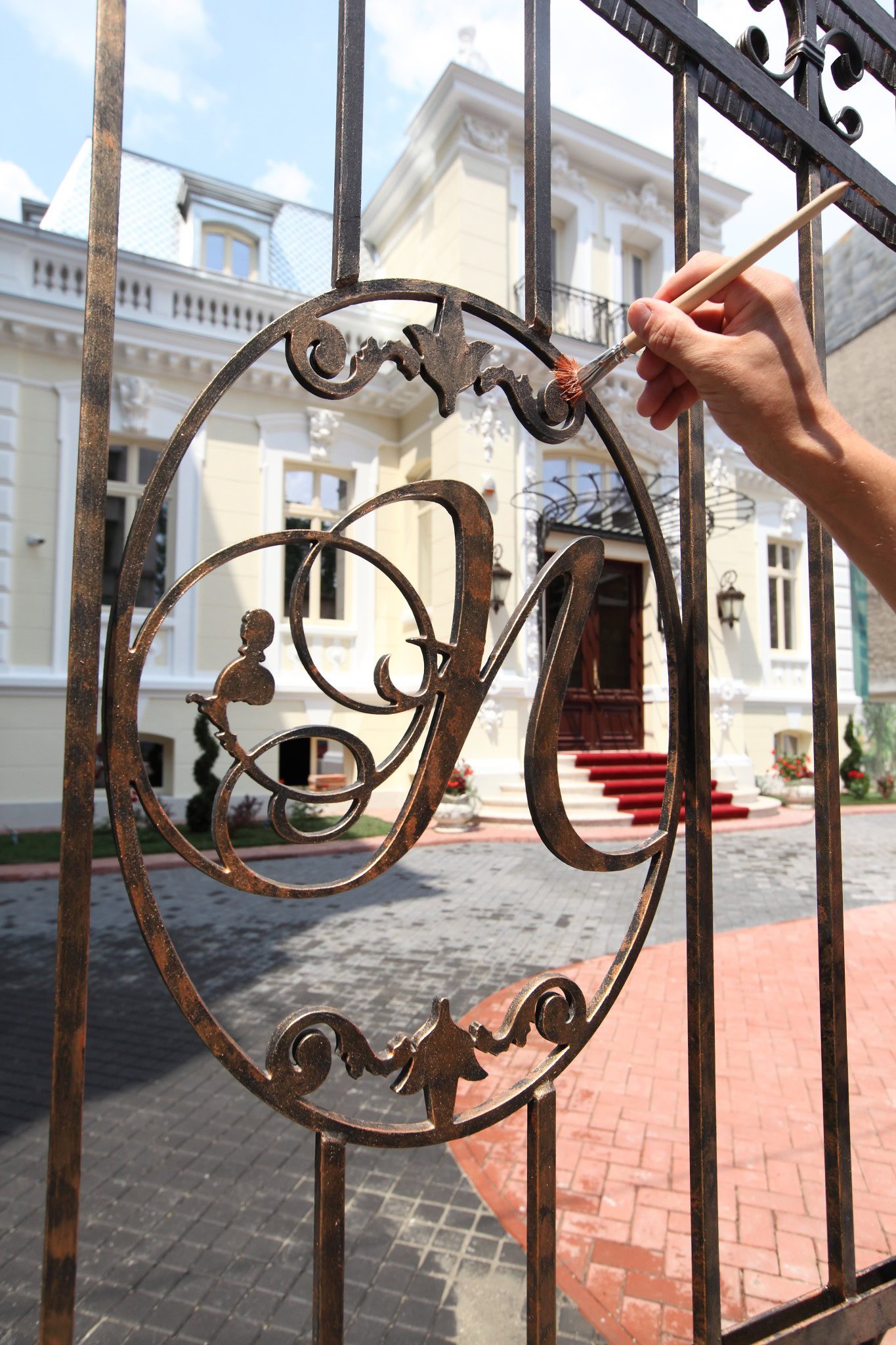
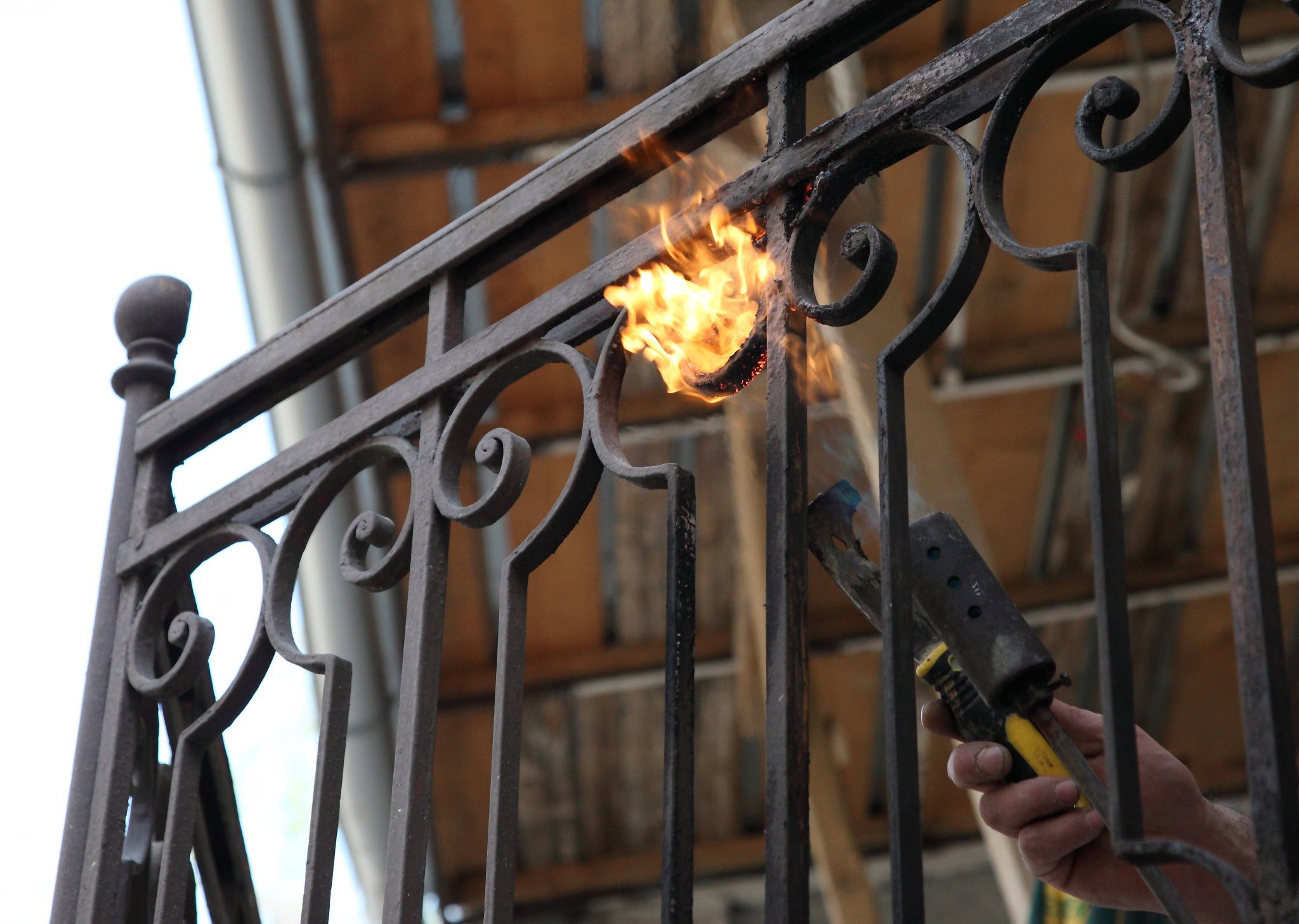
The wrought iron at Palatul Noblesse impresses with its refined detail and artistic craftsmanship, highlighting the elegance of classical architecture in a unique setting.
In the heart of Bucharest, where Strada Sfinților meets Calea Moșilor, stands the proud Palatul Noblesse, a historic monument that marries the refinement of eclectic architecture with the modern spirit of contemporary design. Built in 1881 by the architect Alexandru Săvulescu, the building is a model of impeccable restoration, in which wrought iron plays a key part in the noble aesthetic of the space.
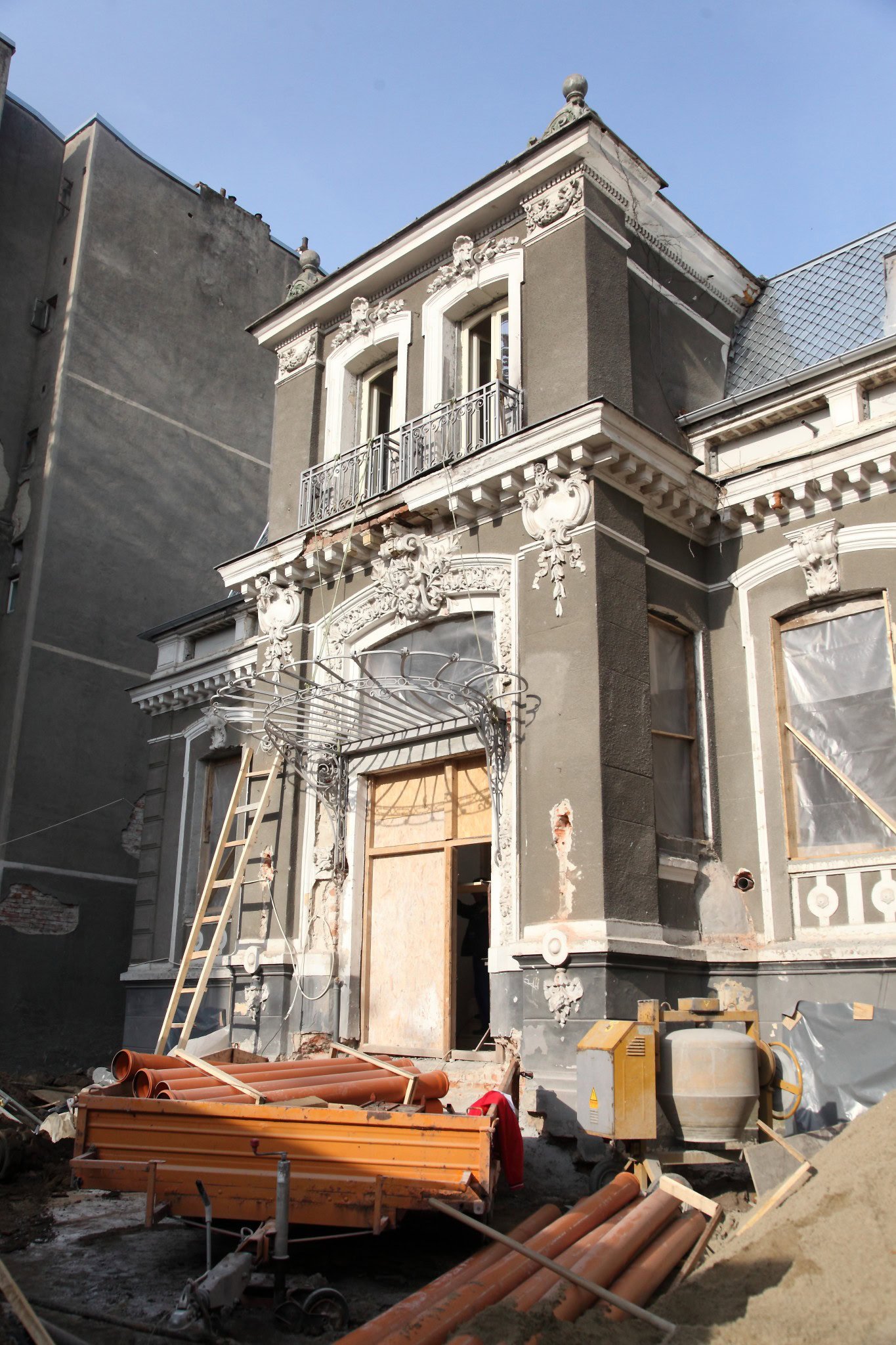
From the imposing pergola at the entrance to the balconies with their hand-patinated balustrades, wrought iron is present in every corner of the palace. It is not merely a functional material but an artistic detail that lends visual depth and nobility to the architecture. In the Belle Époque, such elements were seen as symbols of refinement, and Palatul Noblesse honours them in their original form, lovingly restored.
The interior balustrades, designed especially for the marble staircases, were crafted by artisans who specialise in historic monuments. Their graceful curves and floral motifs recall the palaces of Europe, while the hand patina brings authenticity and warmth to the space.
The restoration of Palatul Noblesse was carried out by Noblesse Group, the company founded by the Preda family, which has its headquarters within this very building. The project involved not only aesthetic restoration but also structural reinforcement, functional adaptation and the architectural revival of the space.
With an in-house team of architects, designers and project managers, Noblesse Group transformed this abandoned building into a living heritage landmark and a centre of excellence for the creative industries. The restoration respected the house's original style, complementing it with carefully chosen contemporary details.
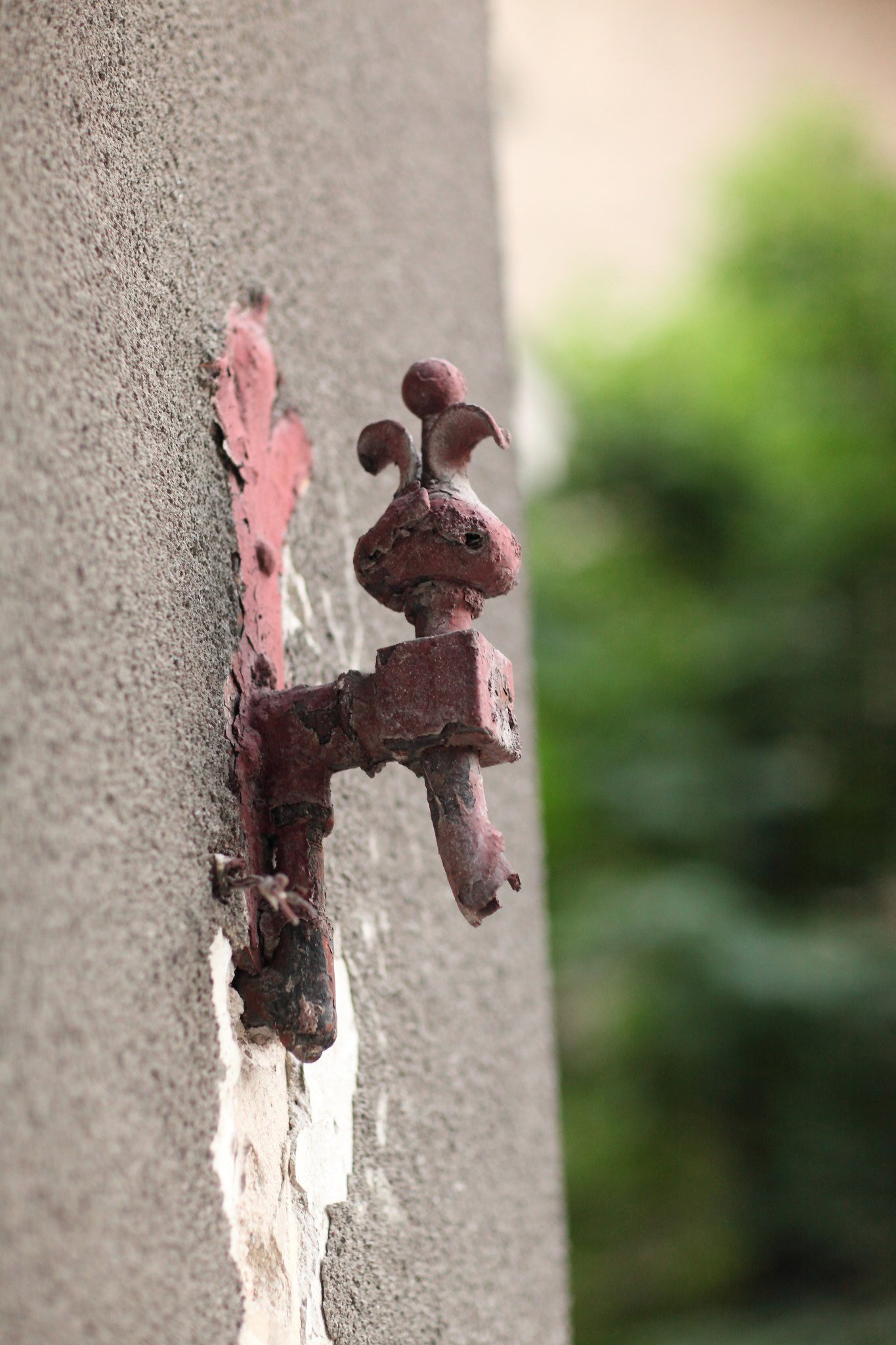
In the 600 m² garden of Palatul Noblesse, the Parisian-style wrought-iron lanterns are more than sources of light – they set the tone of the atmosphere. Placed along the paths and among the greenery, these lamps create a play of warm shadows, evoking the aristocratic gardens of France.
Their ornamental design – elegant curves, floral details and patinated frames – harmonises with the garden’s romantic spirit. In the evening, the space becomes a magical setting, perfect for cultural events, receptions or moments of open-air inspiration. In this urban oasis, wrought iron becomes the link between nature, architecture and emotion.
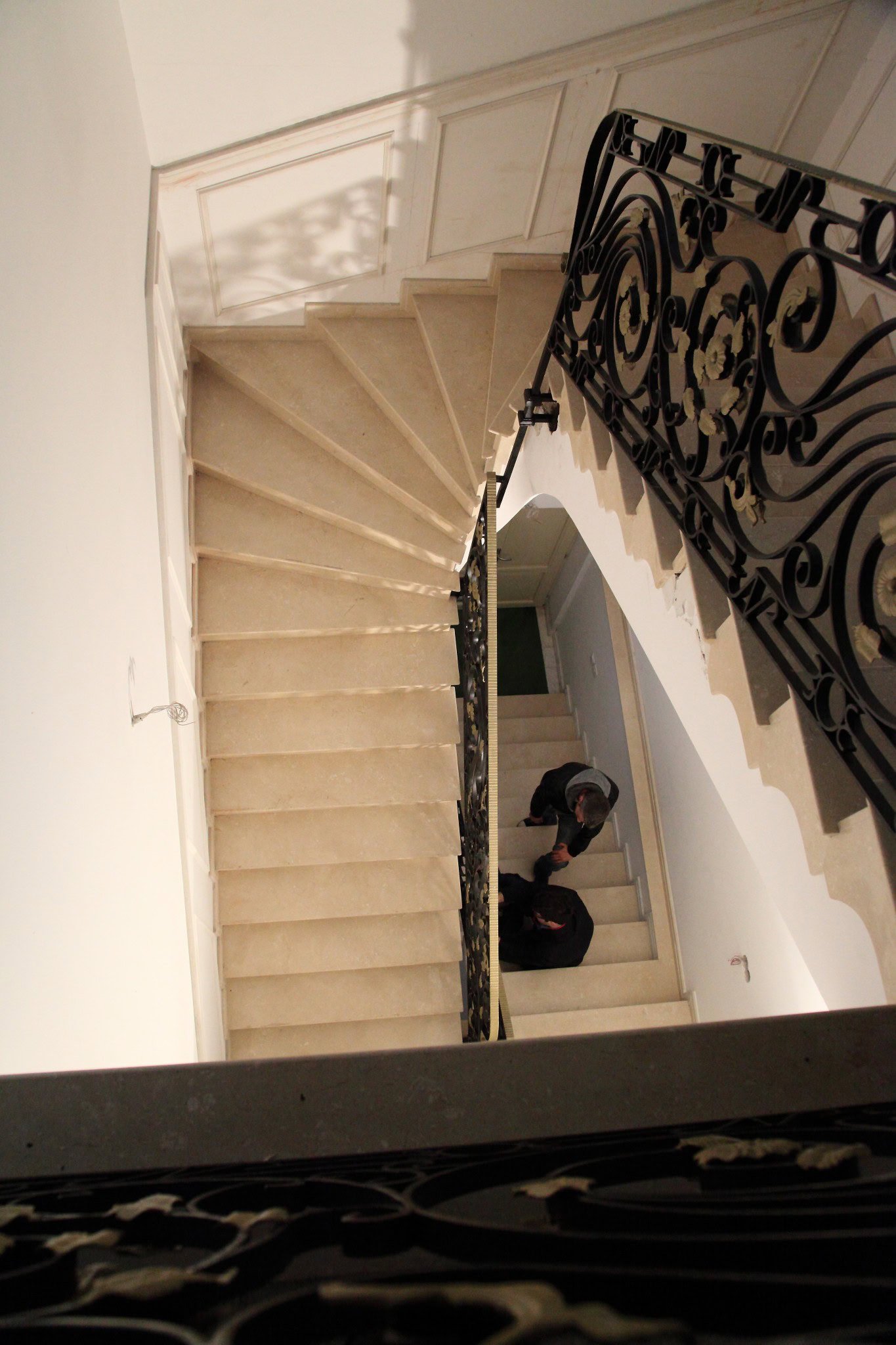
Inside, spiral staircases with hand-wrought iron balustrades continue the story of refined elegance that defines Palatul Noblesse. These staircases are not merely functional; they are a true statement of style – a bridge between floors and eras, between utility and art. Built on a solid metal structure and meticulously clad in precious marble in noble shades of white, grey and ivory, they preserve the fluid rhythm of movement through the building, guiding visitors on a scenic journey through the palace's noble world.
Each step catches the light of the chandeliers with a particular delicacy, while the wrought-iron balustrades, shaped by hand by skilled artisans, are drawn with an almost lyrical finesse: a symphony of scrolls, leaves and floral motifs inspired by nature yet anchored in the aesthetic tradition of the Beaux-Arts style. At the same time, a subtle hand-applied patina lends volume and depth, turning these pieces into functional sculptures that speak of craftsmanship, time and beauty.
The balustrades are not simple safety barriers but visual expressions of the Noblesse philosophy, in which every detail has meaning, character and aesthetic continuity. Here, the functional becomes poetic, and moving from one level to the next takes on an almost ceremonial quality, like a carefully staged choreography.
Whether you are going up or down, it feels like stepping into a painting in motion, where every step is accompanied by the noble textures of marble, the discreet gleam of wrought metal and the solemn calm of an architecture that honours the past and inspires the present.
Today, Palatul Noblesse is a fine example of architectural revitalisation and a multifunctional space devoted to art, design and culture. It is a place where wrought iron becomes a visual language, an artistic signature that carries the imprint of a glorious past, reinterpreted through a coherent, contemporary vision.
Every lantern, balustrade and pergola tells a story of passion, restoration and excellence. Palatul Noblesse is not merely a monument saved: it is a living experience and a landmark of elegance in today’s Bucharest.
Tell us more about your event and our team will be in touch shortly.
Request a Tailored Quote