
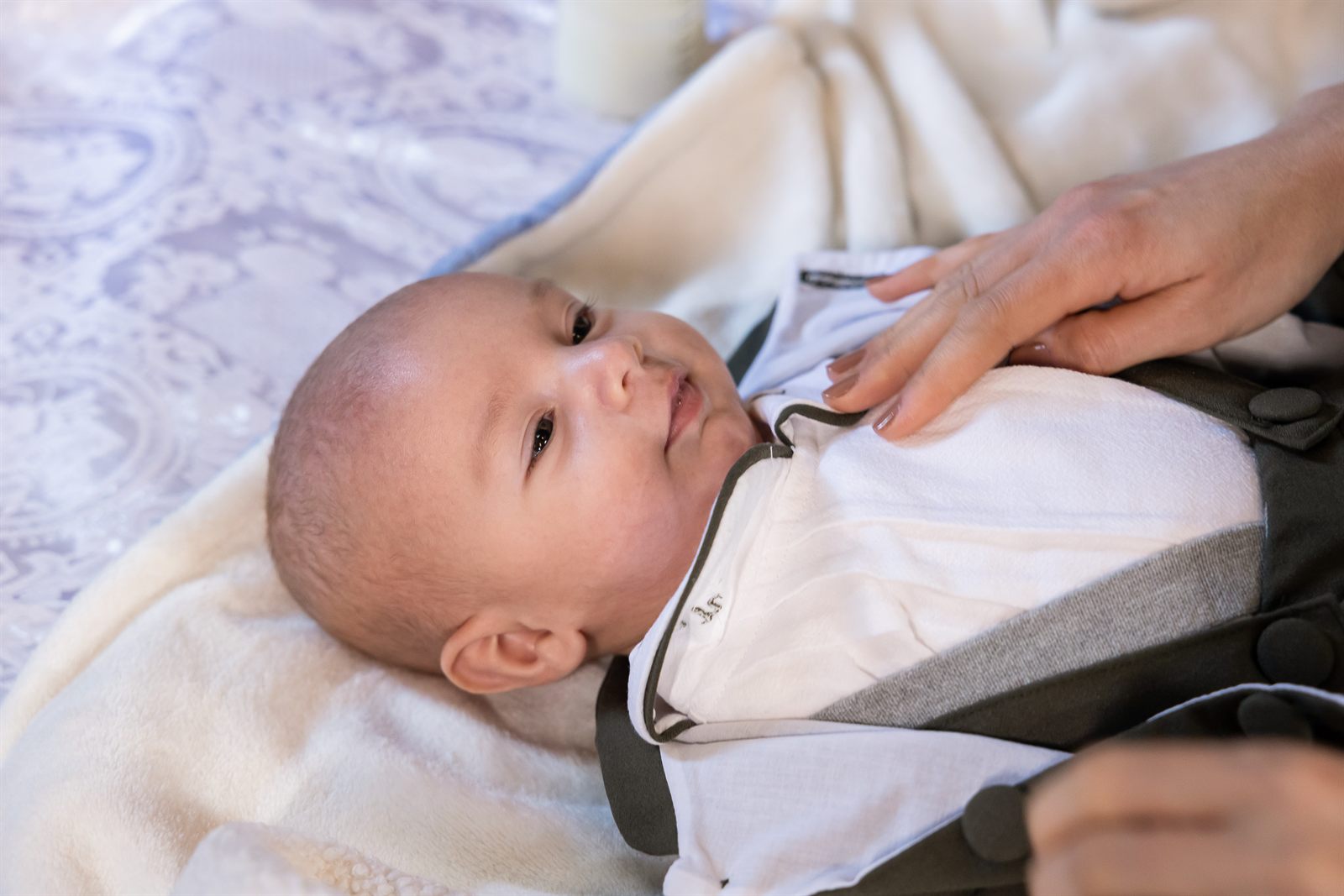
Romanian Orthodox christening traditions: the godparents' role, the ritual bath, the first haircut, the christening cake and gifts. How customs blend with an elegant christening party.
A Romanian Orthodox christening is one of the most beautiful and meaningful celebrations in a family's life. Beyond the religious service, a christening brings with it a whole world of traditions and customs handed down from generation to generation — from choosing the godparents and the ritual bath to the first haircut and the celebration that follows. In this guide, you'll discover the main Romanian Orthodox christening traditions and how they blend today with an elegant celebration at a prestigious venue.
In the Orthodox faith, baptism is the first of the Holy Sacraments and marks the child's entry into the Christian community. Through christening, the little one receives a Christian name, a patron saint and, symbolically, a new spiritual birth. For Romanian families, the christening day is not only a religious occasion but also a heartfelt celebration, bringing together relatives, friends and loved ones to celebrate the child's arrival in the world.
Tradition holds that the christening usually takes place in the first months of life, and preparations begin well in advance: choosing the church, the godparents, the christening outfit and the venue for the celebration. Each of these decisions carries age-old customs, as well as modern touches suited to every family's style.
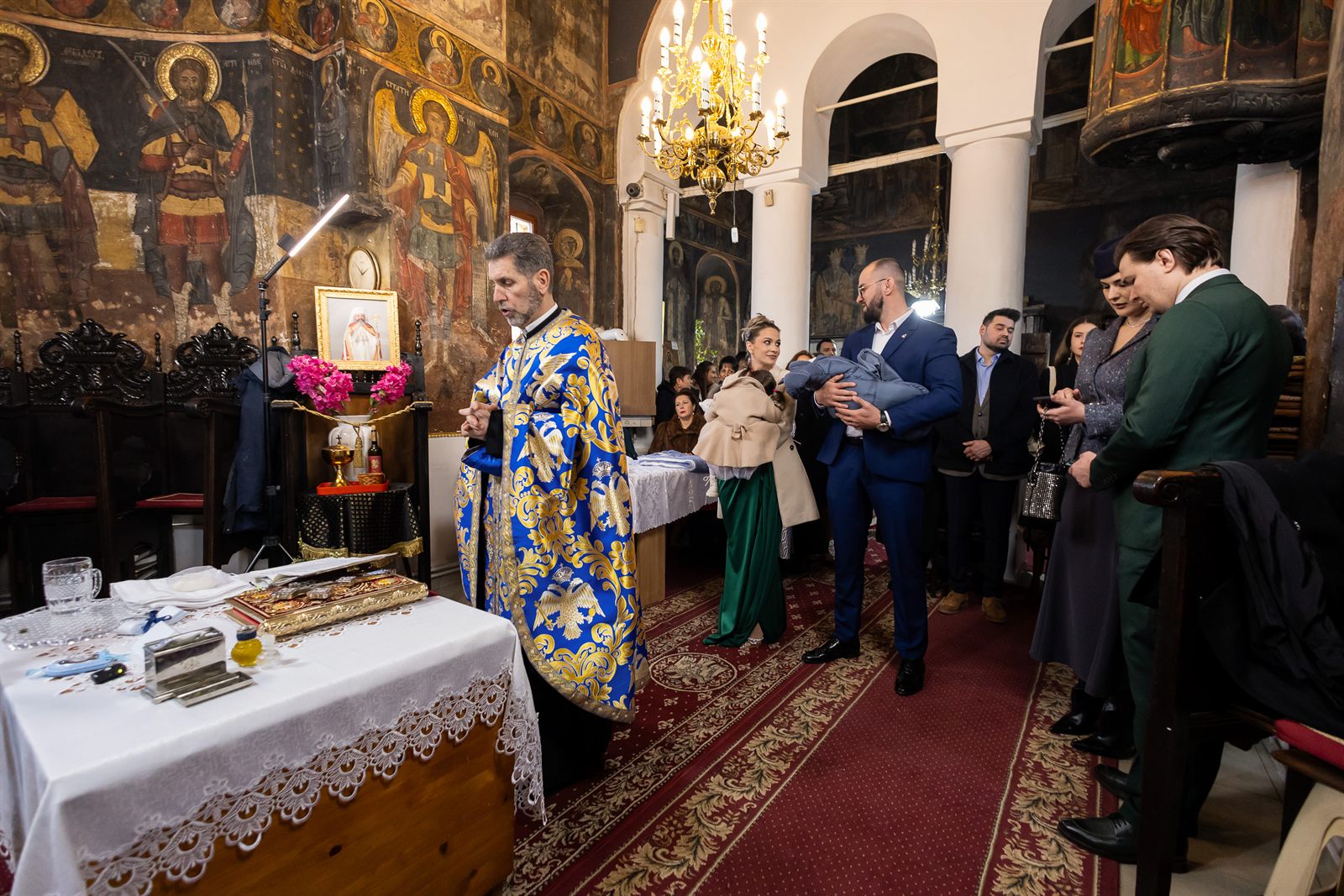
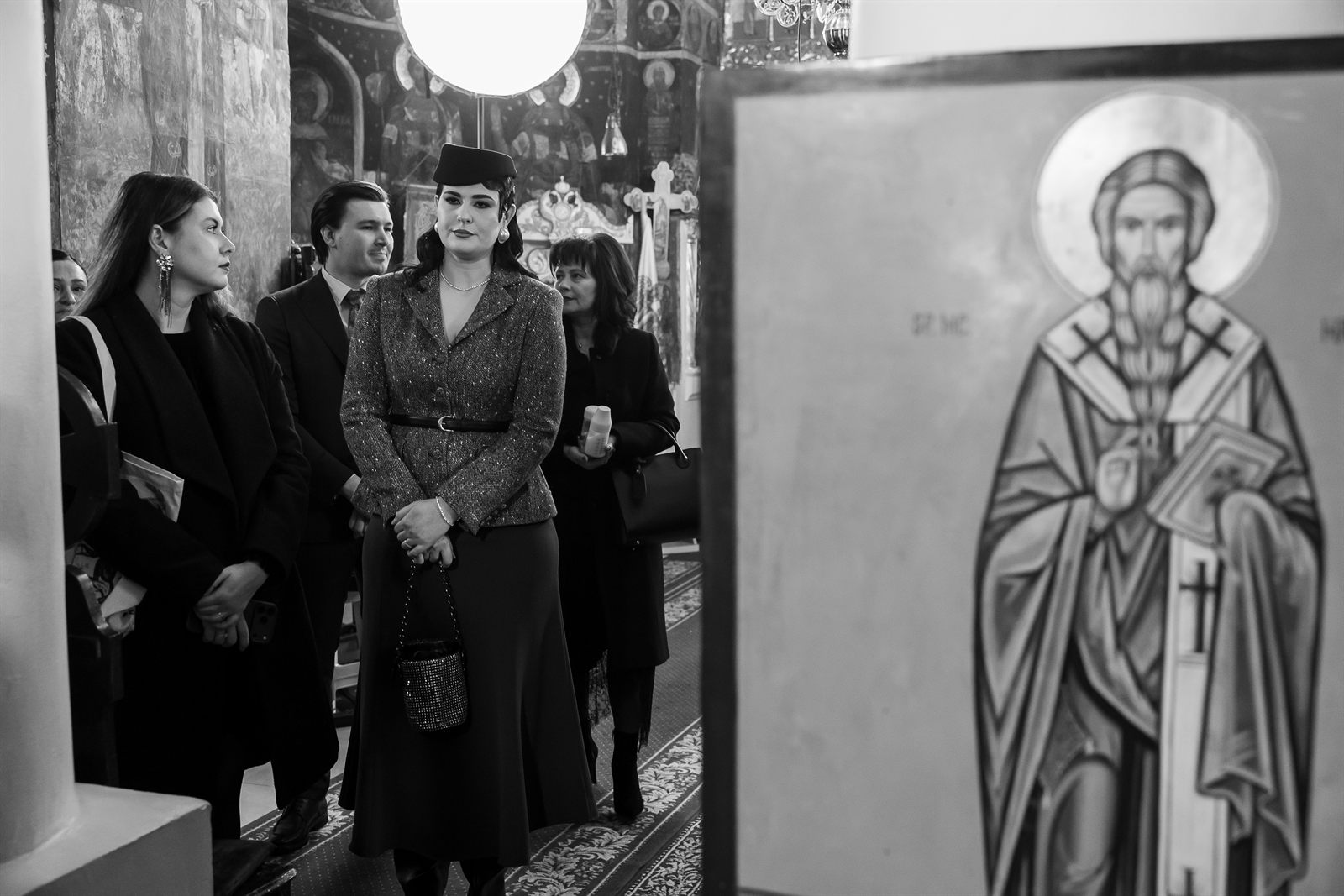
After the child and the parents, the godparents are perhaps the most important people at a christening. In the Orthodox tradition, godparents become the spiritual parents of the child being baptised and take on the responsibility of guiding them along the path of faith throughout their life. Choosing godparents is a serious decision, made with great care, for the bond between godparent and godchild is regarded as sacred – almost as strong as a blood tie.
On the day of the christening, it is the godparents who hold the child at key moments of the service, recite the Creed on their behalf and present the christening trousseau. By tradition, they also organise or help with the celebration that follows, a custom that many Romanian families still keep today.
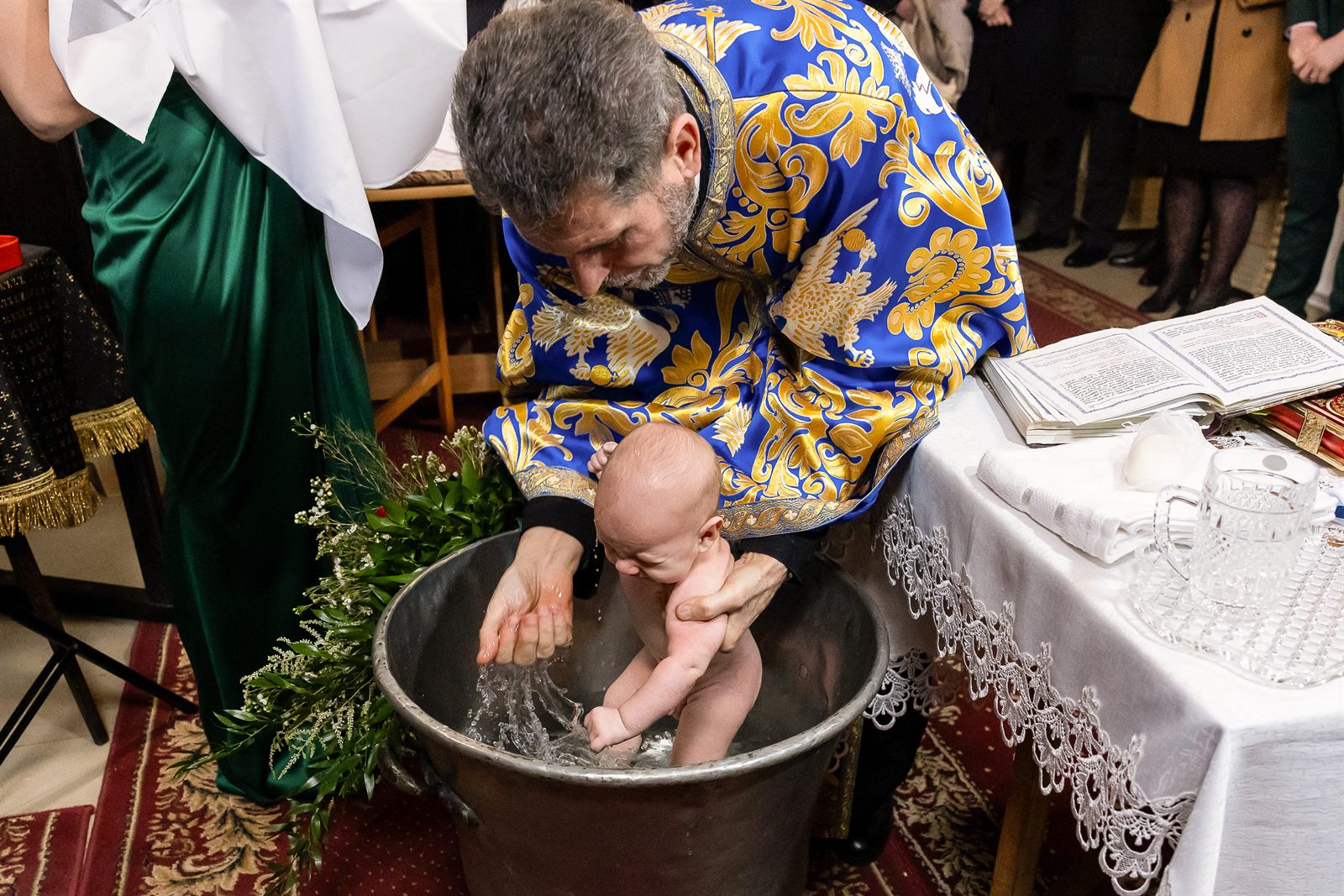
The ritual bath is one of the most symbolic customs that follow a christening. Traditionally, the child's first bath after the christening is prepared with water to which various symbolic elements are added: flower petals, basil, silver coins, milk or honey. Each carries its own meaning — coins for wealth and good fortune, milk and honey for a lovely face and a sweet life, basil for health and protection.
The bath is usually attended by the women of the family, and the moment is accompanied by good wishes for the child. Although the custom is practised more discreetly today, particularly among city families, its meaning remains the same: a gesture of love and good omen for the little one's future.
The cutting of the first lock of hair, or „moț”, is a much-loved Romanian custom that usually takes place at the child's first birthday or during the christening party. The little one is seated before a tray of different objects — a book, money, a stethoscope, a paintbrush, keys — each symbolising a profession or a path in life. It is said that whichever object the child chooses foretells what they will become when they grow up.
By tradition, the honour of cutting the first lock of hair falls to the godfather or someone close to the family, and it is greeted with applause and good wishes. It is one of the most moving and delightful moments of the party, often turned into a real show with music and lighting, especially when the christening is held in an elegant venue.
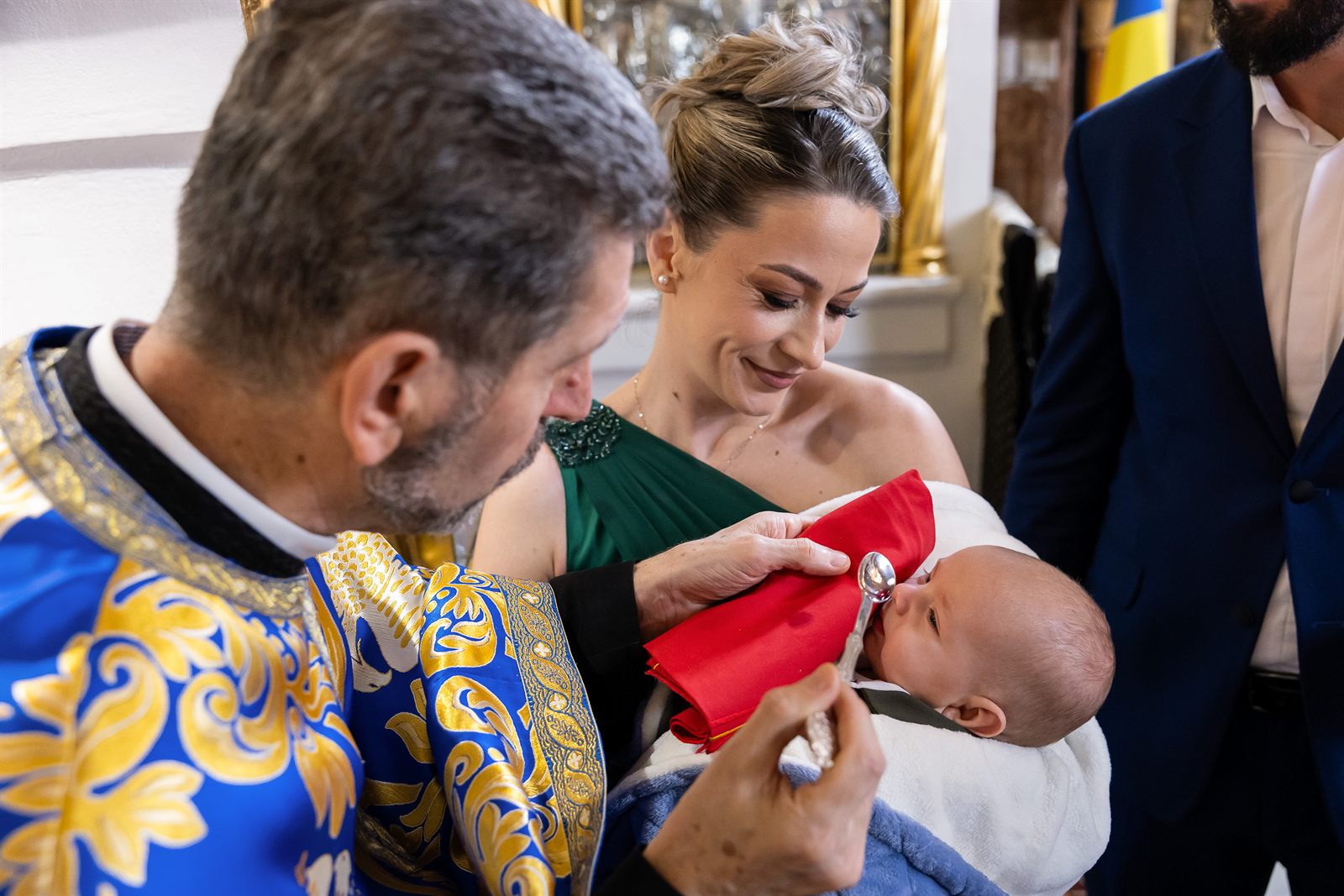
The christening loaf is another custom rich in meaning. In folk tradition, the „turta mielului" or christening loaf is shared among the guests and is sometimes broken above the child's head, as a sign of abundance and a wish for a life of plenty. Although the form of this custom varies from region to region, the central idea remains the same: sharing joy with loved ones.
Christening gifts are also a deeply rooted tradition. Guests usually bring gifts for the child, while the godparents prepare the christening set — the candle, the towel and the little white garments. Tradition also calls for gifts of money, as a gesture of support for the family and a good omen for the child's future.
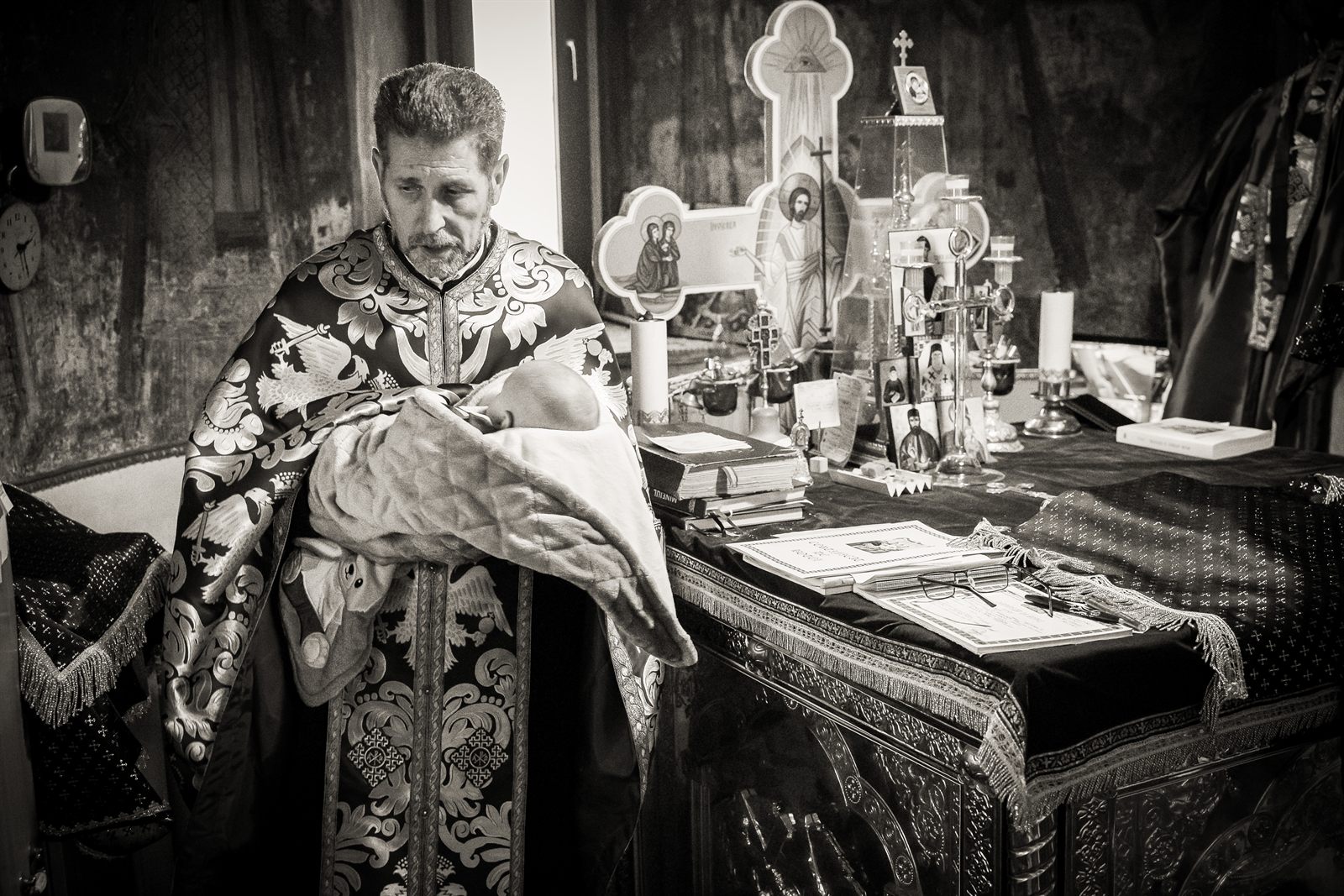
A christening day begins at church, where the service itself takes place, and continues with the celebration, which can be as intimate or as lavish as the parents wish. After the religious ceremony, guests make their way to the chosen venue, where the moments that turn a christening into an unforgettable day unfold: the traditional first haircut, dancing, live music, the cake and time spent with loved ones.
Today, more and more families choose to celebrate a christening in an elegant setting that honours both the emotion of the occasion and the beauty of every detail. A refined venue, with generous spaces and décor to match, offers the child and guests a memorable experience in which tradition blends naturally with elegance.
A rare advantage of Palatul Noblesse is its proximity to Biserica Sfinților — an Orthodox church and historic monument built in 1728 and recently restored (2025–2026), standing directly opposite the Palace on the same street. The christening service can therefore take place in this church of almost three centuries, also known as the „Church of the Saints", with the celebration following immediately in the Palace's salons — a natural continuity between the sacred moment and the festivities, with no long journeys and no rush. This is what makes the Strada Sfinților area a complete setting for a fairytale christening in the heart of Bucharest.
Few event venues in Bucharest can offer this combination — a historic church and a palace just a few steps apart, in an area with centuries of history.
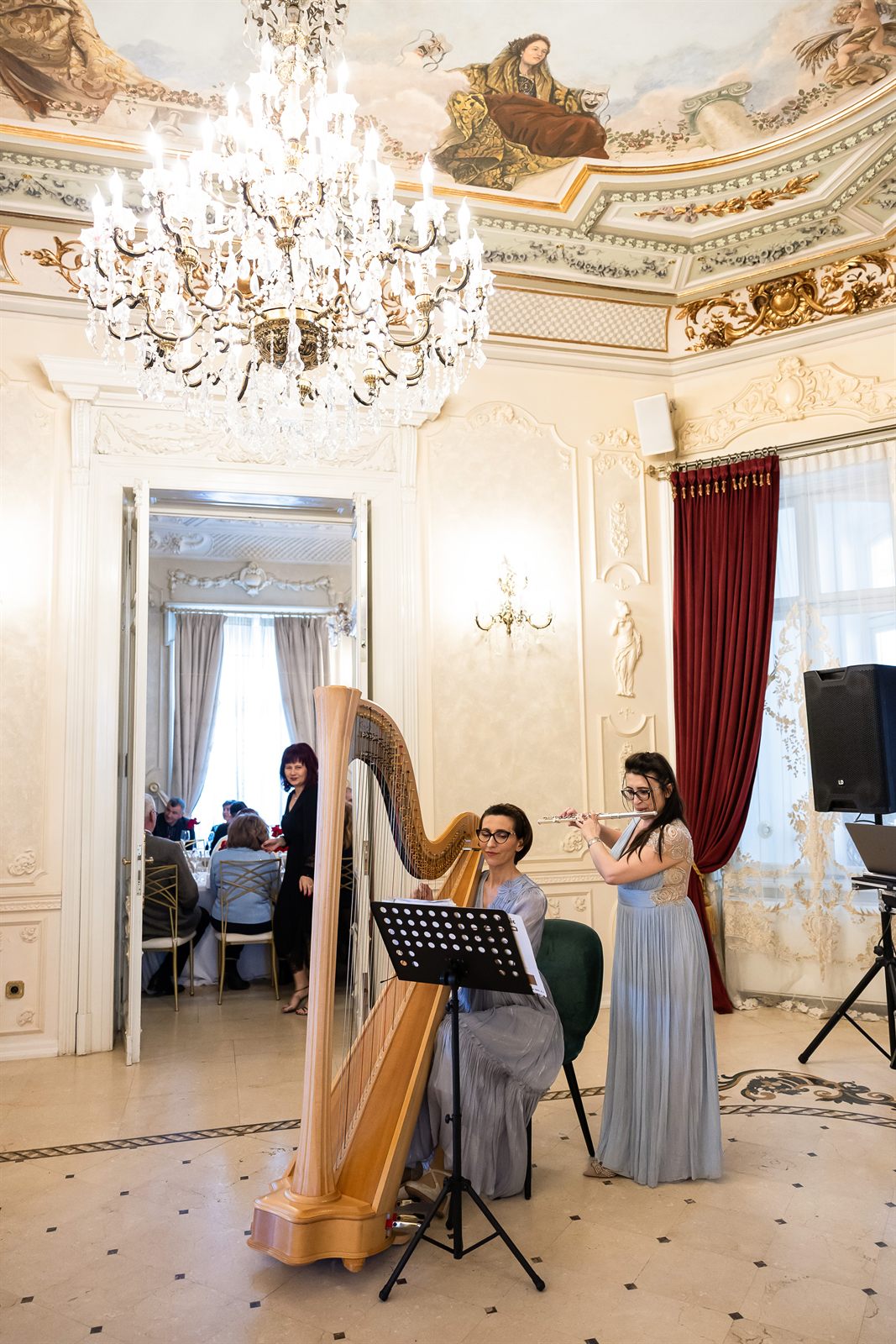
Although the pace of modern life has changed the way we celebrate, christening traditions remain remarkably alive in Romanian families. Many customs have adapted: the ritual bath is done more discreetly, the cutting of the baby's first lock of hair becomes a choreographed moment with music and lighting, and gifts take on new forms. Yet the essence remains unchanged — the wish for the child to enjoy good health, good fortune and a fulfilling life.
It is precisely this blend of old and new that makes today's christening such a special celebration. Families choose to keep the meaningful gestures handed down by their grandparents, but set them in a contemporary, elegant setting that shows them at their best. Each christening thus becomes a bridge between cherished national tradition and every family's own style.
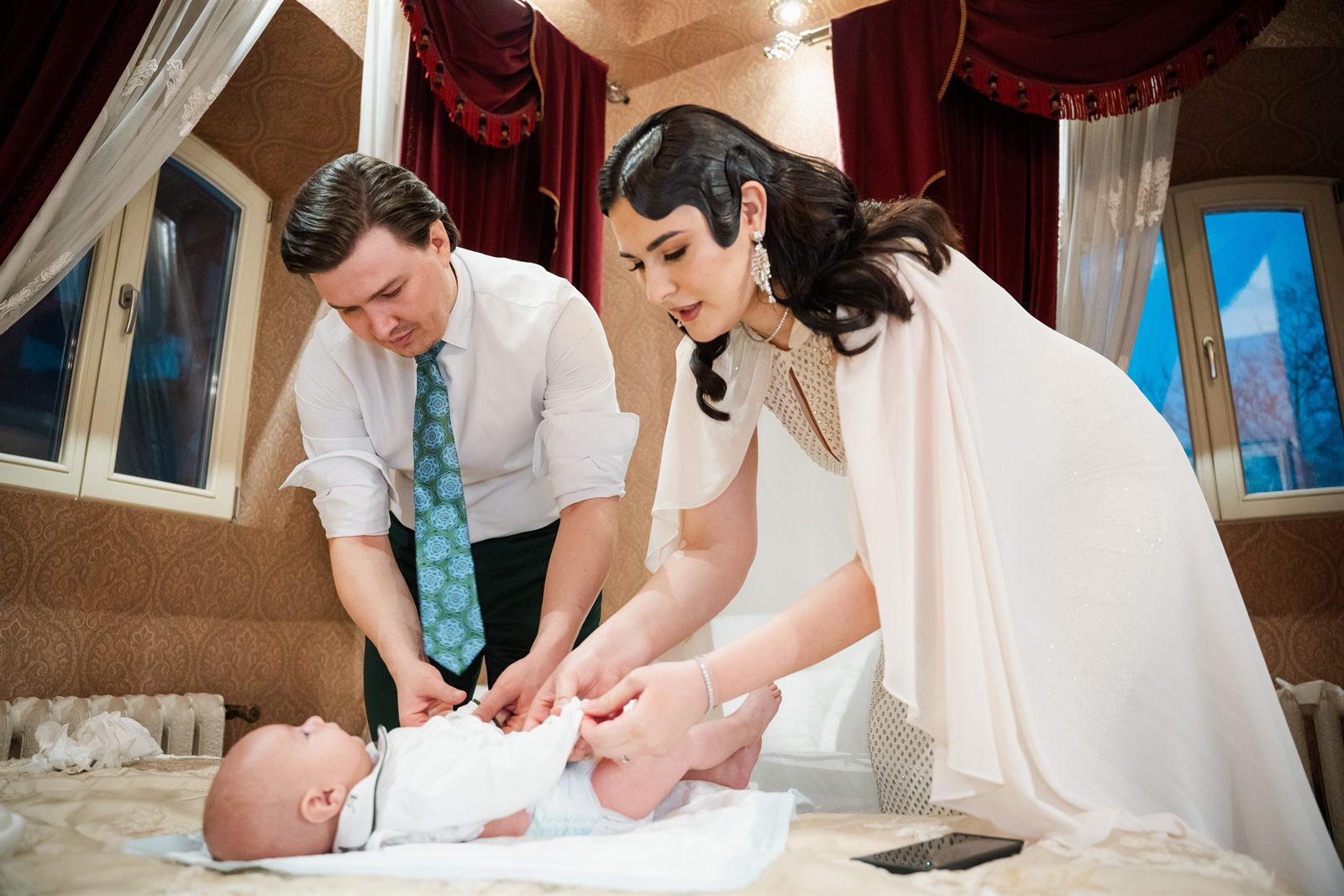
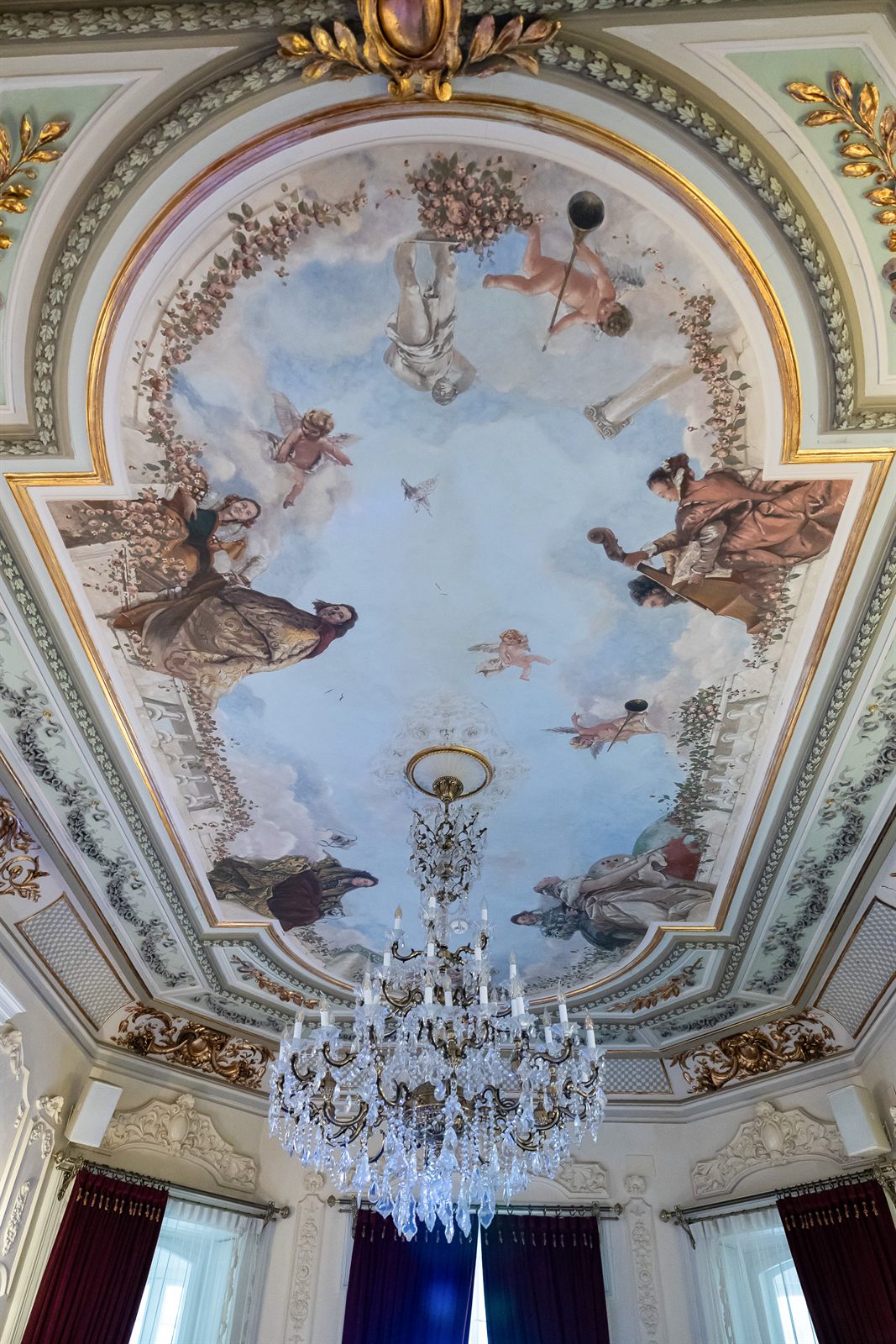
Keeping traditions alive does not mean giving up refinement — quite the opposite. A christening at Palatul Noblesse, an 1881 historic monument in the heart of Bucharest, brings together the very best of Romanian custom in an exceptional setting: elegant rooms, painted ceilings, chandeliers and a bohemian garden. Here, the traditional first haircut becomes a moment of theatre, and every custom takes on a touch of singular elegance.
From the moment your guests arrive until the very last dance, a christening celebration at Palatul Noblesse combines respect for tradition with a refined dining experience from the Palace kitchen and décor considered down to the smallest detail. This is how the Romanian Orthodox christening tradition comes to life today, in a story worth remembering.
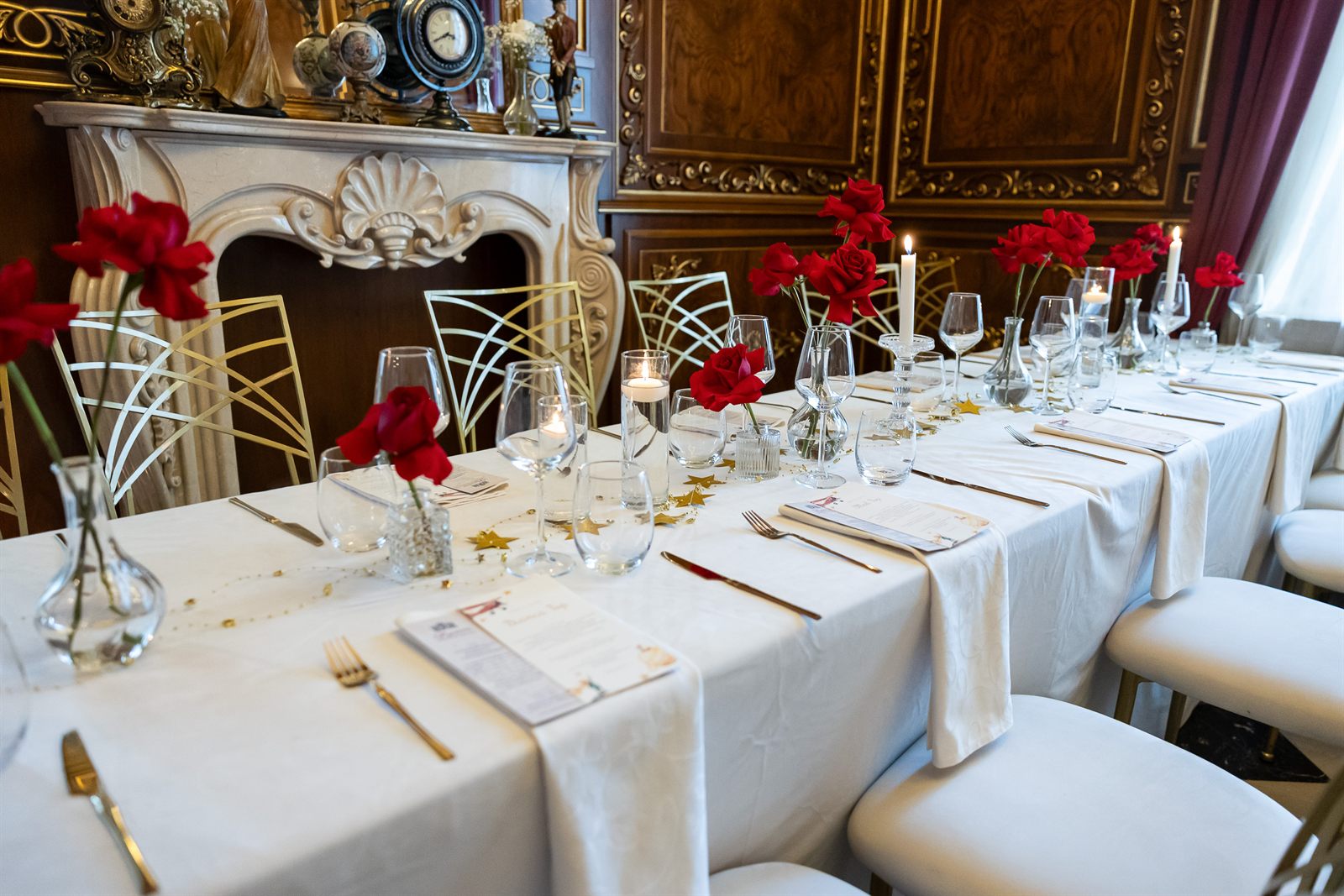
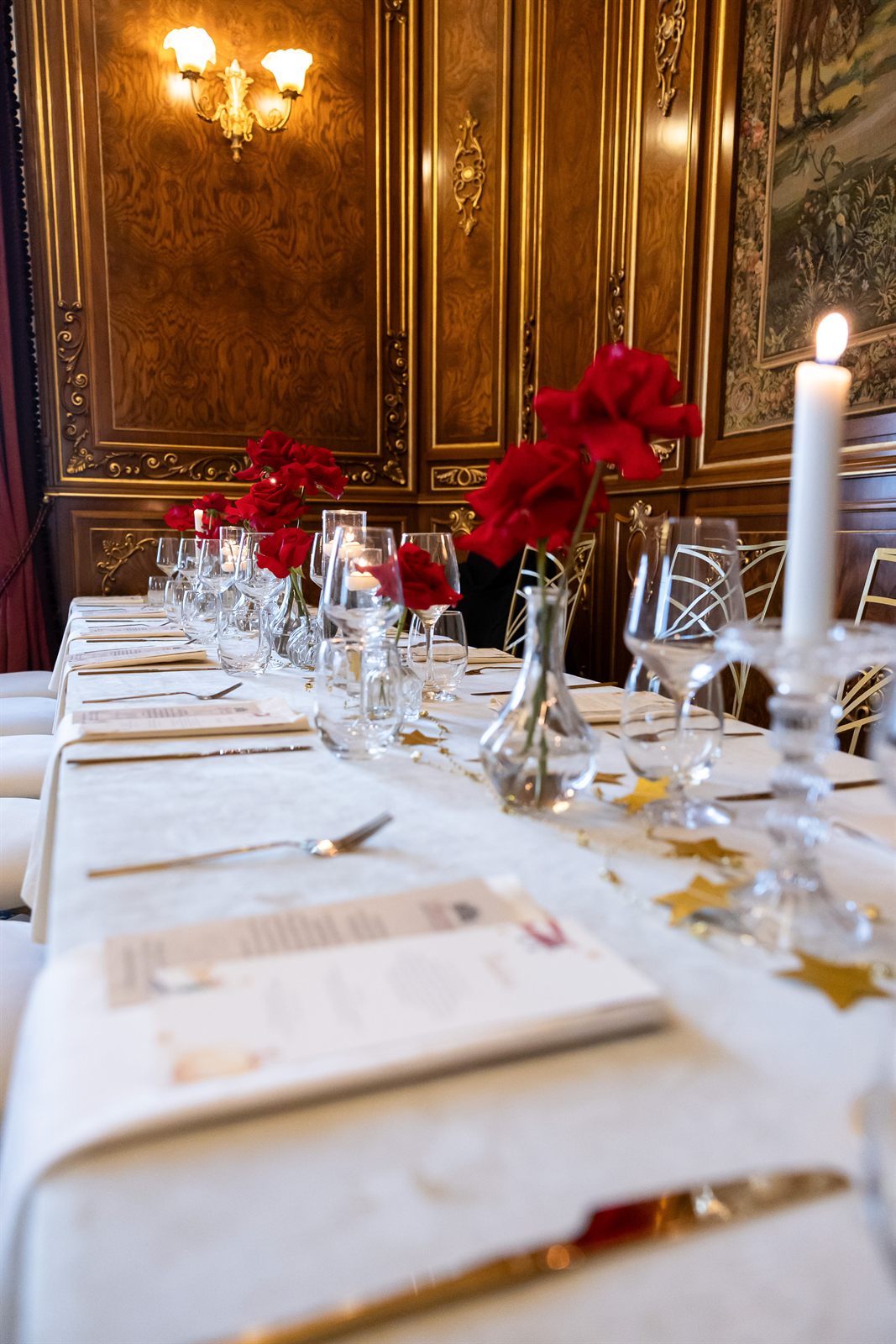
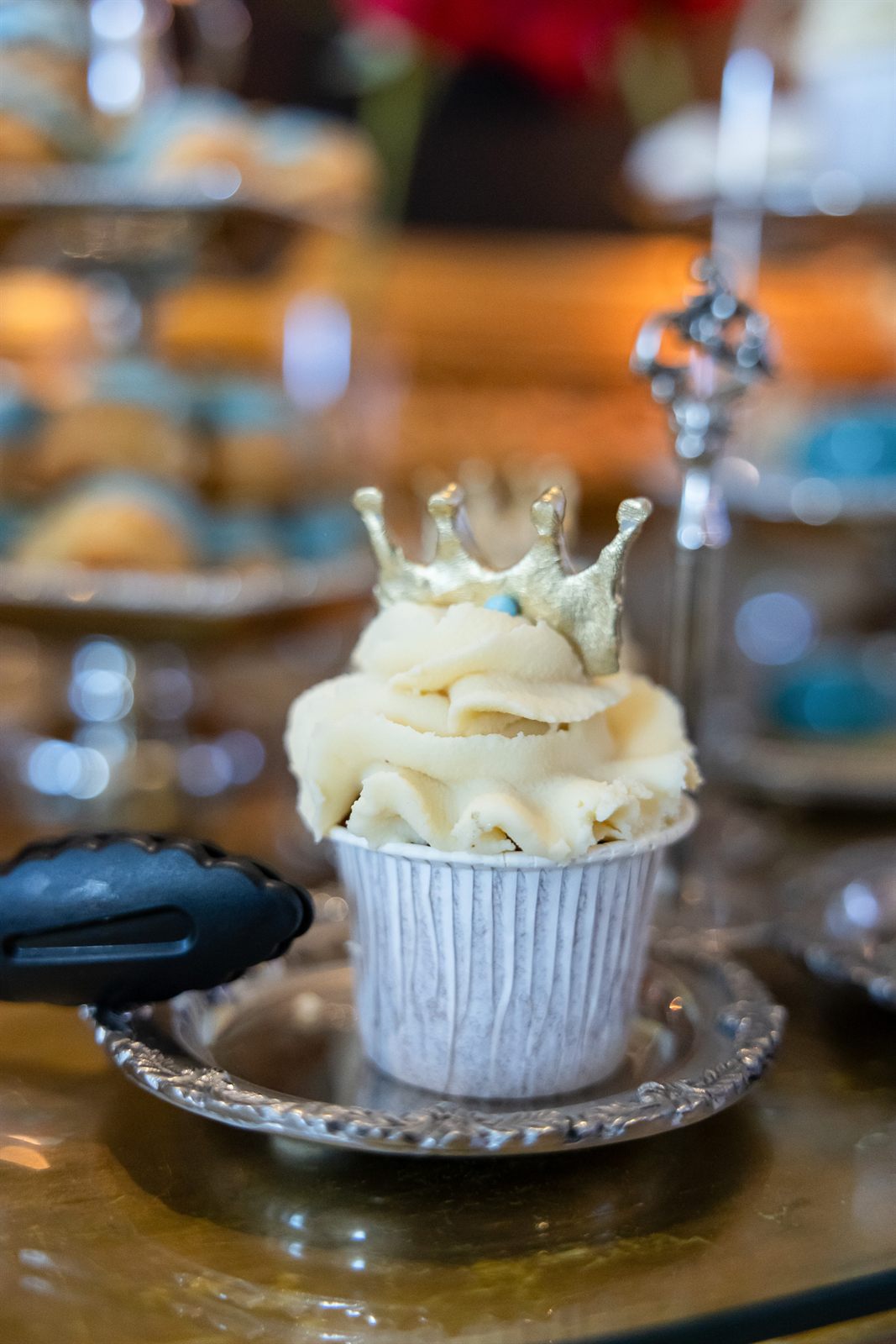
The main traditions are: choosing the godparents as spiritual parents, the ritual bath with symbolic elements, the first haircut with the tray of objects, the christening cake and the giving of gifts. Each one carries a wish for the child's health, good fortune and prosperity.
In the Orthodox tradition, christenings usually take place in the first few months of a child's life, while the first haircut ceremony is often held at their first birthday or during the christening party.
Palatul Noblesse, an 1881 historic monument in central Bucharest, is an elegant christening venue with refined rooms, a garden and its own culinary offering, where tradition meets the prestige of a palace.
Tell us more about your event and our team will be in touch shortly.
Request a Tailored Quote