
The history of Palatul Noblesse – Arts and Events Centre is a long one, having known both glory and decline over the years. Today, two people with vision and a love of beauty, Loredana and Si…
The history of Palatul Noblesse – Centre for Arts and Events is a long one, having known both glory and decline over the years. Today, two people with vision and a love of beauty, Loredana and Silviu Preda, have restored its former splendour and glory.
But let us tell you the story of this building, rescued from neglect and decay, which seems to have been reborn even more beautiful and elegant than before.
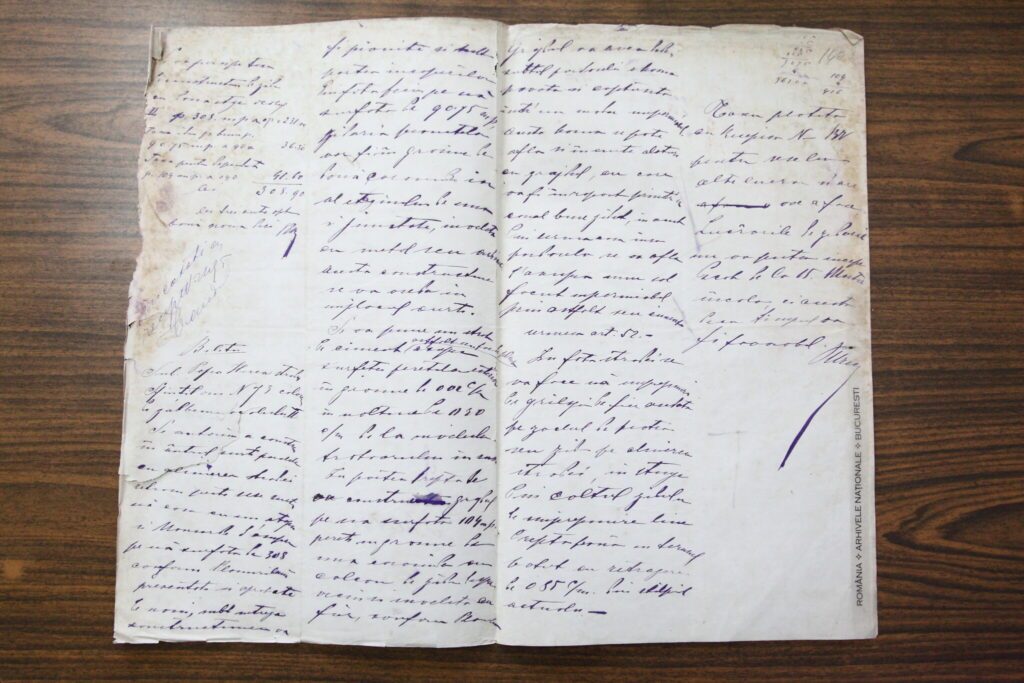
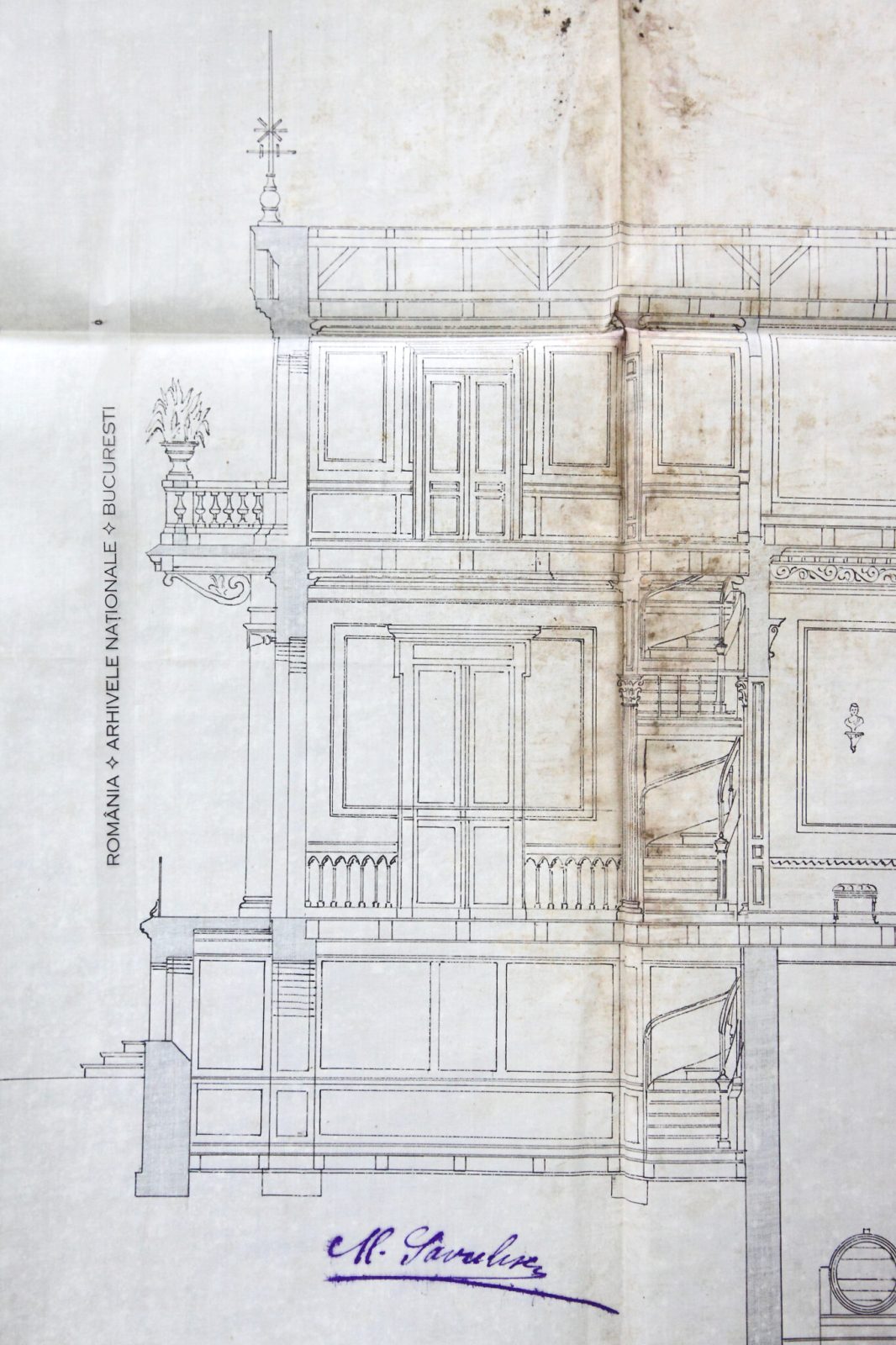
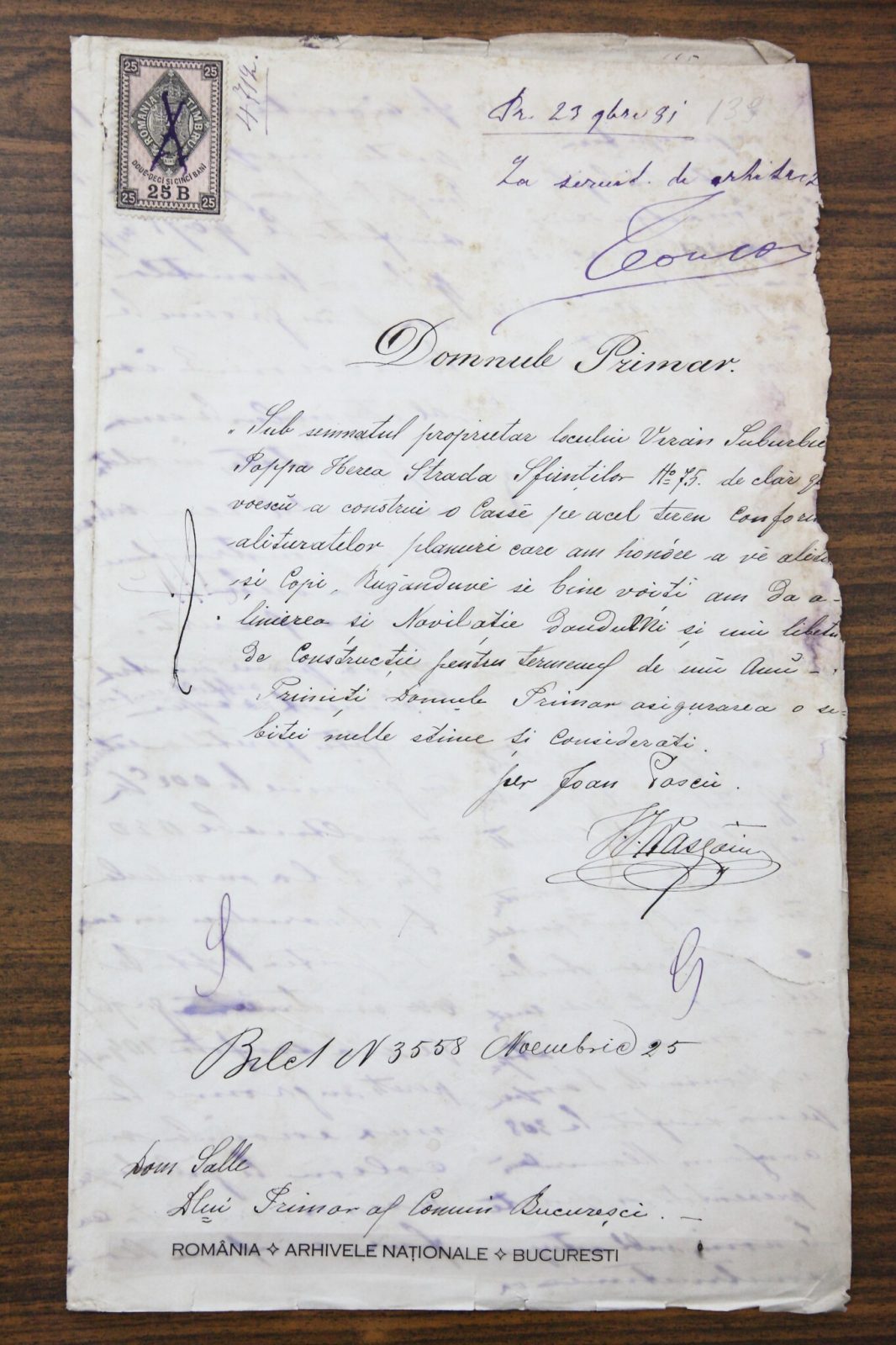
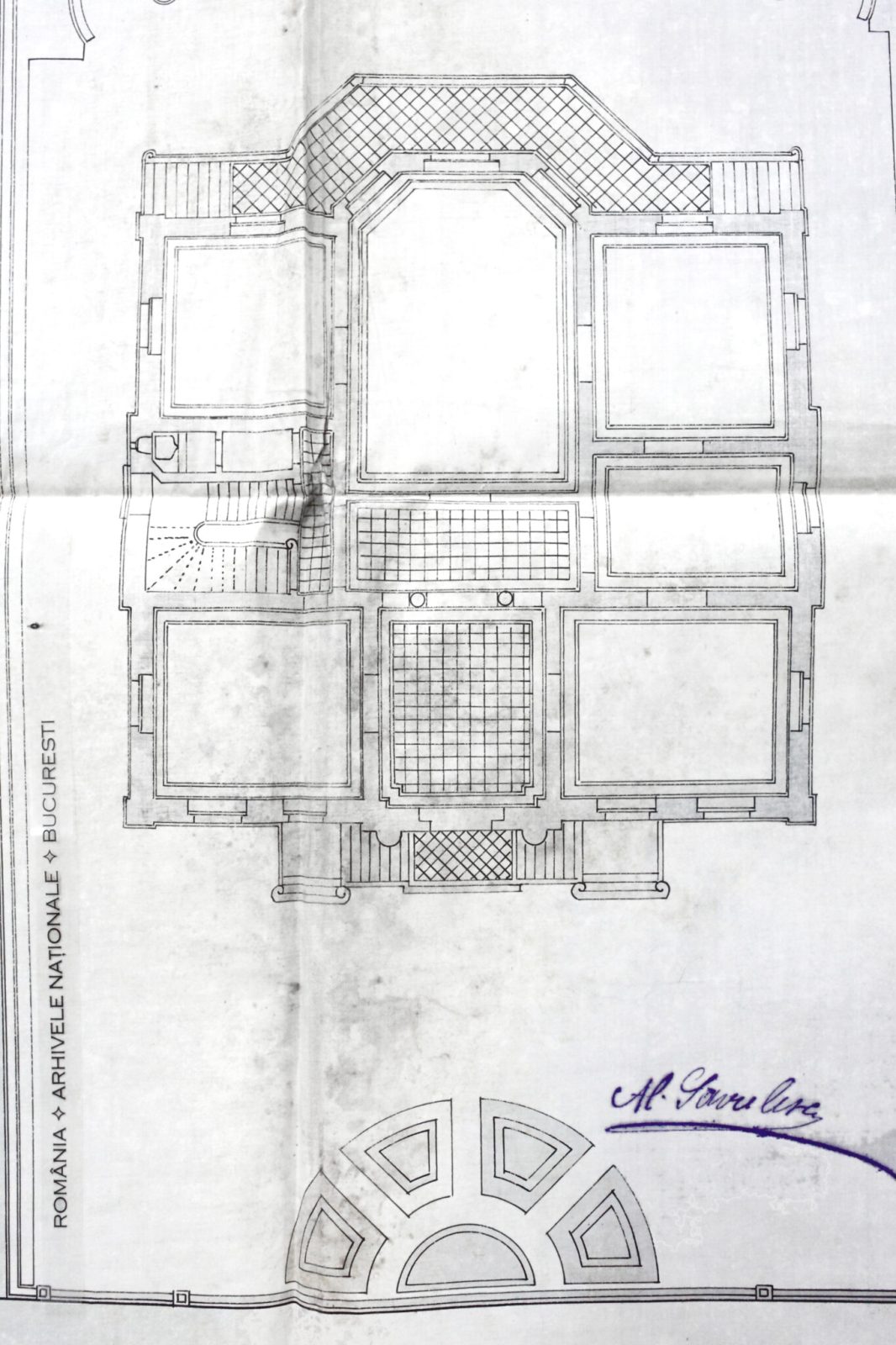
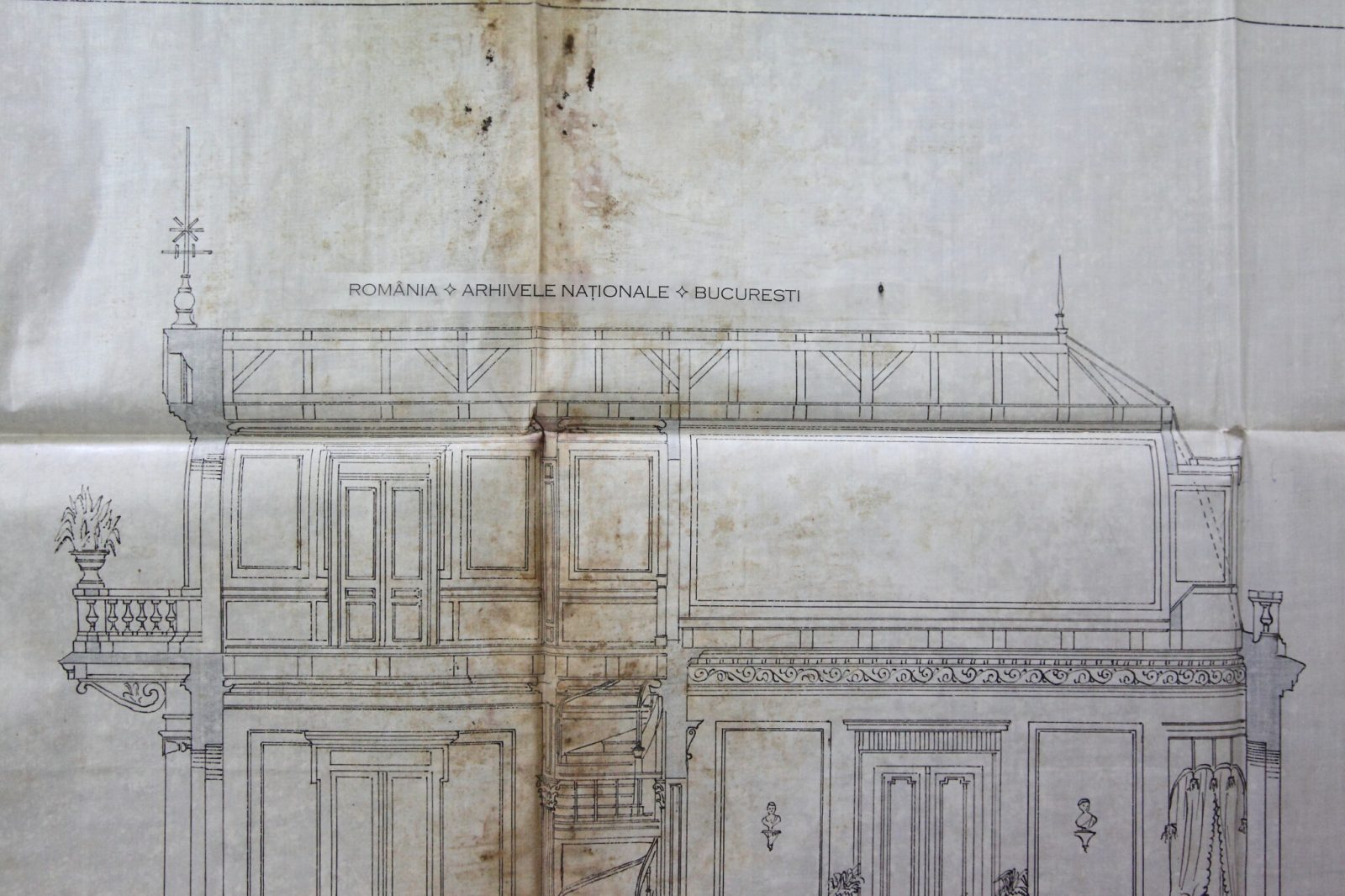
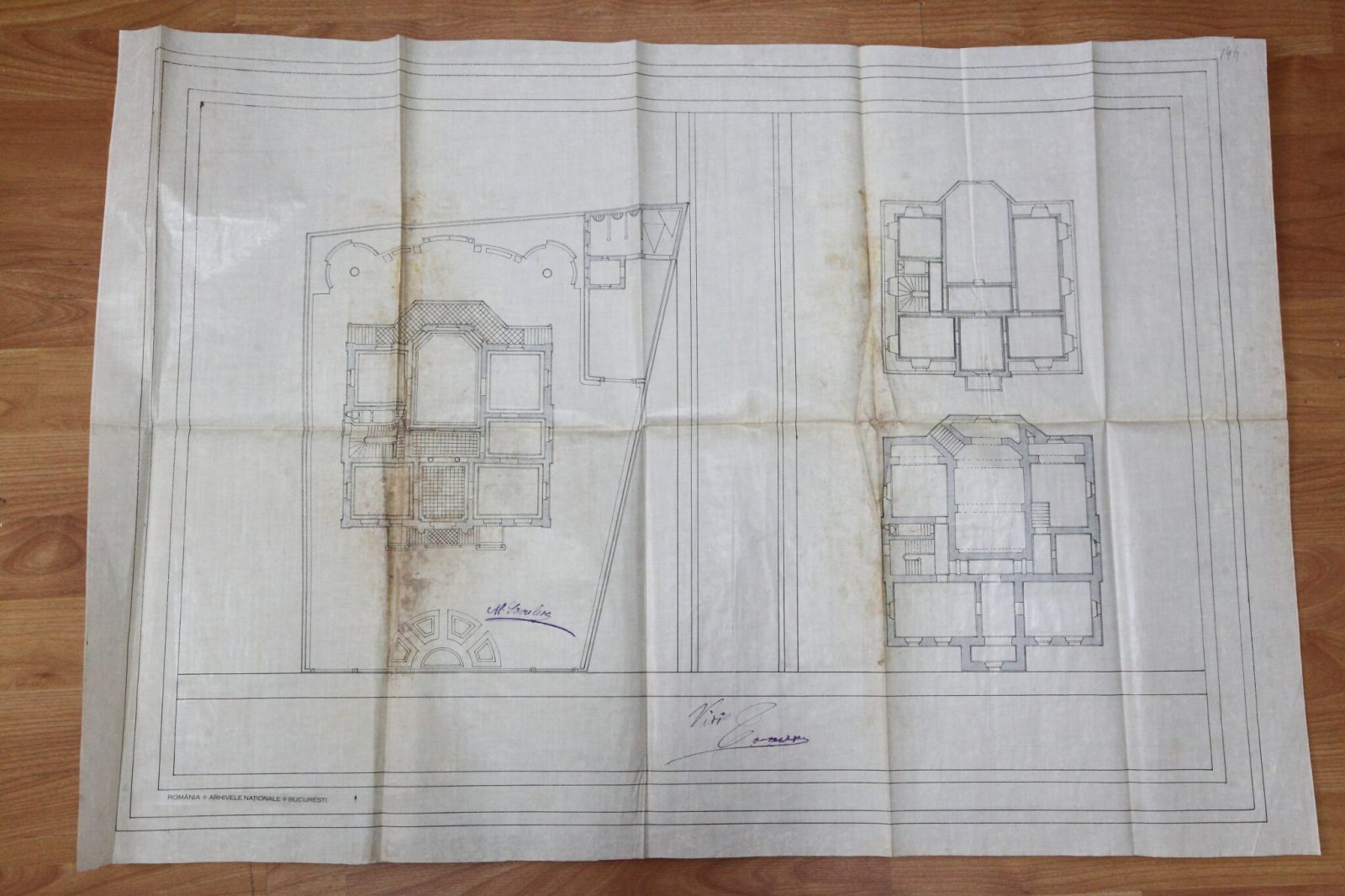
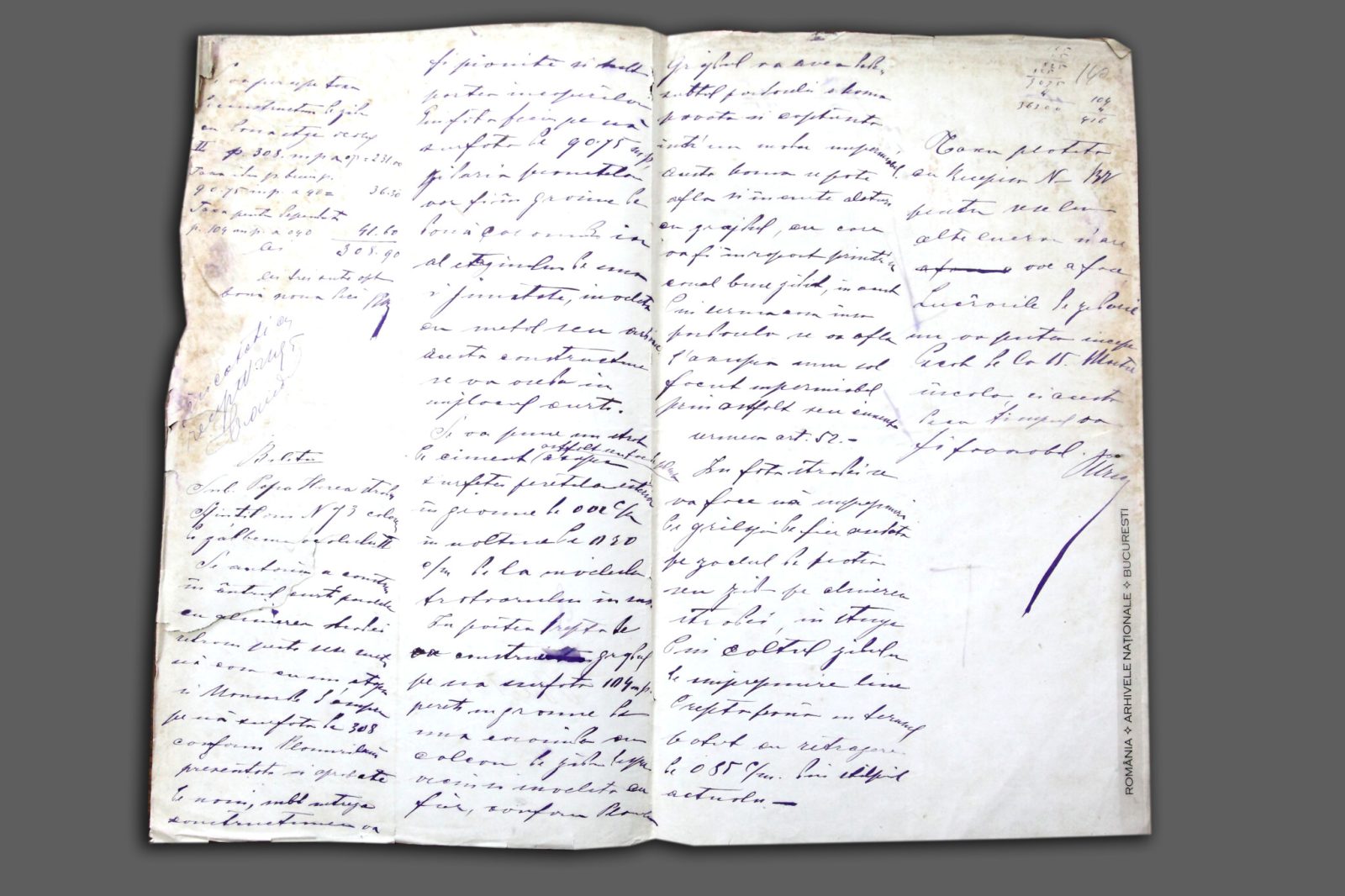
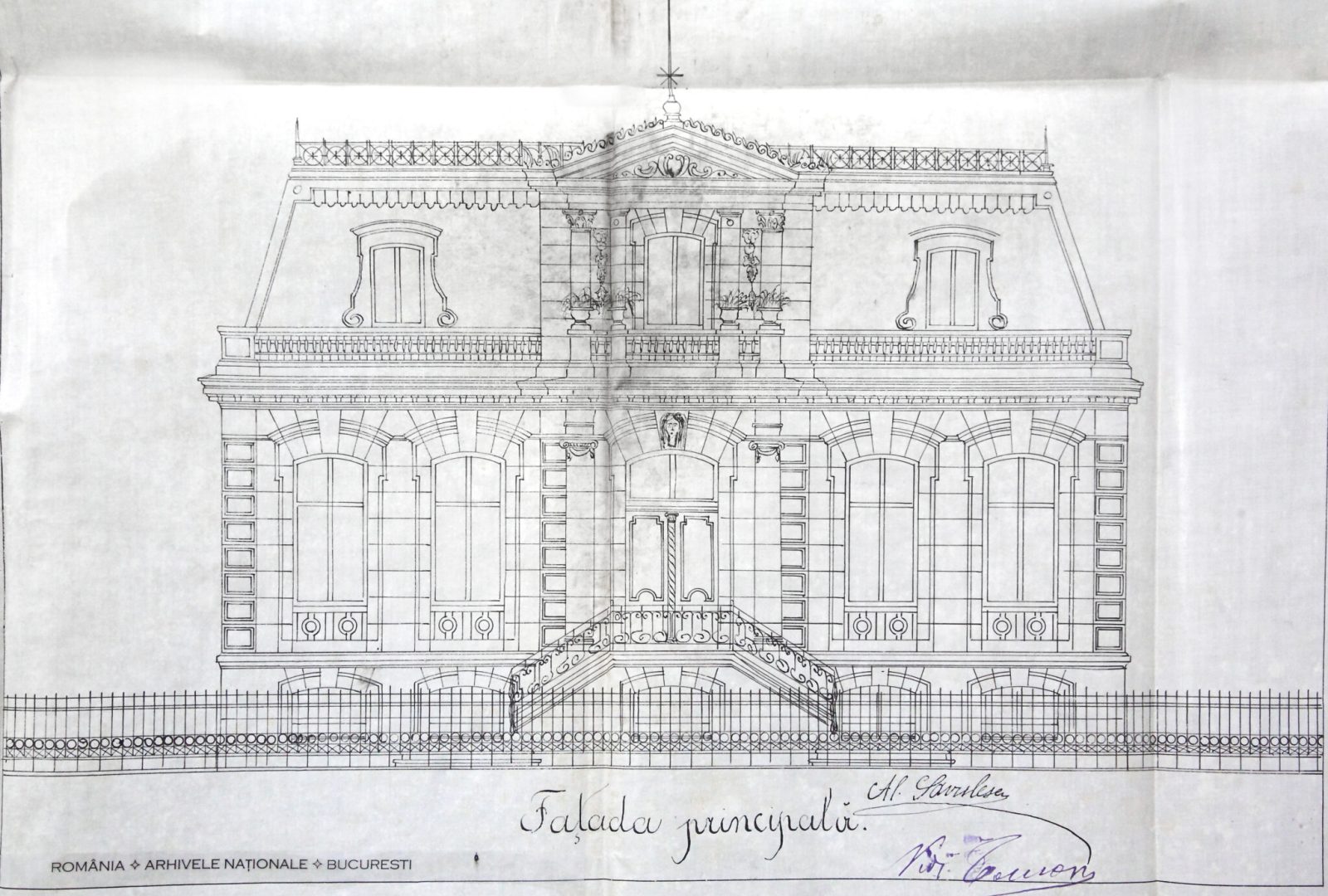
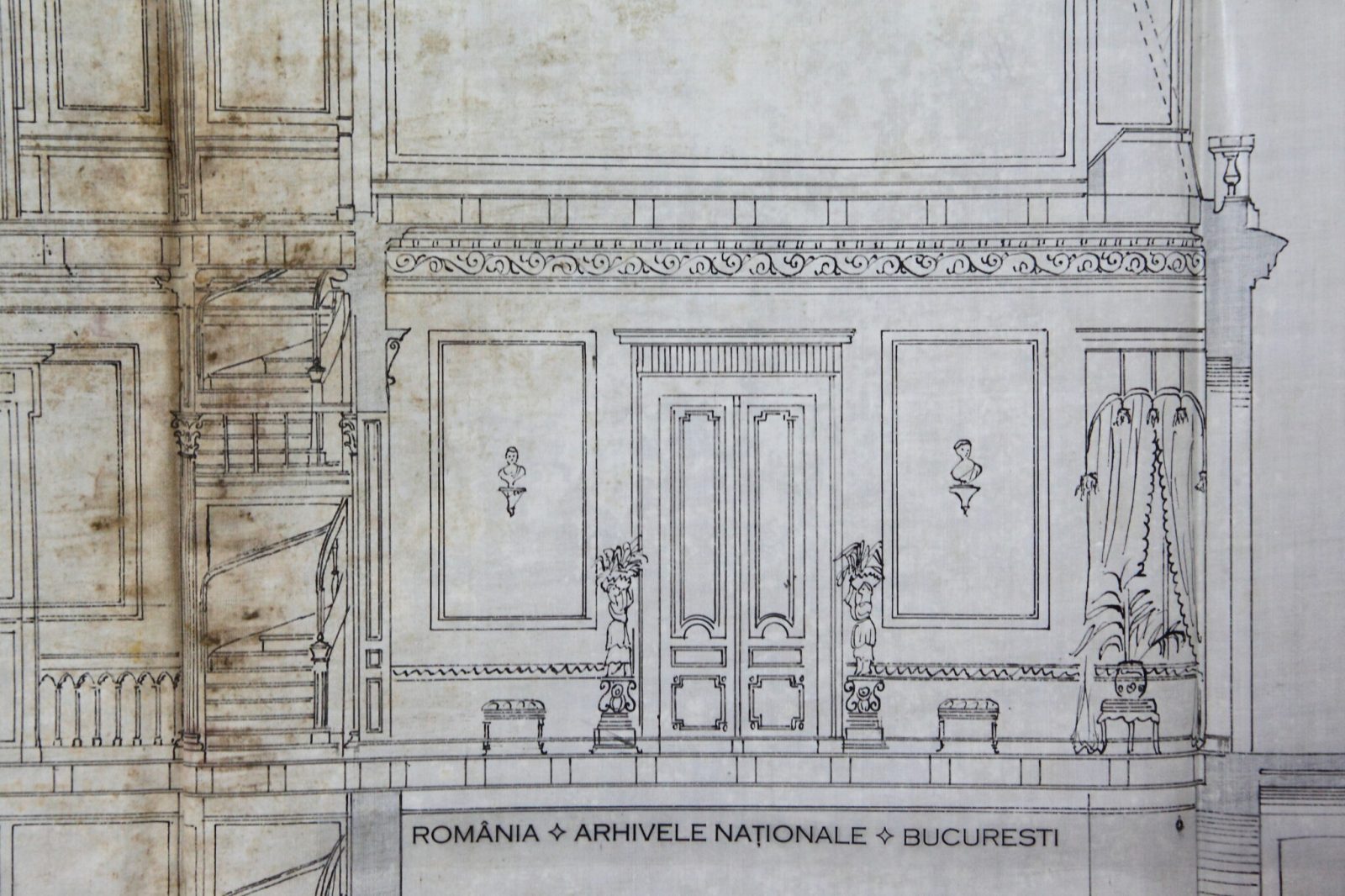
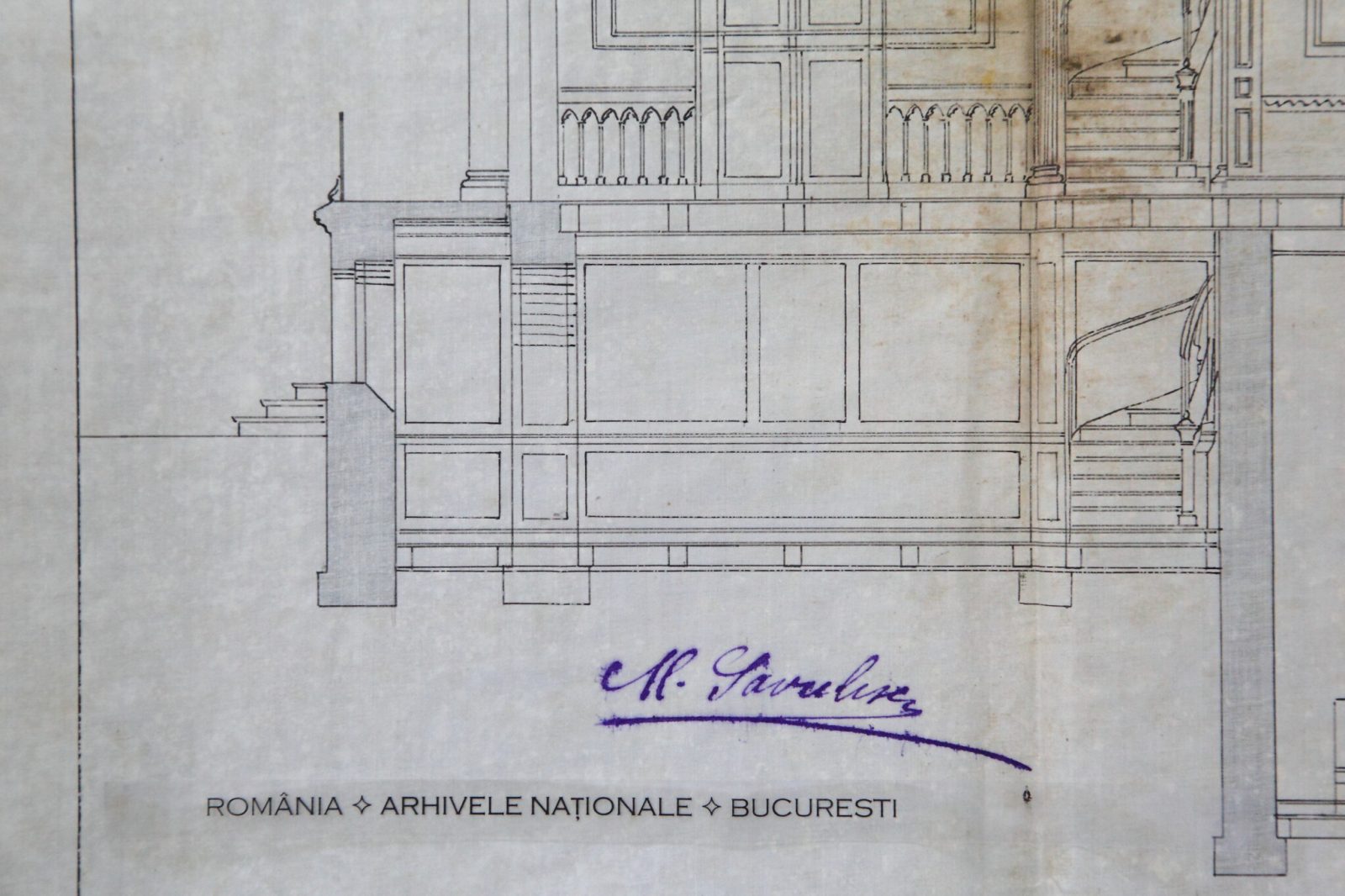
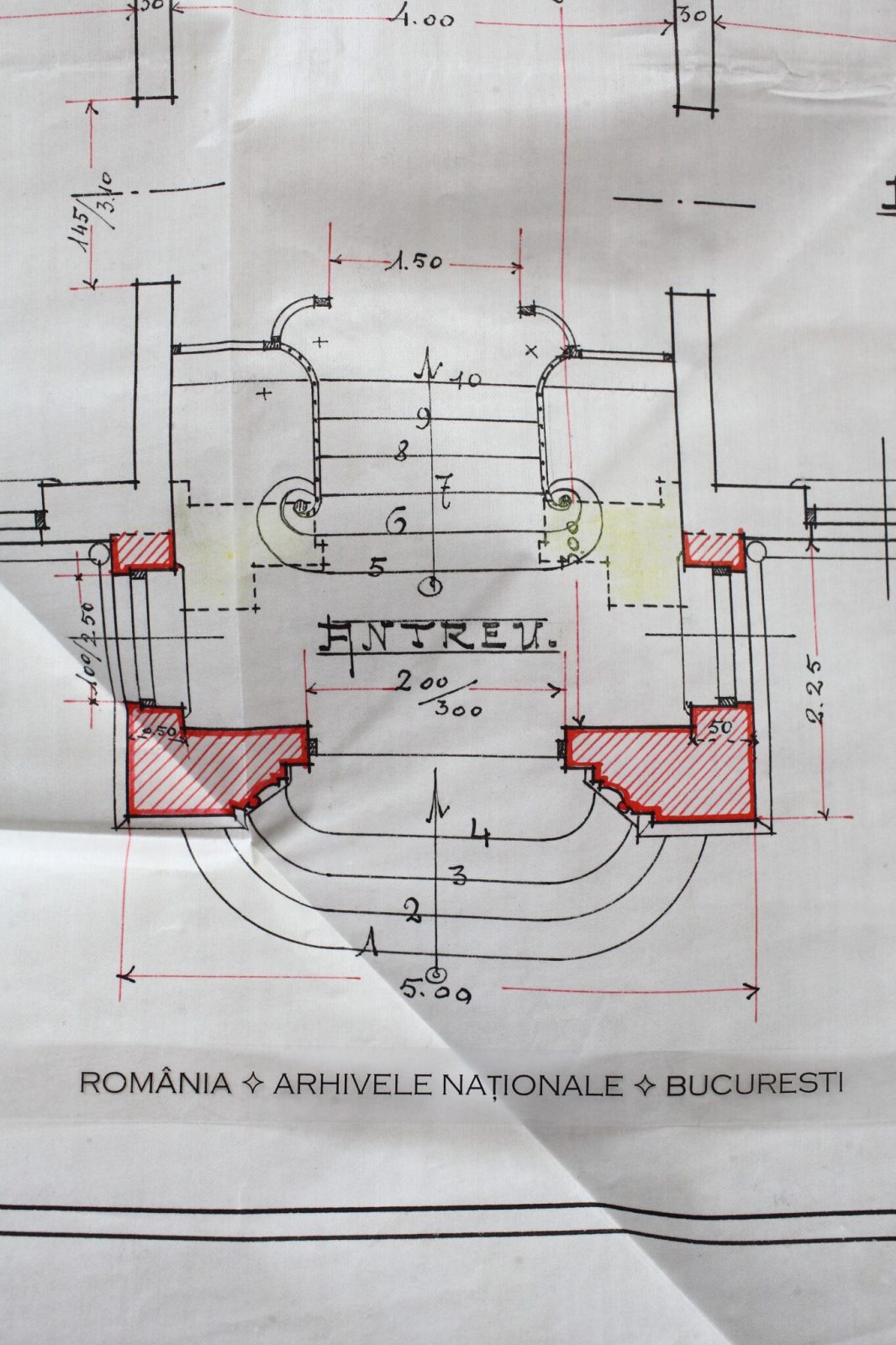
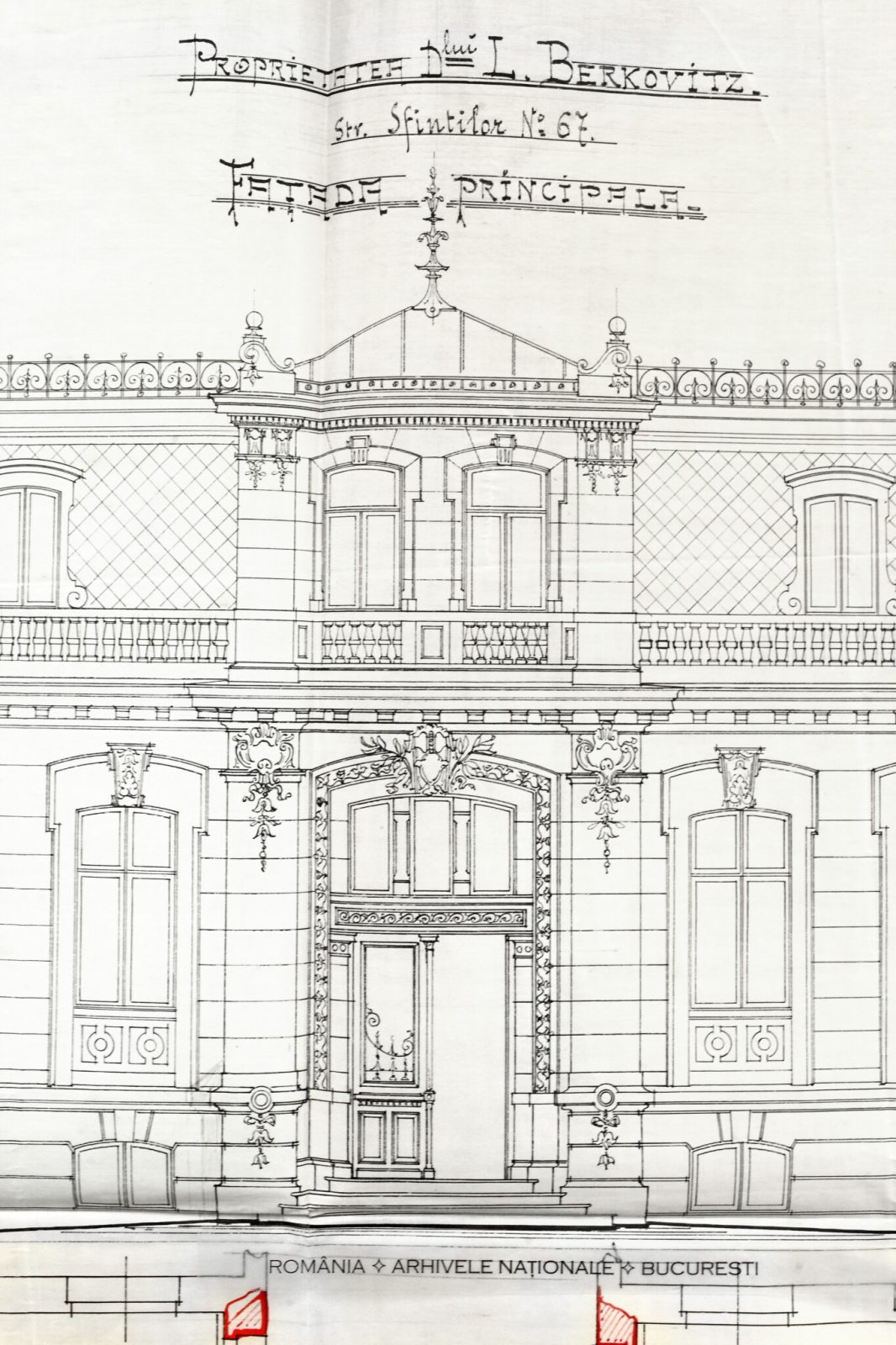
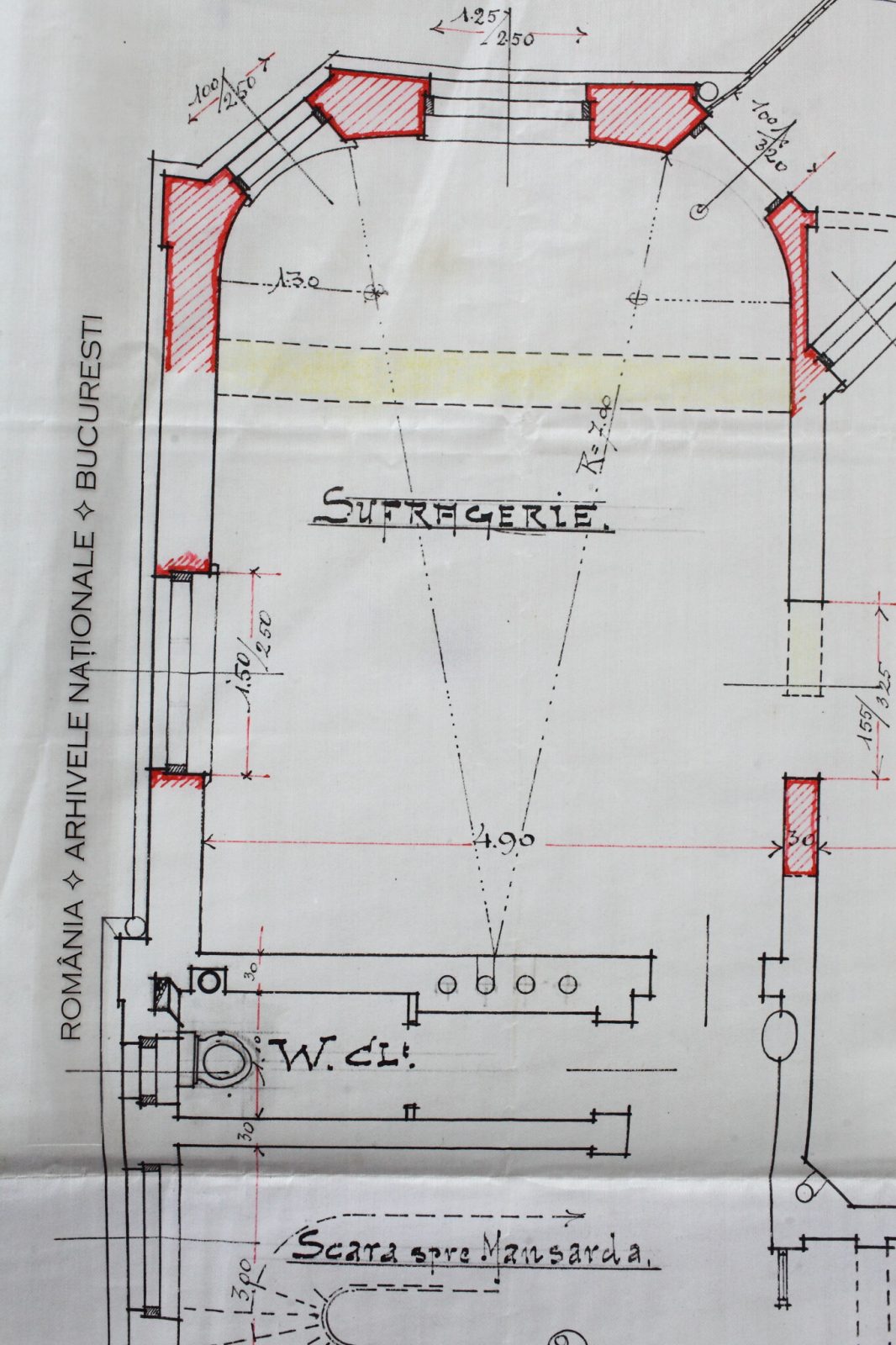
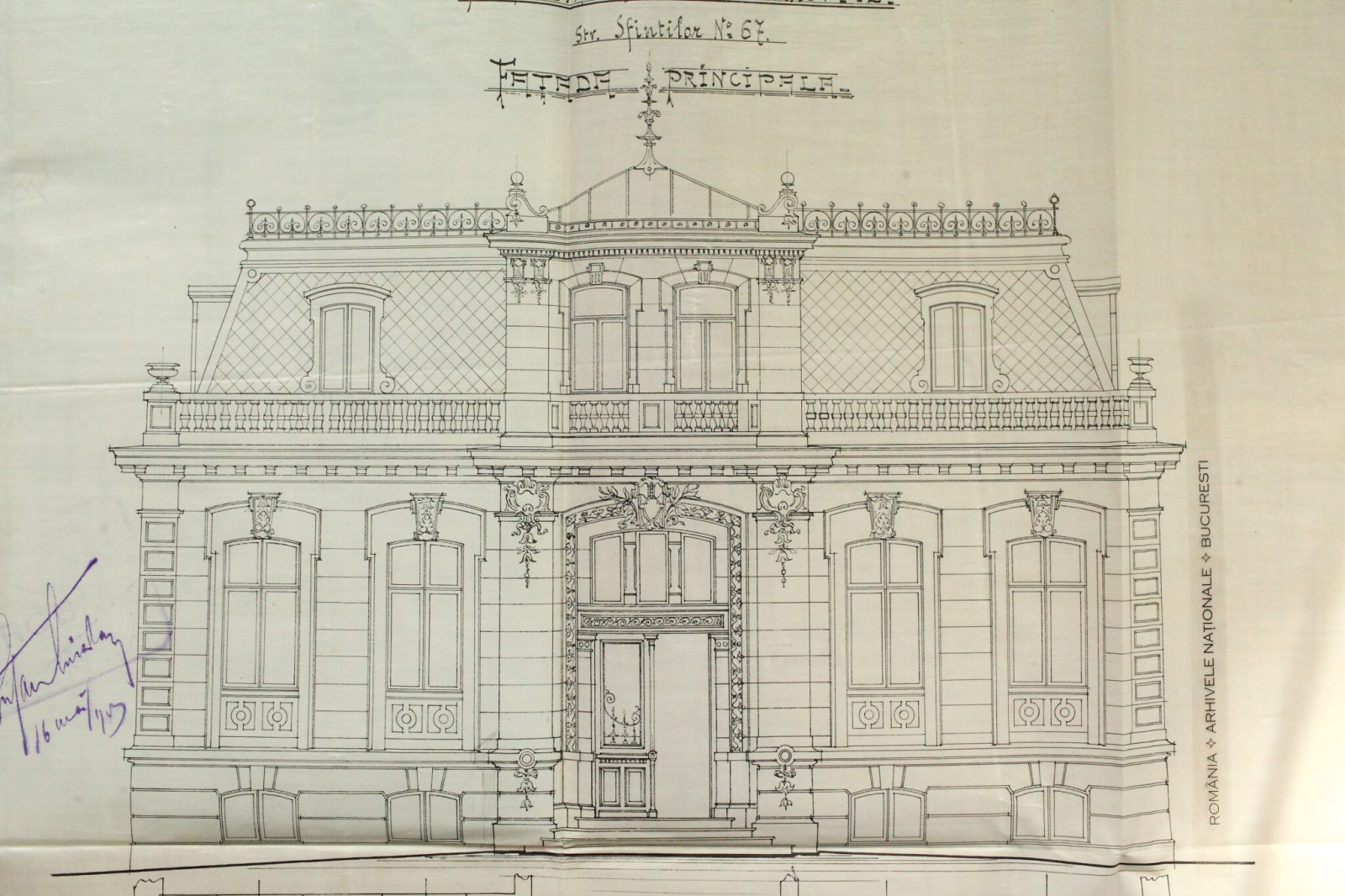
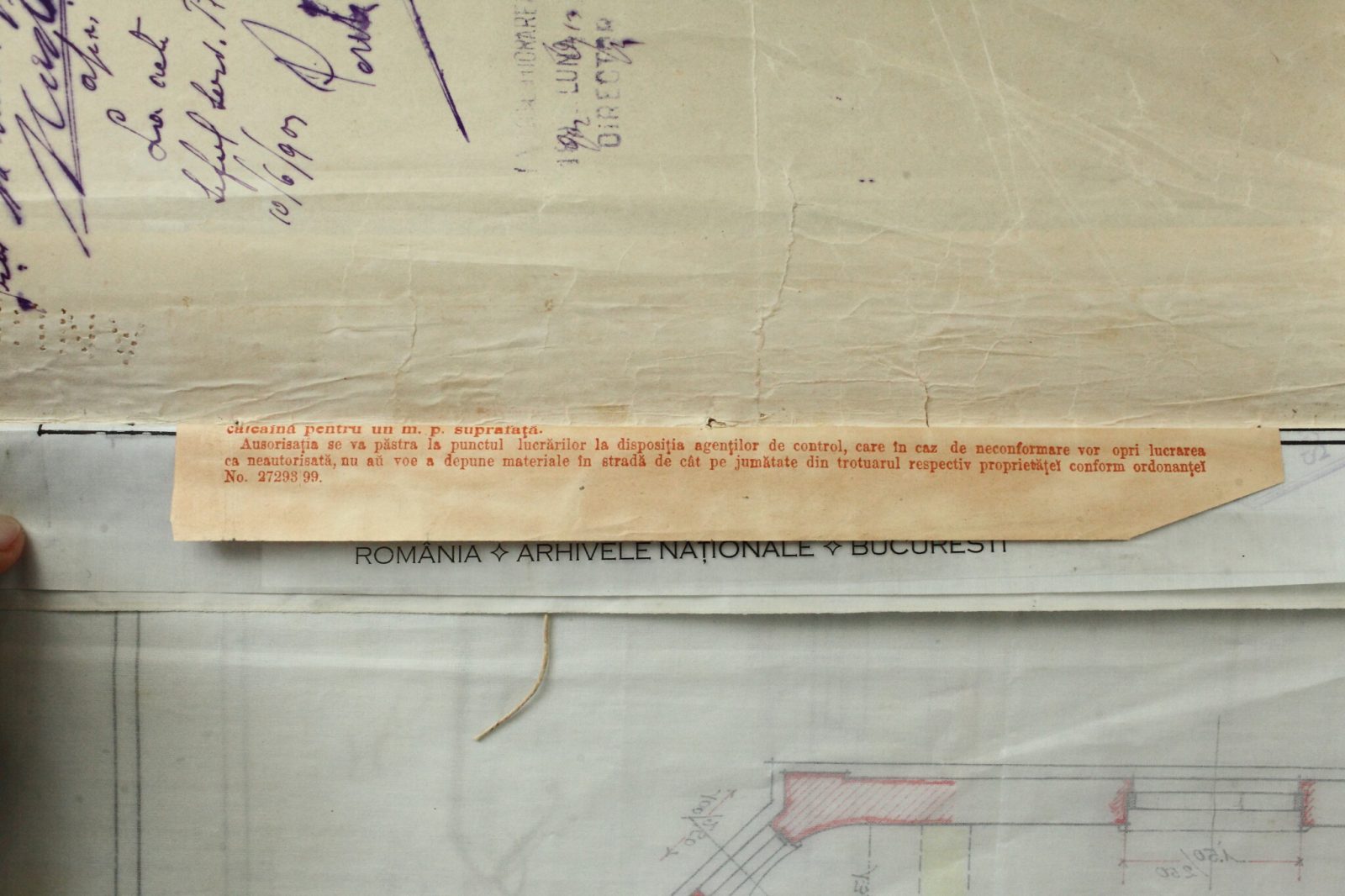
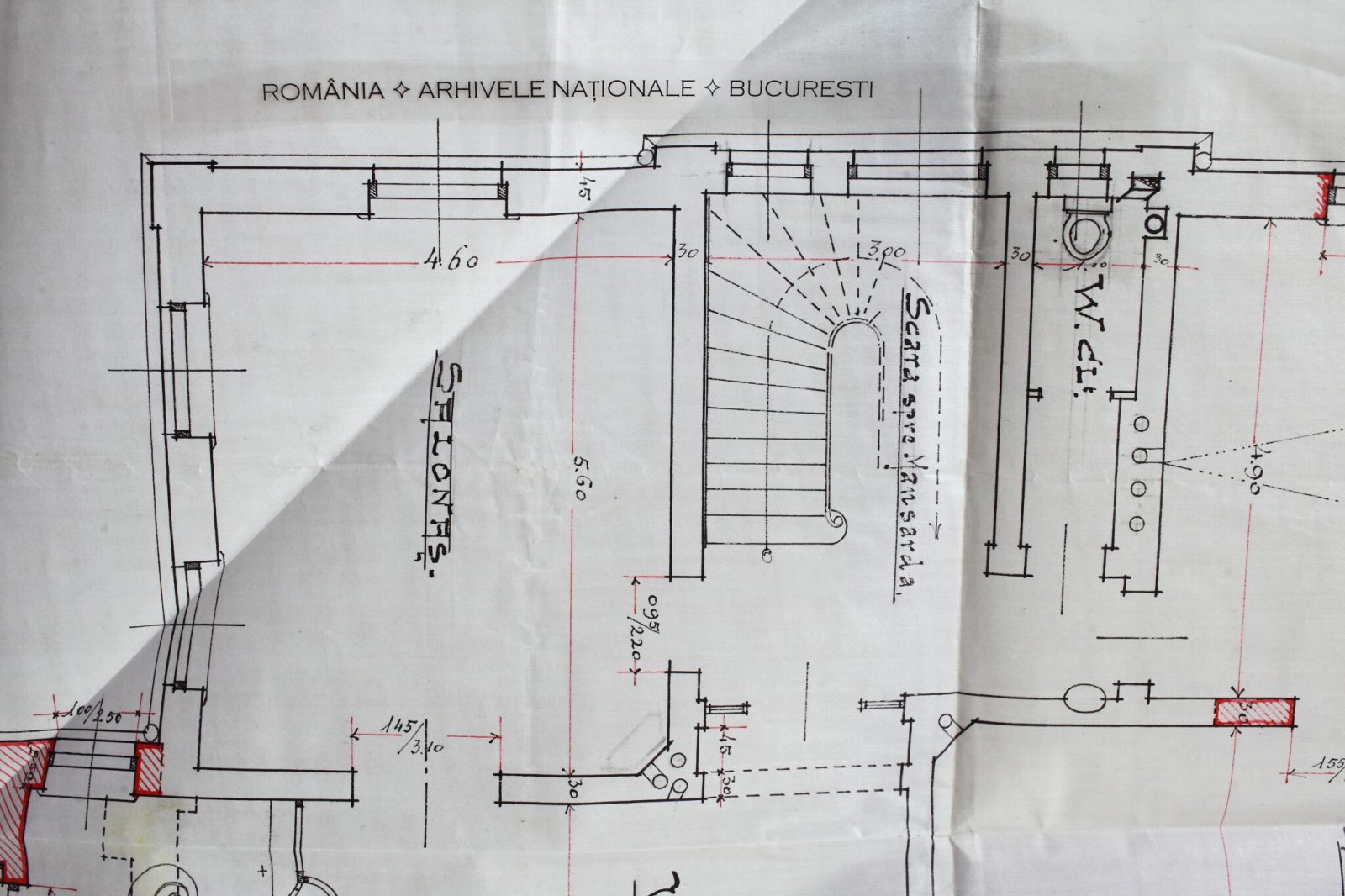
In 1881, as recorded in the Bucharest Municipal Archives, a building permit was requested for a house then located at number 75 on Strada Sfinților. The architect who drew up all the plans was Alexandru Săvulescu, who also designed what is now the National History Museum of Romania.
This sizeable building captivates with its columns, decorative details and style. Of undeniable beauty, it is the only one of its kind still standing in the area, a hallmark of a long-vanished era, which is why it is listed as a Class B historic monument. A detailed architectural study of the original plans reveals that the architect drew inspiration from the manor houses of the boyars, while also incorporating a number of classical elements. For this reason the house belongs to the eclectic style, like all the great architect’s works. It has a raised ground floor, clearly defined rooms, high ceilings and large windows, with a slightly austere, somewhat rigid architecture that is beautiful precisely because of these qualities. Its walls have witnessed all manner of soirées, parties attended only by the finest society of the Bucharest of those days, and love stories both sad and joyful.
The house was commissioned by the banker Ioan Pascu. It is difficult to discover who Ioan Pascu, the true founder and first resident of the house, really was. He was certainly a man of means, given that he could afford one of the most fashionable Romanian architects of the day, Alexandru Săvulescu, to draw up the plans and oversee the project through to completion. Ioan Pascu succeeded in engaging the renowned architect for his very first project in Romania, just a few months after he had been awarded a coveted medal at the Paris Architecture Exhibition.
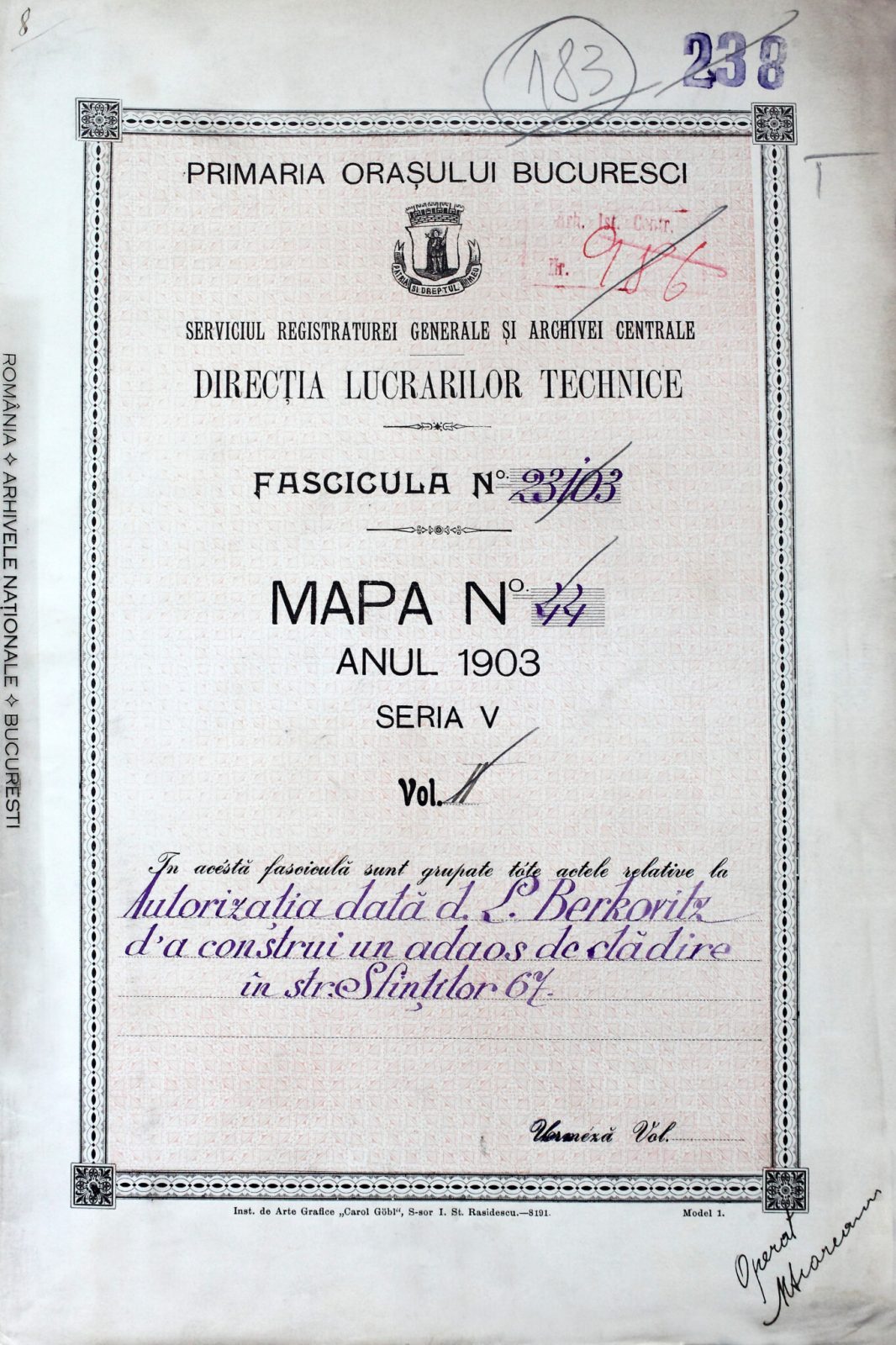
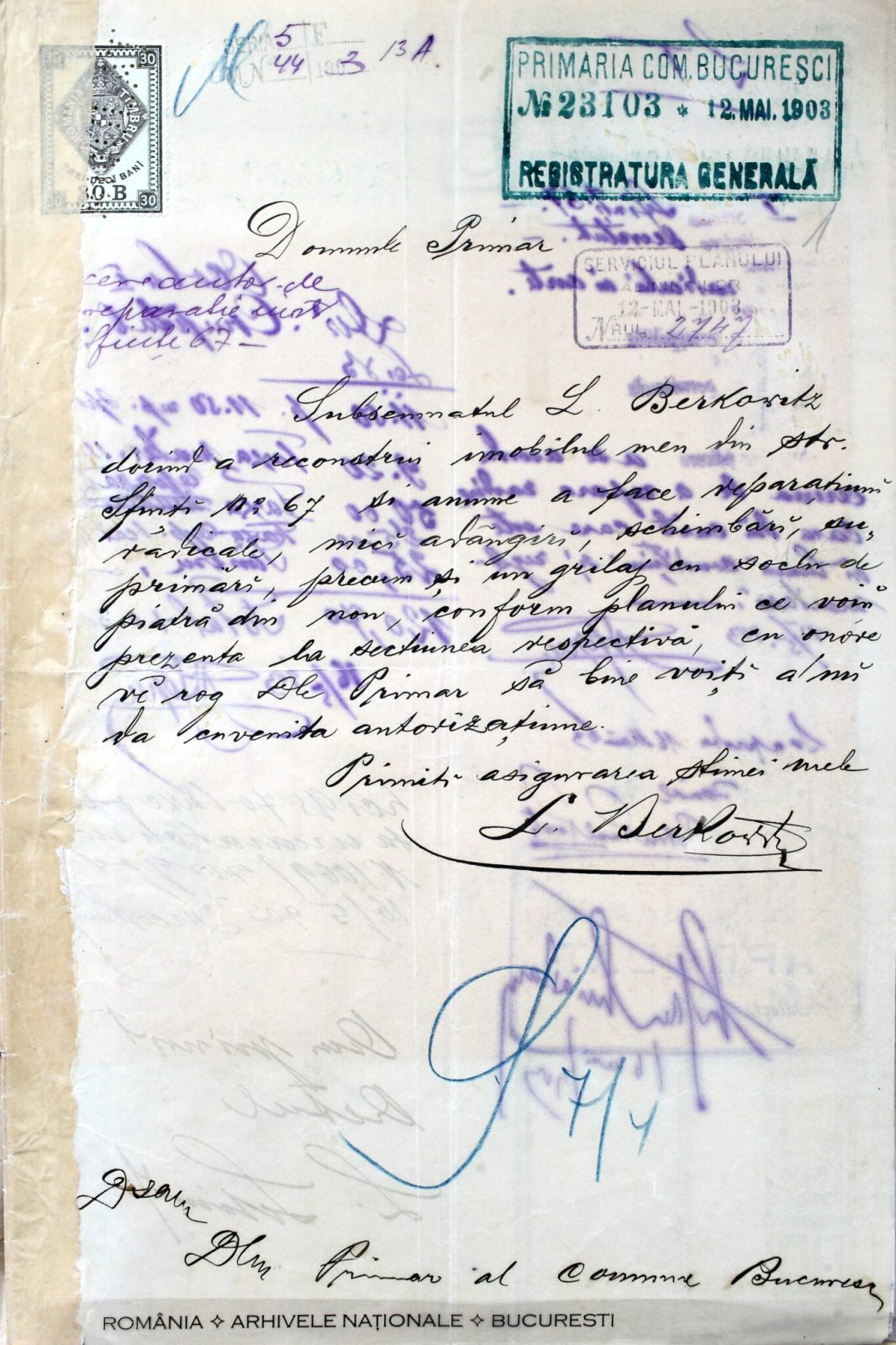
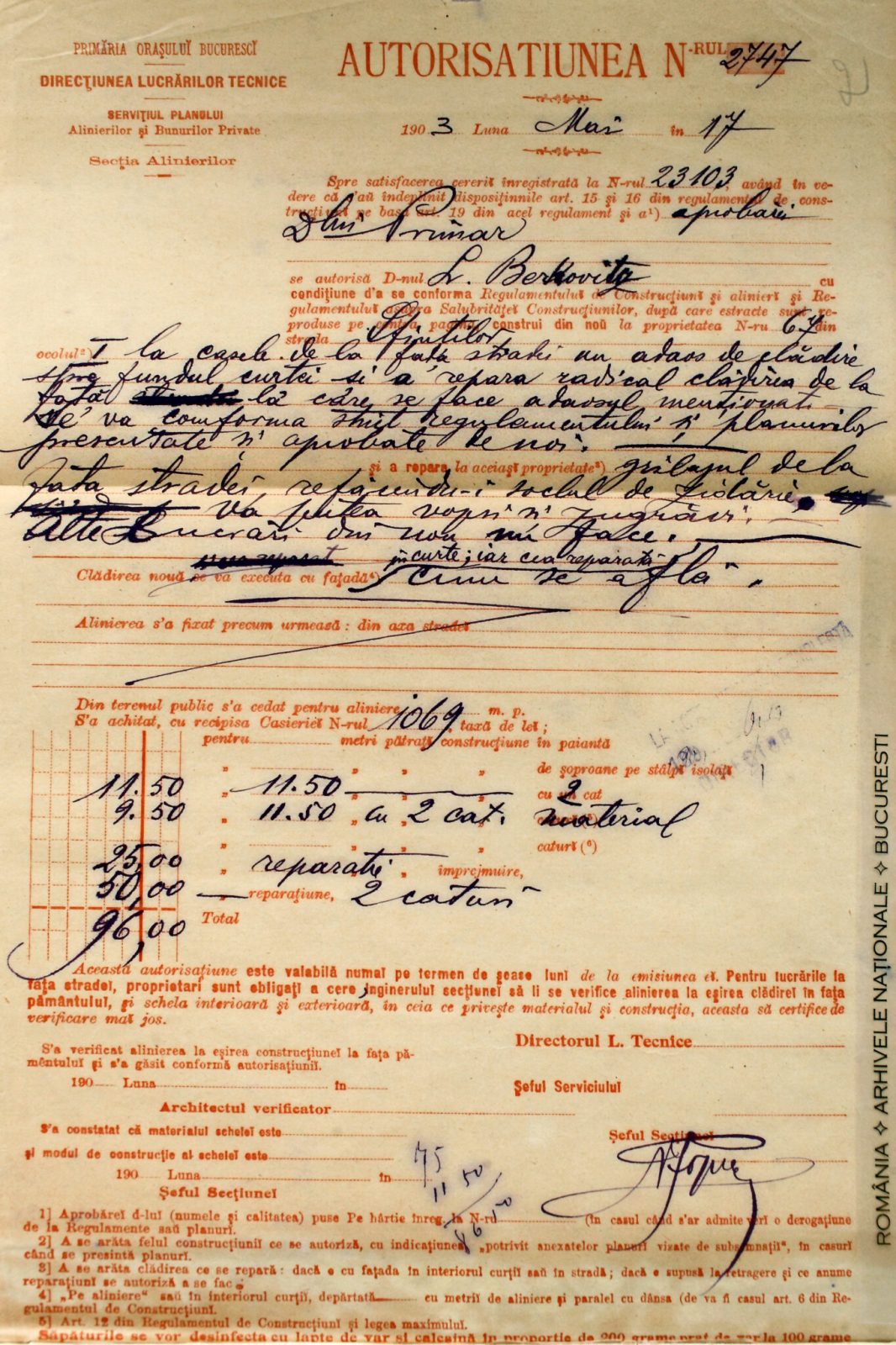
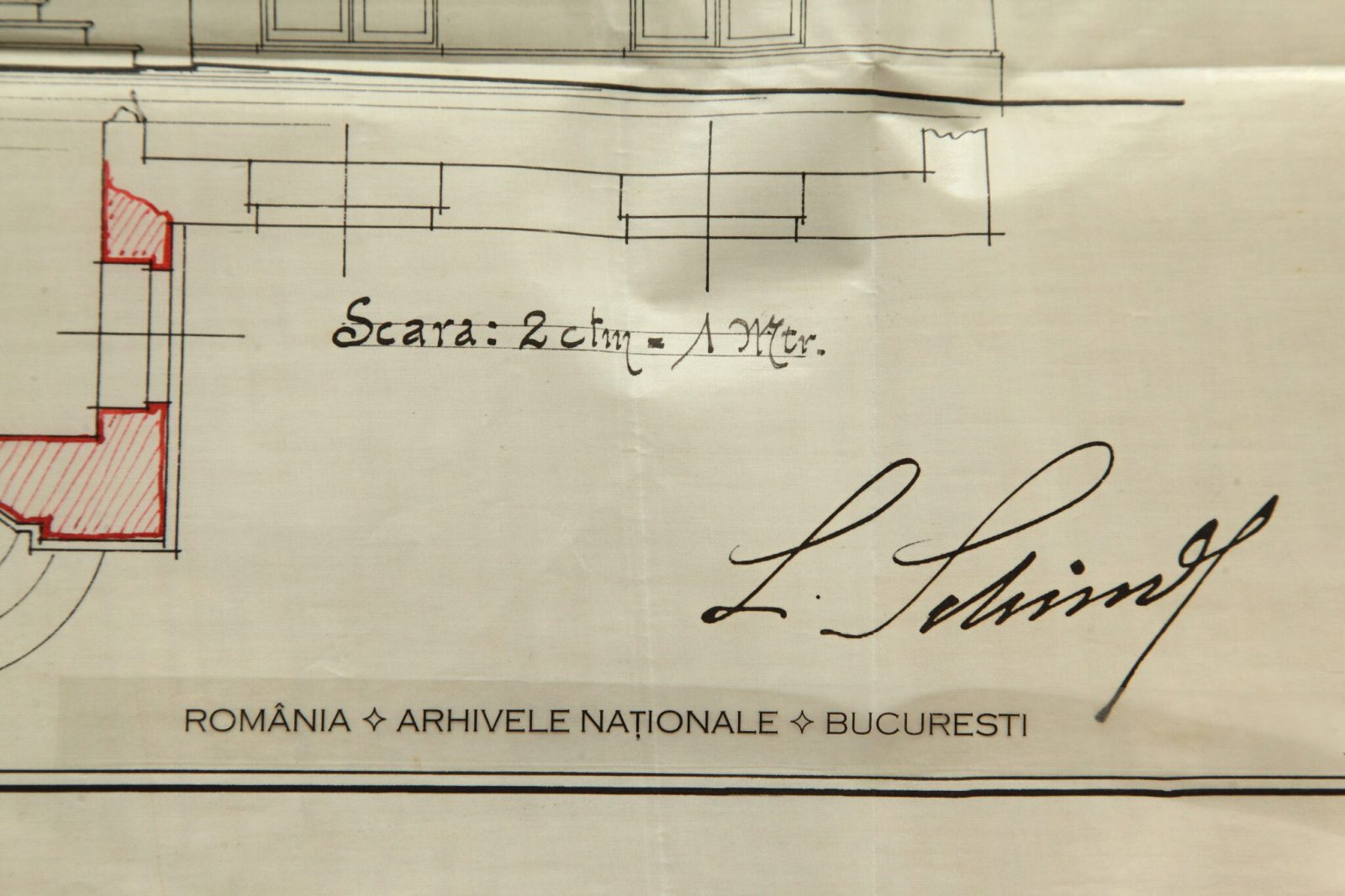
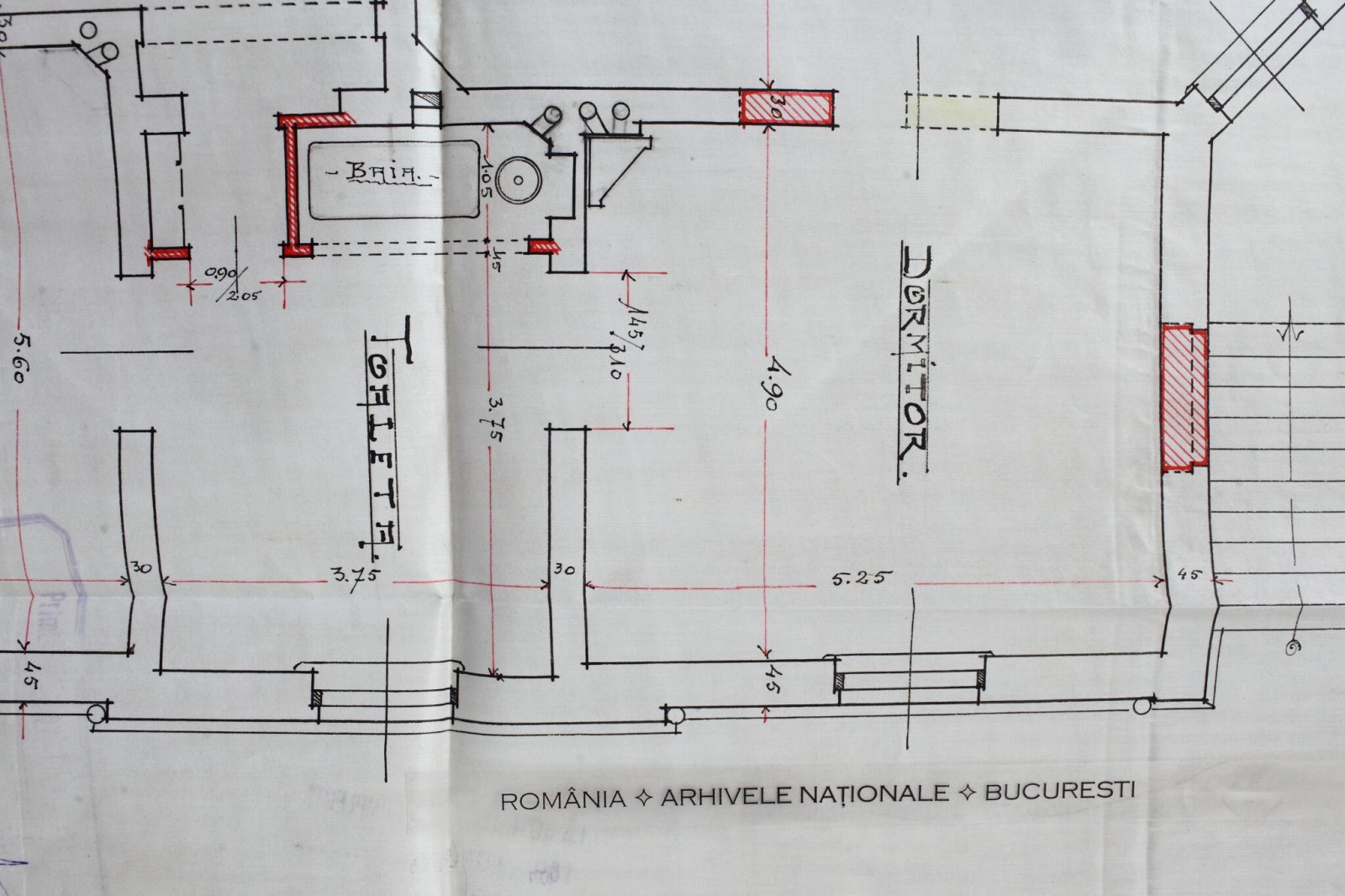
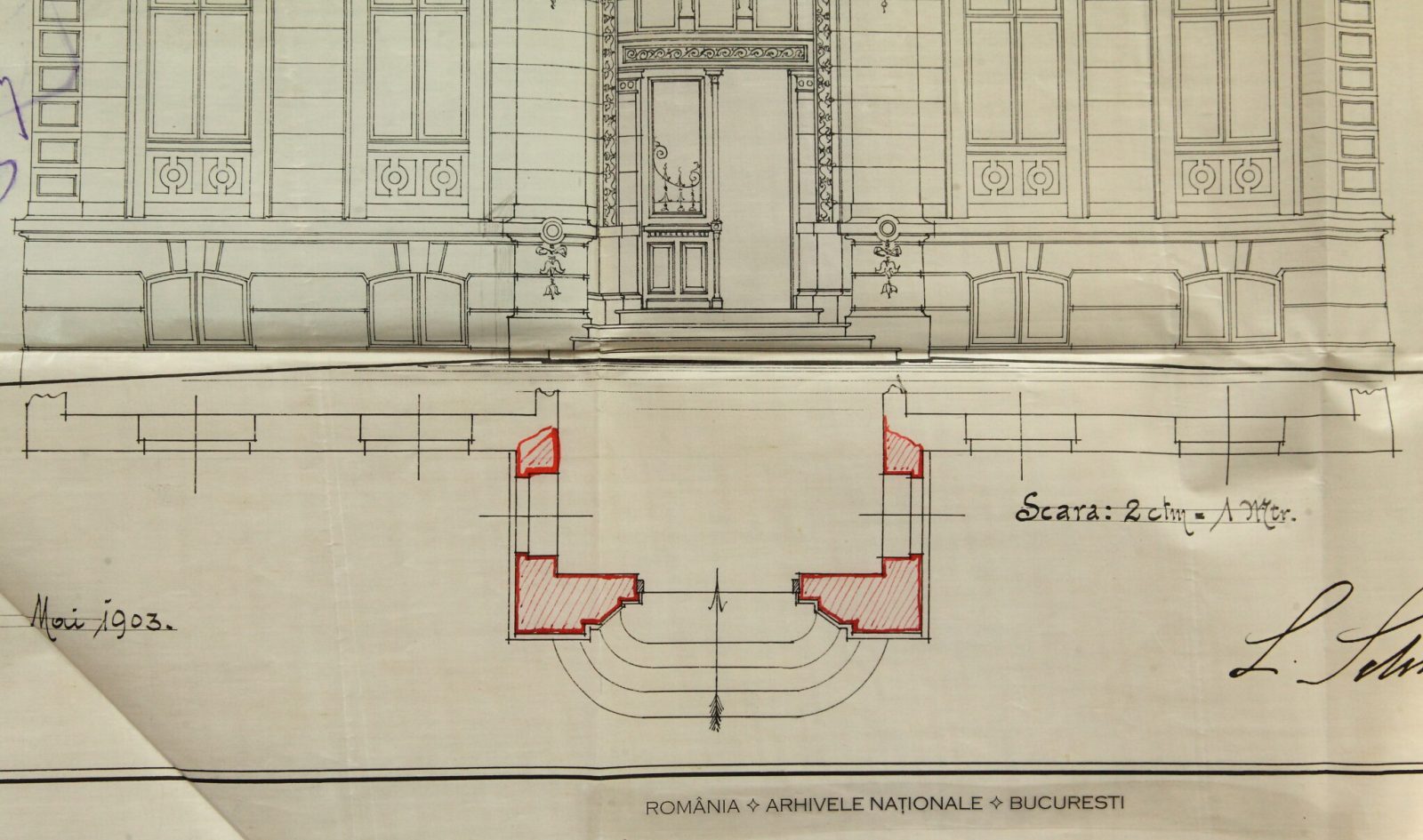
The year 1903 brought a series of changes to the elegant residence on Strada Sfinților. Many of the architectural features were replaced, the alterations being carried out by the contractor L. Schmidt for the building's new owner, Leonid Berkowitz. The new owner was a well-known figure in early twentieth-century Bucharest, the proprietor of the bank that bore his name in the Lipscani quarter. In architecture, the 1900s were defined by a style that favoured curved forms, sinuous lines and plant-inspired motifs, showing an Art Nouveau influence and a clear openness to the French culture of the time. L. Schmidt also reworked the structure of the house, completely redesigning its layout to suit the new owner's tastes.
Of undeniable elegance and beauty, and retaining the singular charm of a long-vanished age, the house passed into the ownership of the Romanian Communist Party and, from 1950 until 1988, was home to the Sector 2 Children's Club. Even so, it remained in good condition, its structure untouched by the passage of time.
But how did this property come to belong to Noblesse Group?
“I am, without doubt, among the most blessed of people, because after much hesitation and a great deal of searching I was given what I had so ardently wished for: a historic building with every quality I had set down on a list as long as a litany, a beauty hidden from the eyes of others beneath crumbling walls, cracks, mould and damp, doors and windows wrecked by those who had spitefully ransacked it, walls on the verge of collapse, crying out with their last breath for someone's help. That was more or less how the house looked when I first saw it – the house at no. 7 Strada Sfinților, a short distance from the centre of Bucharest, a European capital that once took pride in architectural masterpieces such as this,” recalls Loredana Preda, Co-Owner of Palatul Noblesse and General Manager of Noblesse Group.
The acquisition would prove a long process, full of incidents, twists and obstacles, for buying a house listed as a historic monument is anything but simple, from obtaining approvals from the Ministry of Culture and the City Hall to dealing with litigation and restitution claims. Once the house had been purchased, restoration and consolidation work began. Within a single year – record time for a historic monument of this kind – the building was brought back to life and its former charm restored. The stucco work and joinery were carefully restored. It was painstaking work, with every member of the Noblesse Group team and of the interior architecture studio Noblesse Projects actively involved in the renovation, but the result is truly worthy of the effort: the original atmosphere of the house has been recreated, with an added touch of charm lent by modernity.
Tell us more about your event and our team will be in touch shortly.
Request a Tailored Quote