Pages of a story — The history of Palatul Noblesse and the Berkowitz family on Strada Sfinților
The restored joinery of Palatul Noblesse
The interior joinery of Palatul Noblesse in Bucharest is an exceptional example of restoration, where the tradition of Romanian craftsmanship meets the refinement of historic architecture.
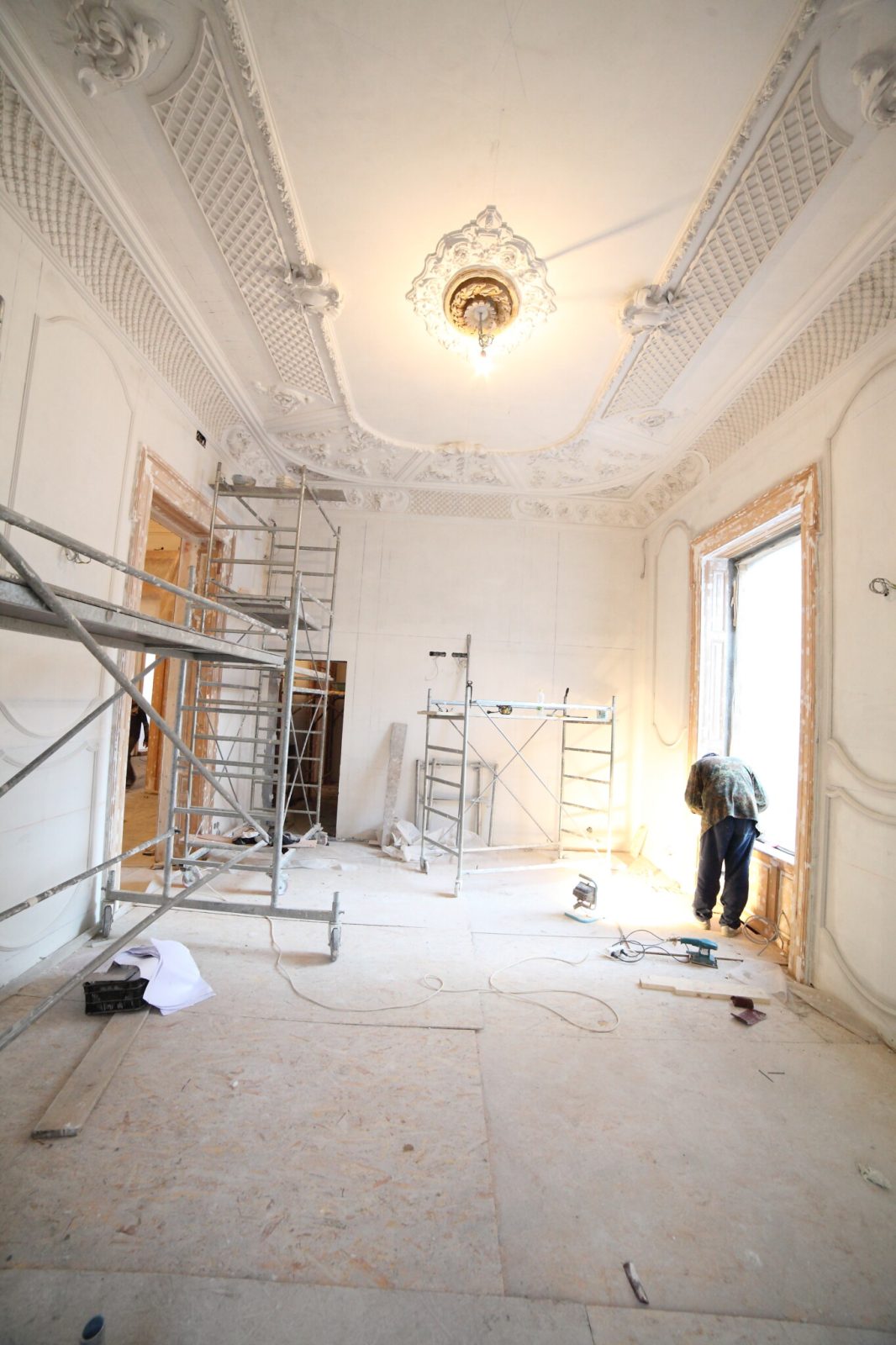
In the heart of Bucharest, where history pulses quietly through old walls and carved details, Palatul Noblesse has been spectacularly reborn. Built in 1881 to designs by the architect Alexandru Săvulescu, this historic monument was brought back to life by Loredana and Silviu Preda, founders of Noblesse Group. Yet beyond the eclectic architecture and flawless design lies a detail that catches the connoisseur's eye: the interior joinery, restored with rare passion.
“Every door holds the resonance of another century. We felt we had to give it back its voice.” – Loredana Preda
The original joinery – a lesson in artisanal nobility
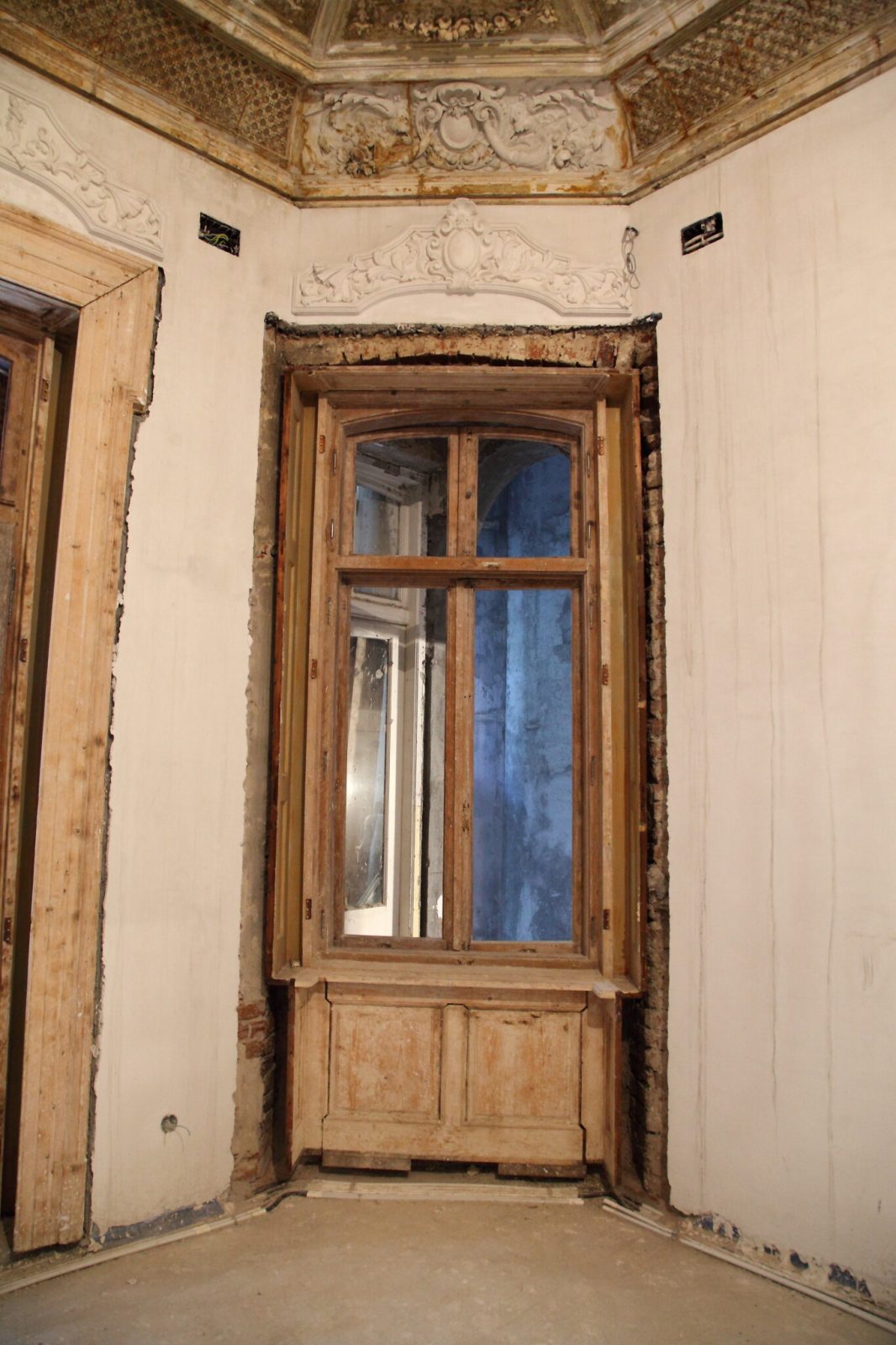
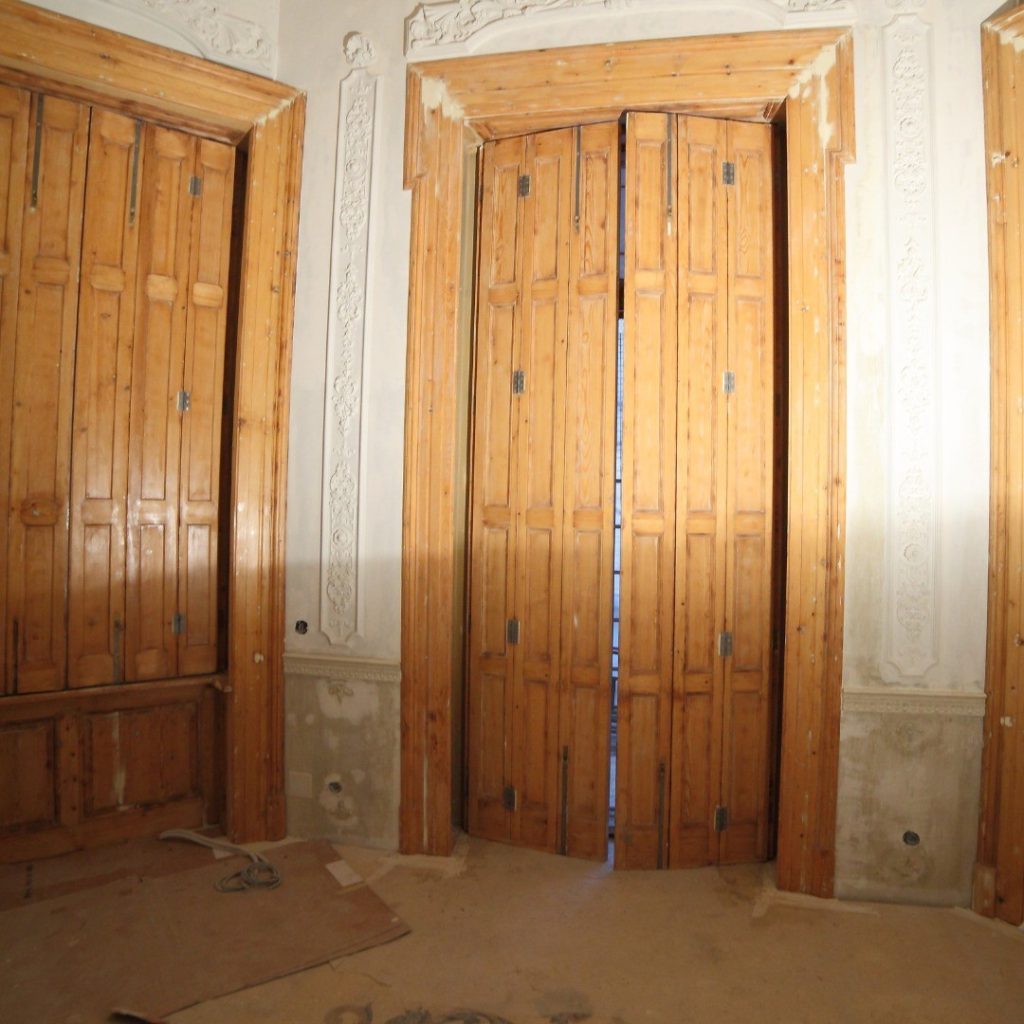
The joinery of Palatul Noblesse is not merely functional. It is an art form that has stood the test of time, a visual language of the refinement of a bygone era. Crafted from carefully selected fir, the original interior woodwork is distinguished by foliate ornament, geometric mouldings and an aesthetic that faithfully reflects the influences of the Belle Époque. Every door, every architrave and every window frame bears the marks of a craft practised with patience and passion, in pursuit of perfection.
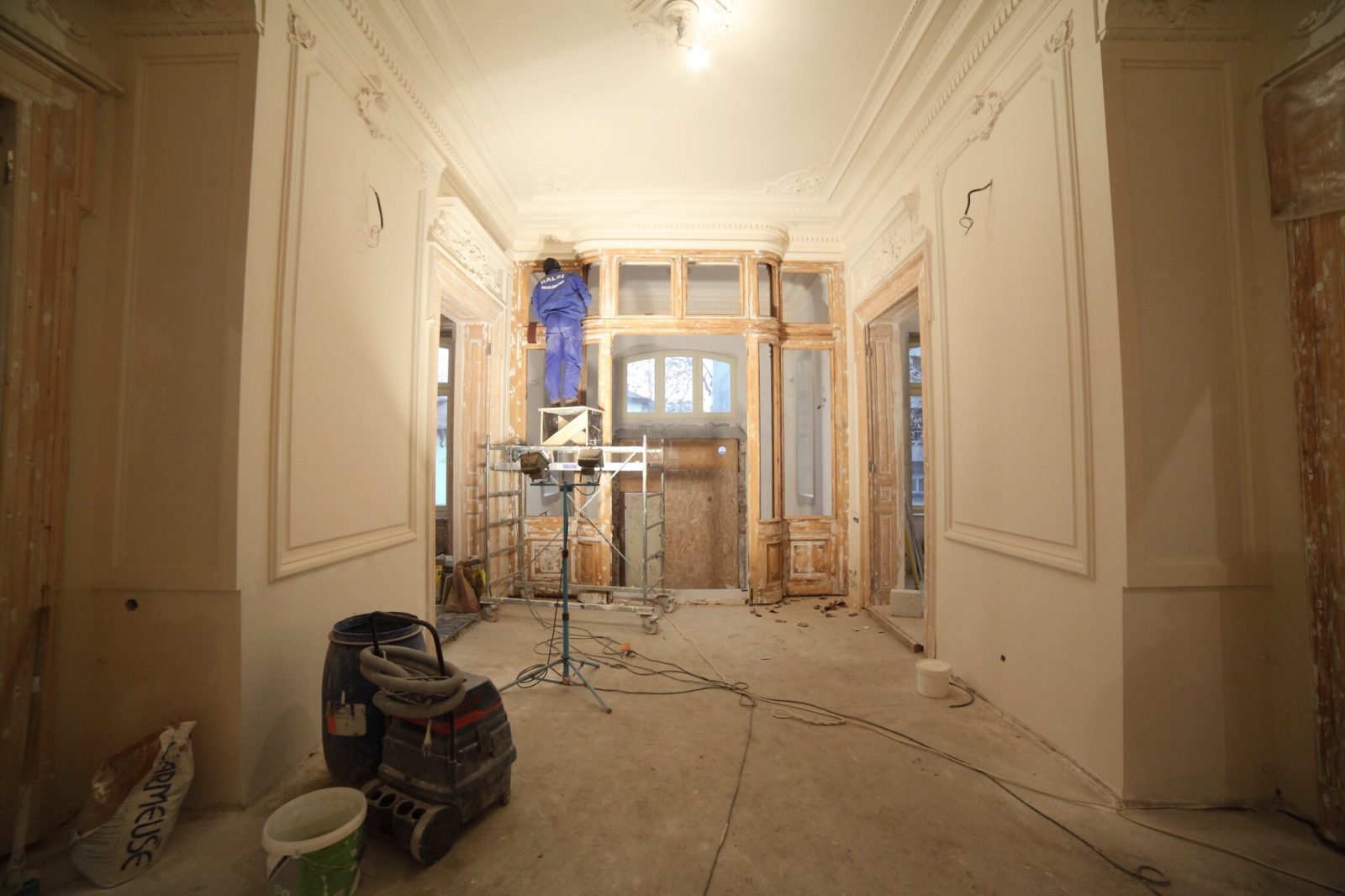
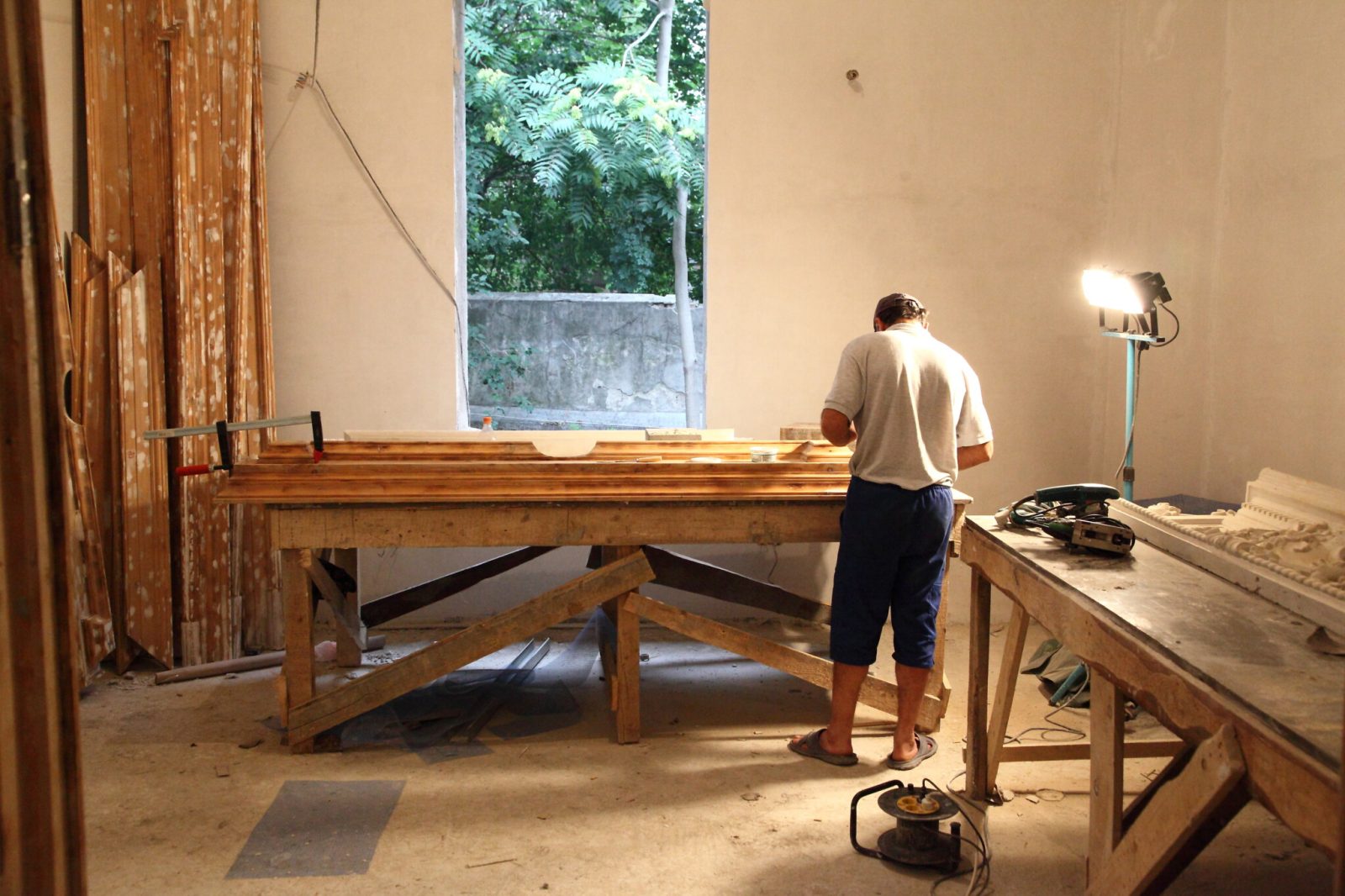
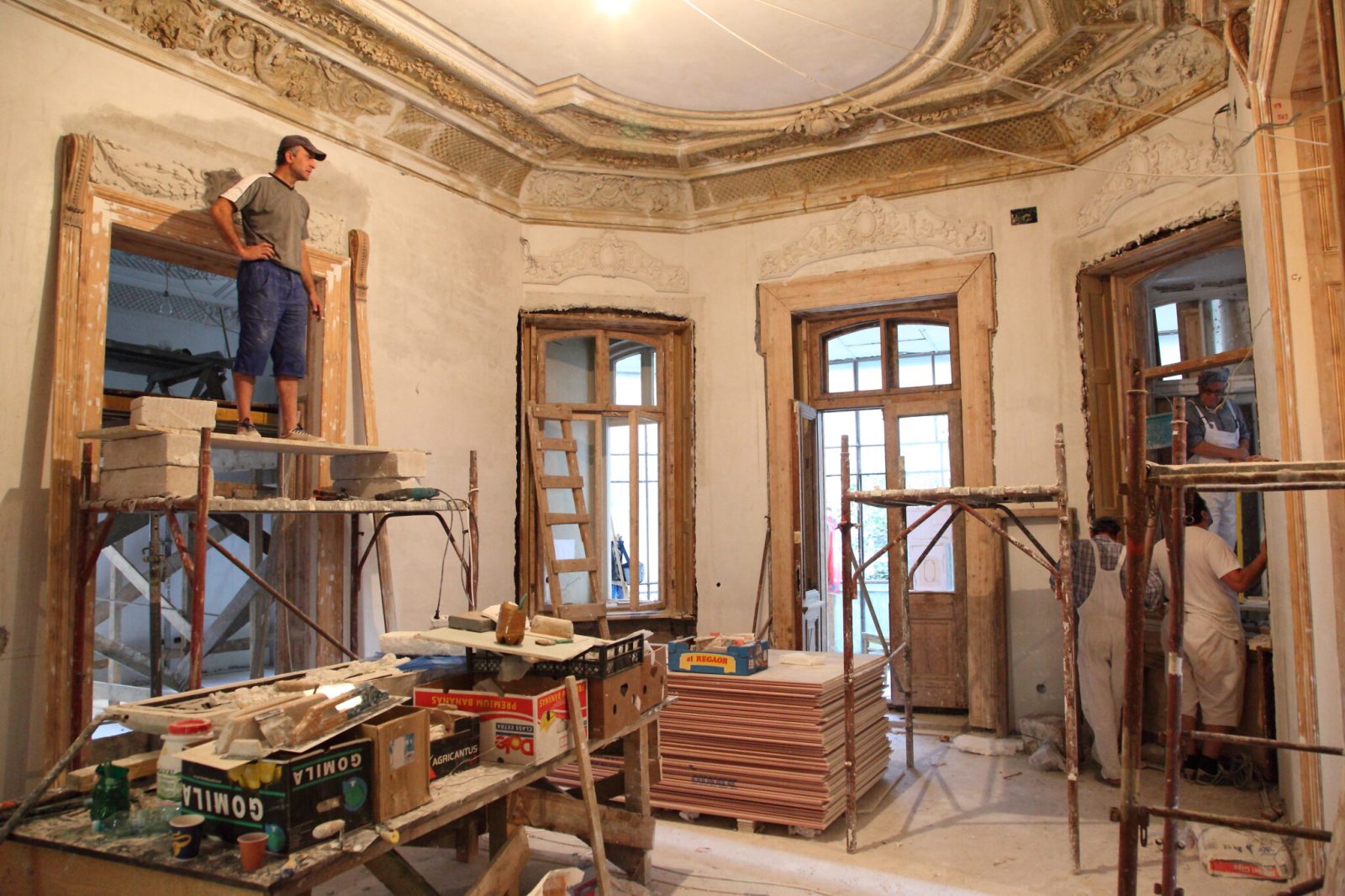
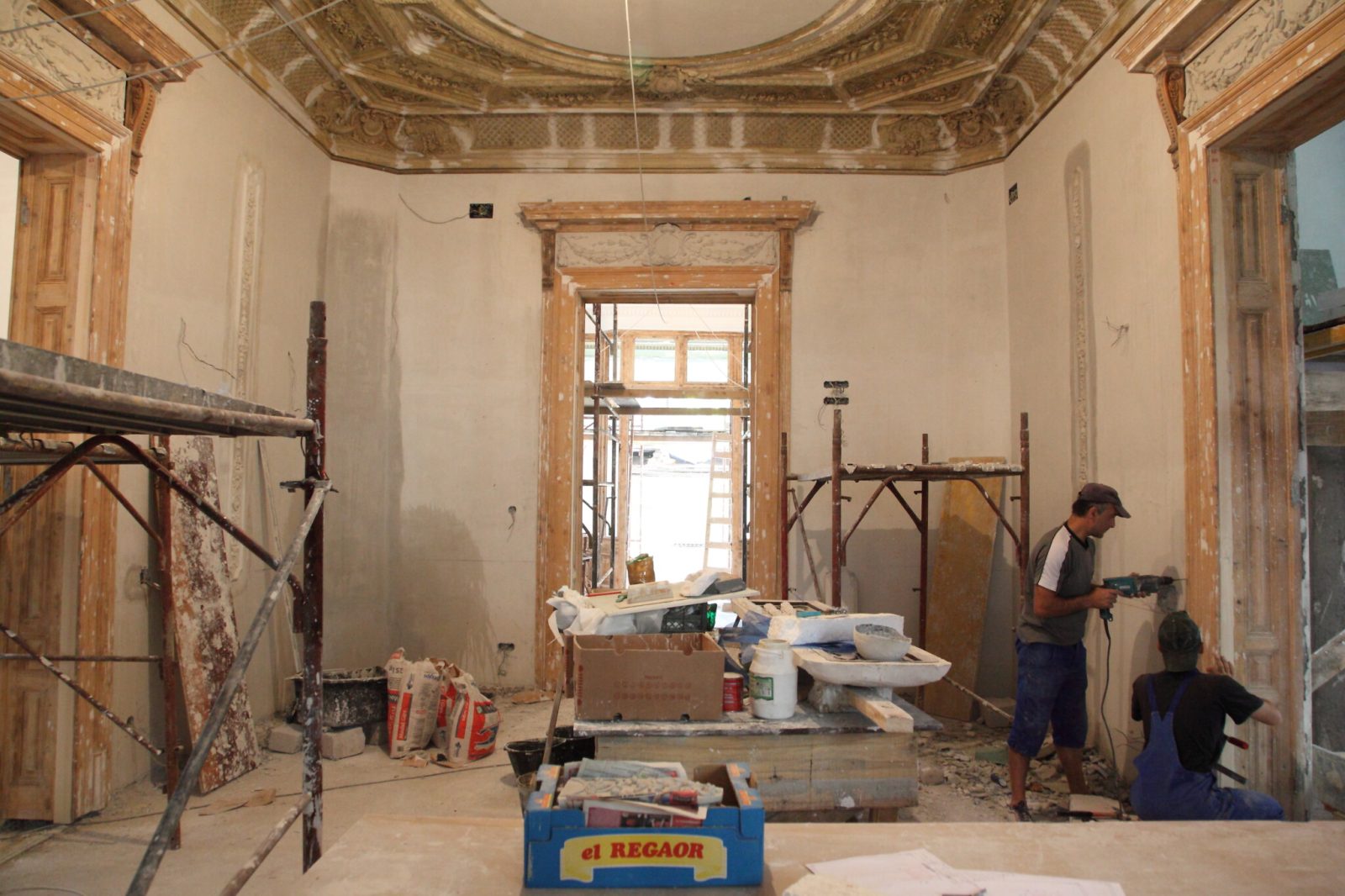
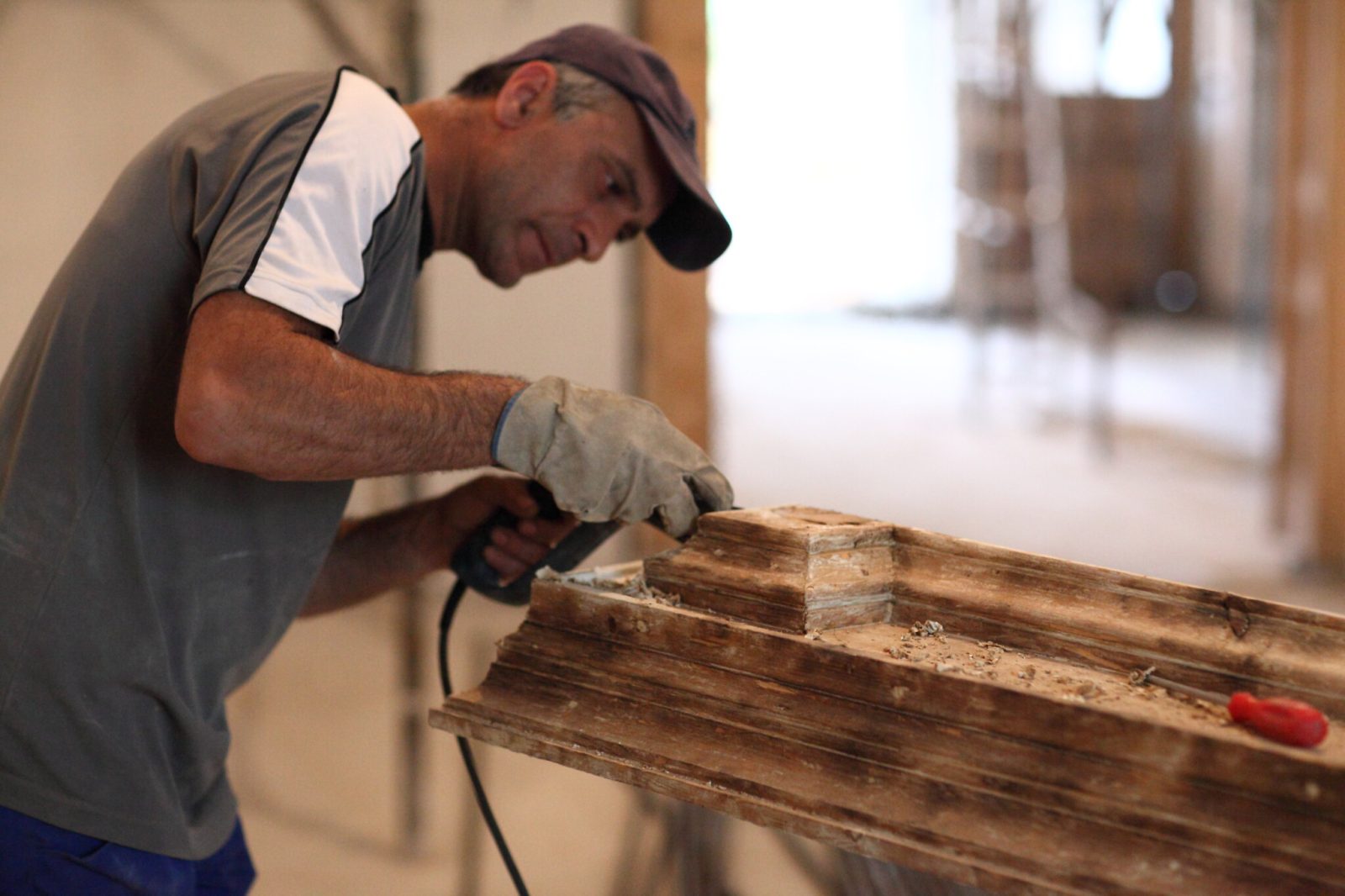
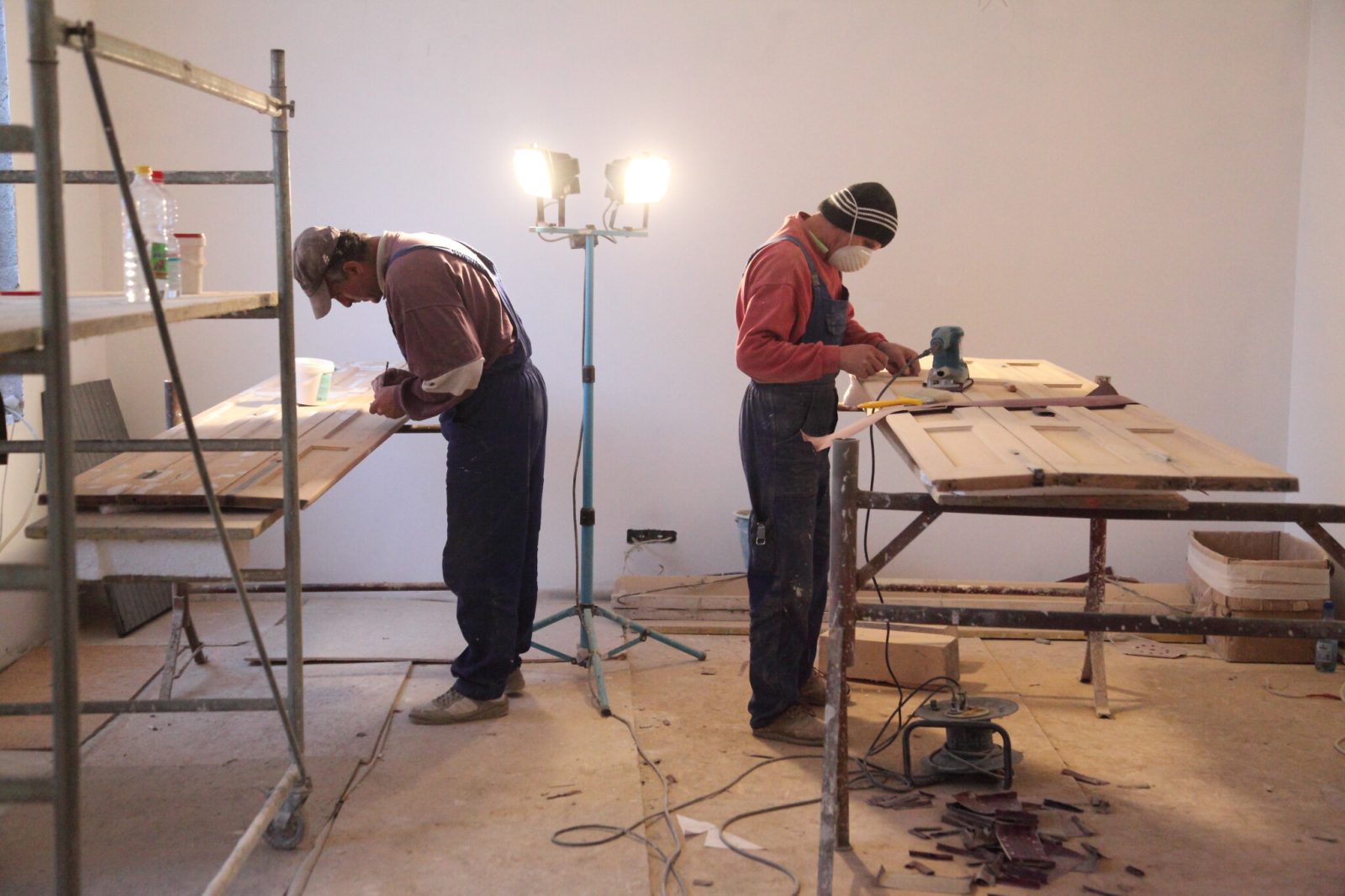
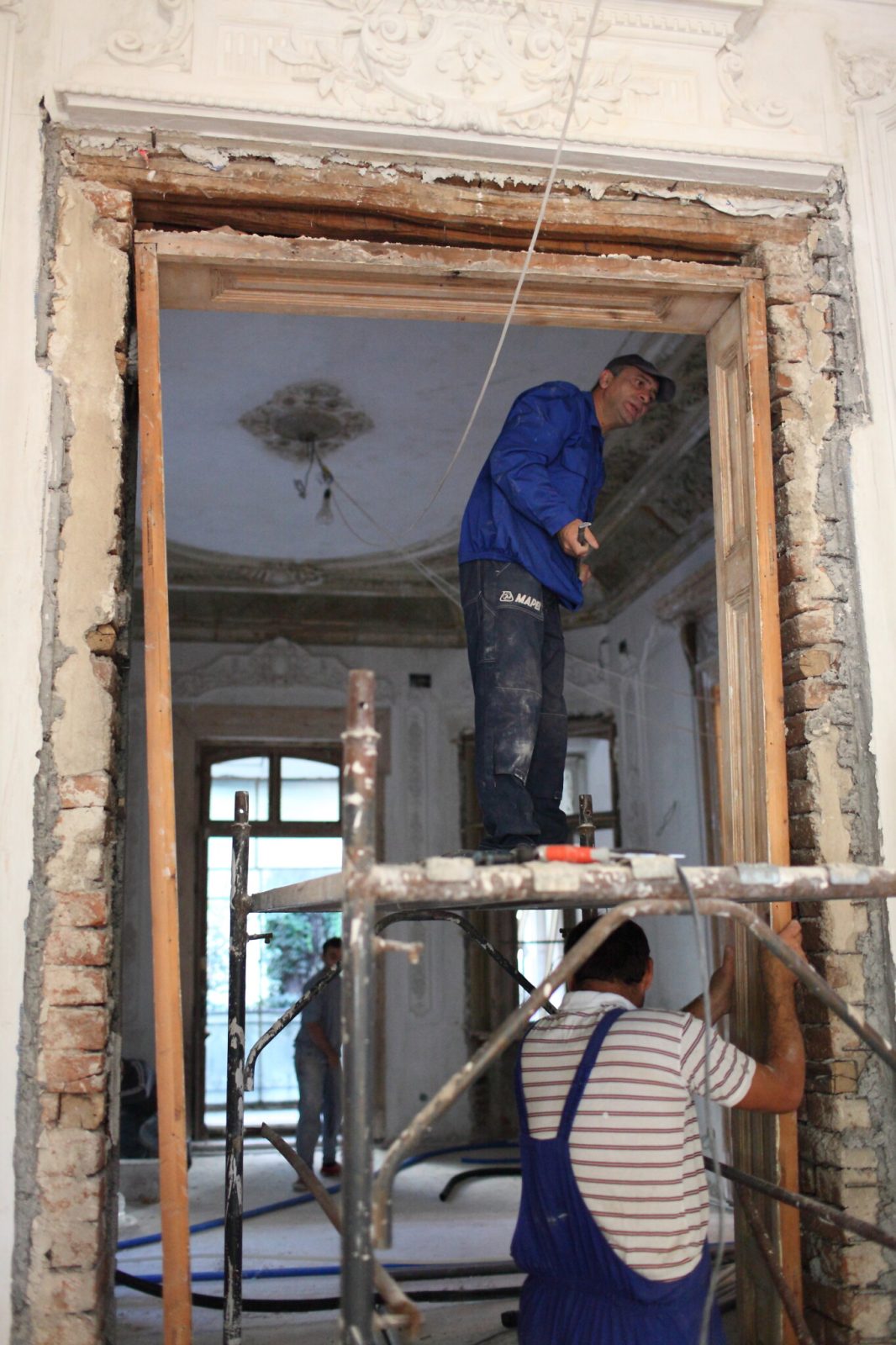
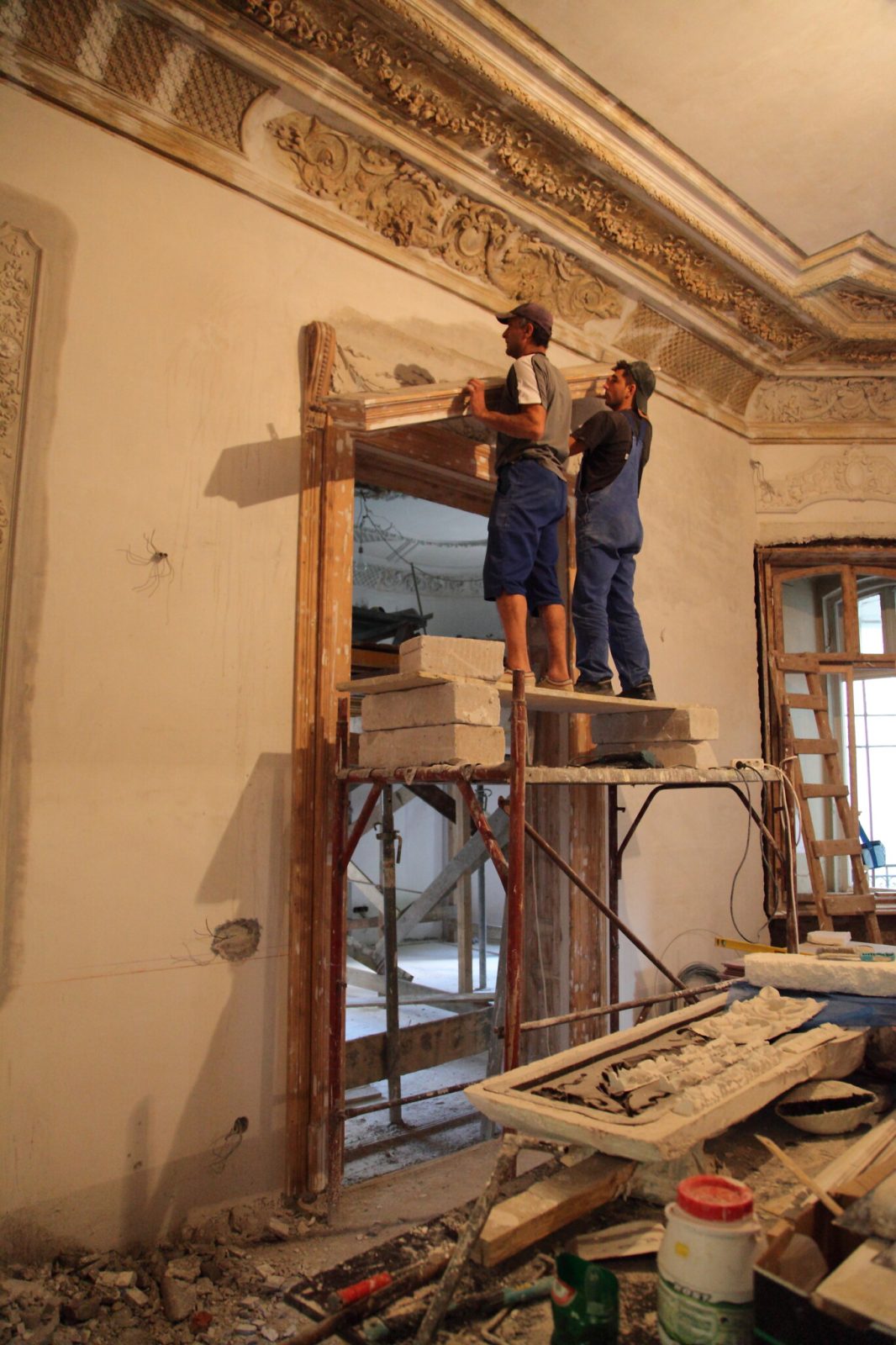
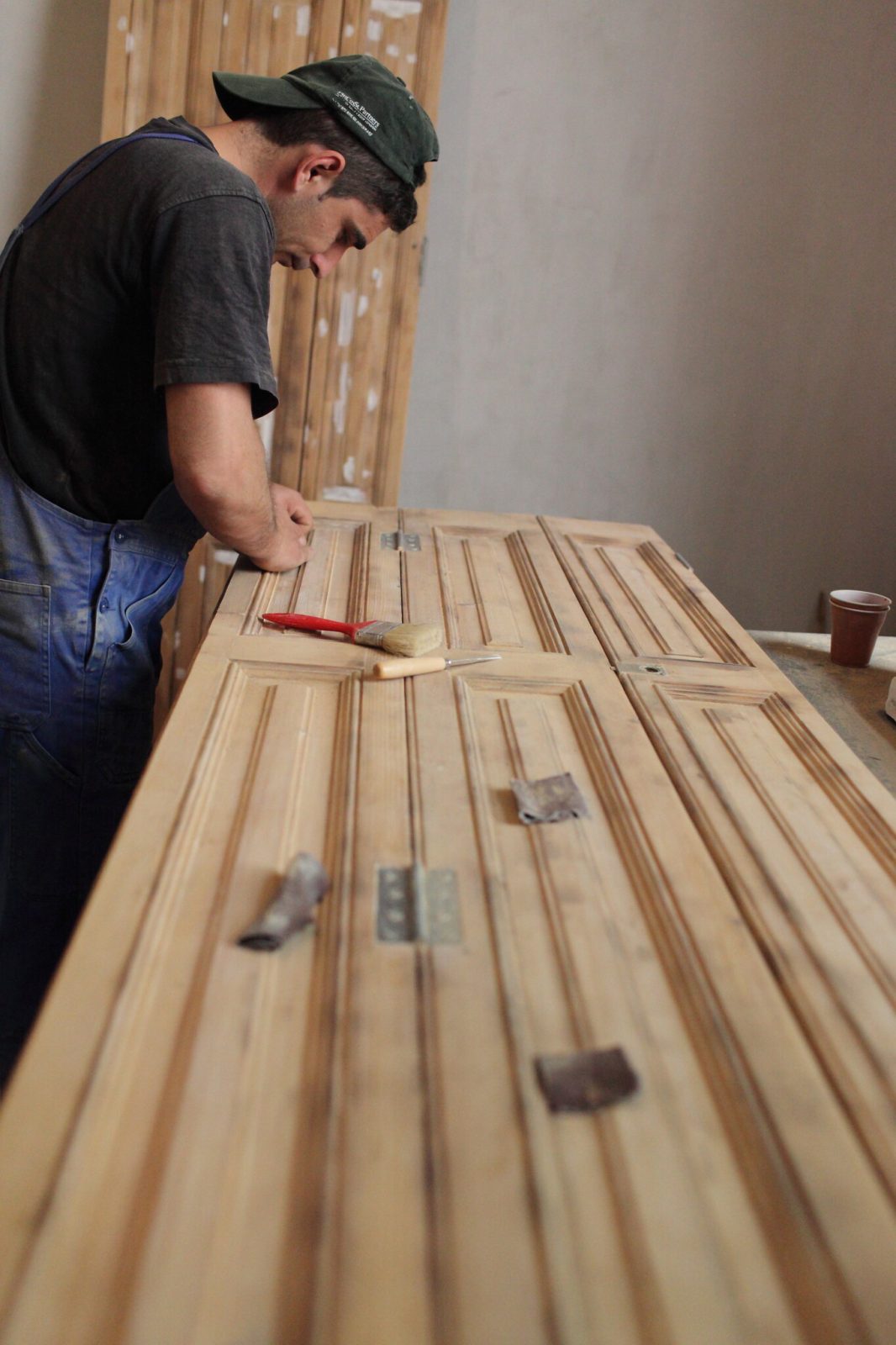
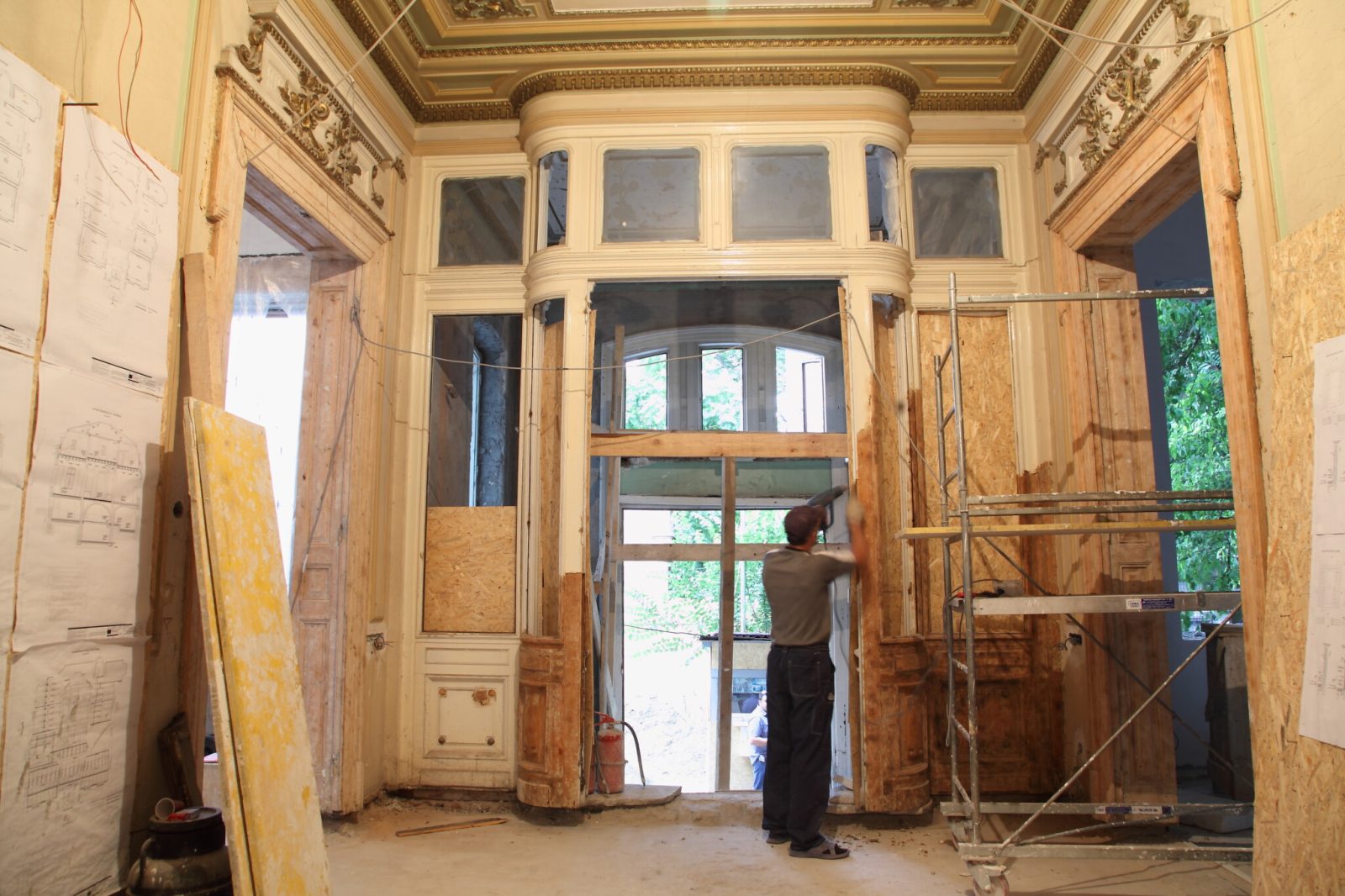
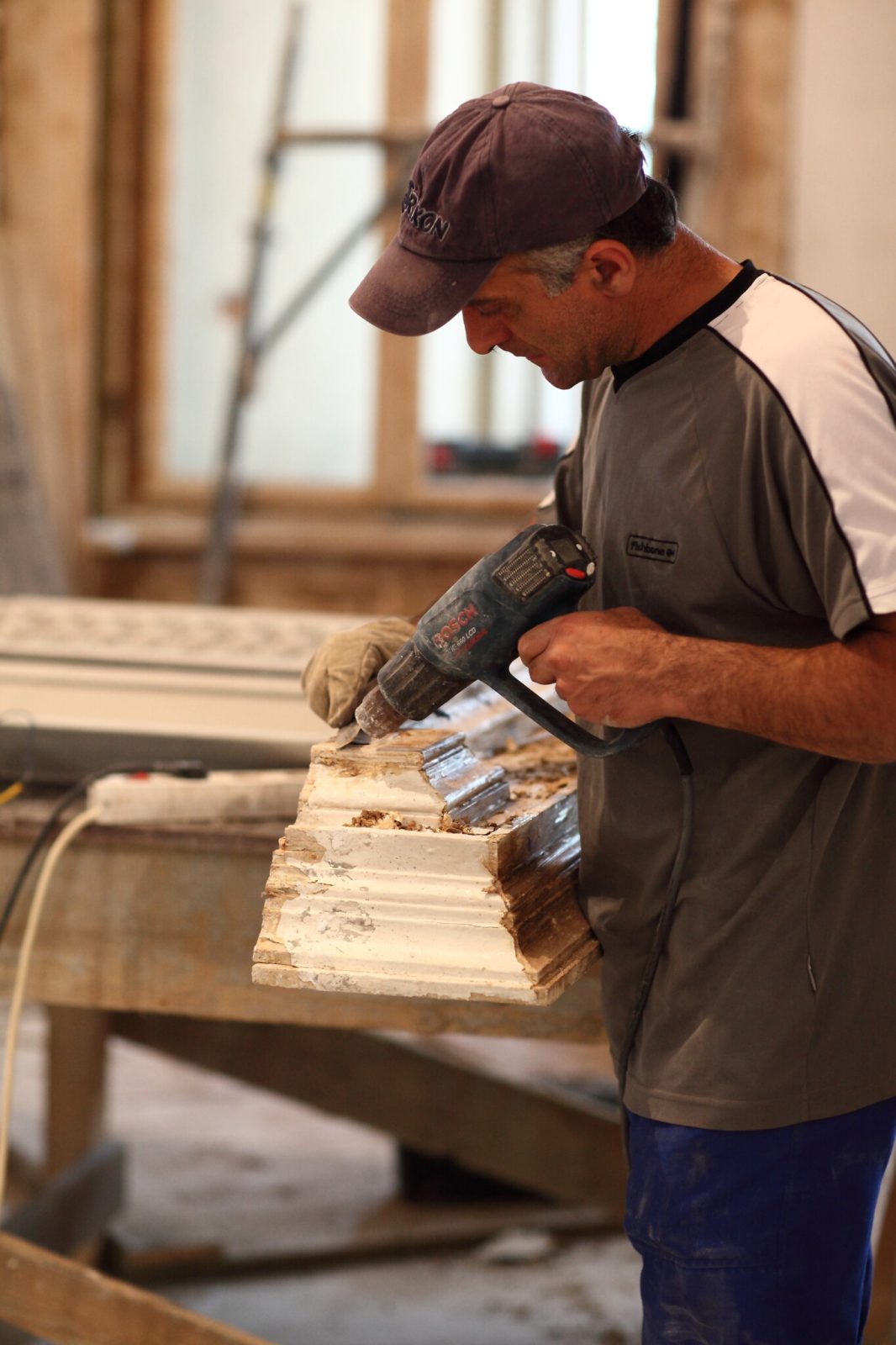
Throughout the restoration, the joinery was treated with almost reverential care. Every piece was dismantled, cleaned by hand, reconditioned in specialist workshops and refitted on site with millimetre precision. The artisans involved followed the original recipes and used natural materials – oils, wax, traditional glues – deliberately avoiding industrial solutions so as to restore to the wood that authentic, period character.
What is more, the restored joinery does not merely decorate the rooms – it defines them. The tall doors, with their classical proportions, become portals into elegant worlds where crystal chandeliers, antique mirrors and period furniture compose a perfectly balanced visual symphony. Through the warm, patinated wood with its subtle grain comes that rare emotion: the feeling that time has stood still, and that beauty has been preserved as a gift for the future.
Restored craftsmanship: balustrades, staircases and wrought iron
During the years the building stood abandoned, many original architectural features were lost or badly damaged. Among them was the wooden balustrade of the main staircase, destroyed beyond repair. As part of the restoration, the decision was made to faithfully reconstruct a new staircase on a solid steel structure, clad in fine marble. The balustrades, crafted from patinated wrought iron, were designed from archival models, with the aim of honouring the building's original style as closely as possible.
Details such as these, however discreet they may seem, play an essential role in shaping the visual identity of Palatul Noblesse, and the restored joinery becomes a true bridge between historic heritage and the aesthetic demands of the present.
The workshop in the palace courtyard – where wood is reborn
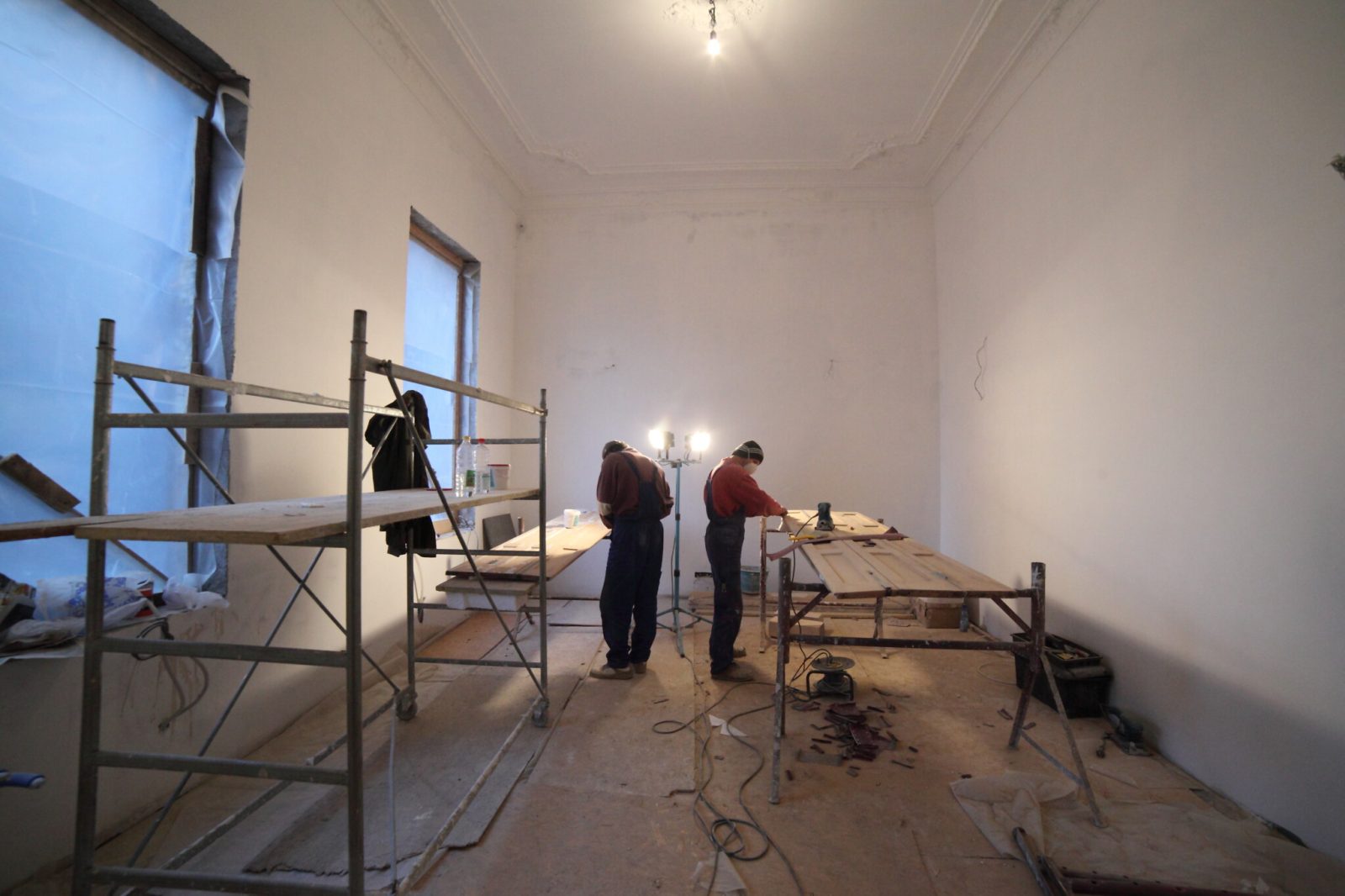
The restoration included setting up a joinery workshop right in the courtyard of Palatul Noblesse. Here, the doors, frames and ornamental details were treated as heritage pieces: cleaned by hand, completed with elements cast from original moulds and protected with natural finishes. All of this was carried out under the careful guidance of the Noblesse Group team of architects.
Modern functionality, period spirit
Although restored with respect for the original style, the joinery of Palatul Noblesse has been adapted to modern requirements. The elements have been reconditioned to provide thermal and acoustic insulation, to allow the discreet integration of modern security systems and to ensure easy movement between spaces. Classic elegance blends harmoniously with contemporary functionality, making the palace a vibrant, sophisticated space perfectly attuned to today's needs.
Palatul Noblesse – a model of restoration and inspiration
Palatul Noblesse is not merely a painstakingly restored building, but an emblematic example of reconnecting past and present, in which every architectural detail takes on meaning. Joinery in particular becomes a defining element of this endeavour, not only for its aesthetic value but also for the symbolic power it carries. Crafted and restored with rigour and respect for authenticity, the Palace's joinery is a clear visual expression of the cultural identity of an era.
The tall doors, ornamental frames, surrounds and carved wooden finishes are more than mere architectural components – they are bearers of memory. Through every reconditioned element, through every trace of the original patina, a whole story of style, status, refinement and craftsmanship is evoked. In this way, the joinery becomes a discreet yet essential player in bringing out the value of a historic space and reaffirming its identity in a contemporary context.
Ultimately, every restored piece is a bridge between generations, an invitation to a dialogue between Bucharest's urban past and its creative present. Palatul Noblesse reminds us that, beyond walls and structures, the true nobility of a restored building lies in its ability to tell stories – and the joinery, with all its quiet nobility, becomes a subtle narrator of history.